


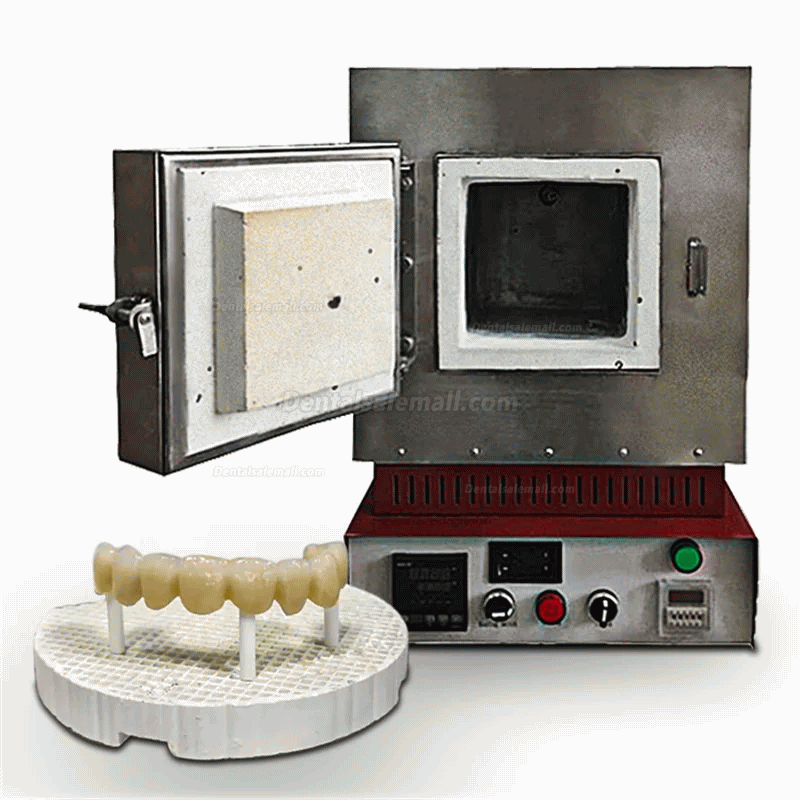
In the digital dentistry landscape, zirconia and lithium disilicate stand as the two most dominant restorative materials. Each offers impressive strength, esthetics, and predictable clinical outcomes — but choosing the right one is not always straightforward. Material selection influences everything: longevity, tooth preparation, bonding strategy, esthetic harmony, and even patient satisfaction.
While both materials are leaders in modern CAD/CAM dentistry, they behave very differently. Zirconia is known for its exceptional strength and durability, while lithium disilicate is celebrated for its optical life-like beauty and translucency. At VCAD Dental Outsourcing Lab, technicians evaluate anatomy, functional load, prep design, and esthetic goals before selecting the ideal material for each case.
This guide provides clinicians with a detailed and practical comparison to help you choose confidently between zirconia and lithium disilicate.
1. Understanding Zirconia – Strength Through Toughness
Zirconia has evolved from a “strong but opaque” material into a high-performance, esthetically capable ceramic. Modern formulations—3Y, 4Y, and 5Y—offer different balances between translucency and flexural strength.
1.1 Key strengths of zirconia
- High flexural strength (800–1200 MPa+)
Ideal for high-load areas, posterior crowns, and bridges. - Resistance to chipping
Due to transformation toughening, zirconia is incredibly fracture-resistant. - Biocompatibility
Polished zirconia is gentle on soft tissue and enamel. - Excellent longevity
Well-designed zirconia can last 15–20 years.
1.2 Modern zirconia types
3Y-TZP (High-strength zirconia)
- Strongest
- Less translucent
- Best for bridges and heavy occlusion
4Y (Hybrid translucent zirconia)
- Balanced strength + esthetics
- Good for posterior crowns with visible display
5Y/6Y (High-translucency zirconia)
- Best esthetics in zirconia family
- Suitable for anterior crowns & veneers with light load
1.3 Limitations of zirconia
- Can appear slightly “flat” if high translucency isn’t used
- Requires careful sintering to avoid distortion
- Cannot achieve the same depth-of-color effect as lithium disilicate
1.4 Best indications for zirconia
- Posterior crowns
- Long-span bridges
- Patients with bruxism
- Implant crowns
- Full-arch restorations
- Thin-prep restorations with limited space
- Cases where strength is the priority
2. Understanding Lithium Disilicate – Beauty Through Light Interaction
Lithium disilicate (such as IPS e.max) is known as the gold standard for esthetic anterior restorations. With flexural strength around 400–500 MPa, it is strong enough for single units while providing unmatched optical quality.
2.1 Key strengths of lithium disilicate
- Superior esthetics
Natural translucency, opalescence, and enamel-like light refraction. - Thin preparation capabilities
Can be as thin as 0.3–0.6 mm in veneers. - Excellent integration with natural dentition
Blends seamlessly with adjacent teeth. - Reliable bonding
Etchable glass-ceramic ensures strong adhesion.
2.2 Why dentists love lithium disilicate
- True-to-life appearance
- Easy to polish
- Conservative preparations
- Long clinical success (15+ years documented)
2.3 Limitations of lithium disilicate
- Lower flexural strength than zirconia
- Not ideal for long bridges
- Requires absolute bonding discipline
- More susceptible to chipping under heavy bite force
2.4 Best indications for lithium disilicate
- Anterior crowns
- Veneers
- Inlays & onlays
- Single premolar crowns
- Cosmetic smile makeovers
- Cases requiring maximum translucency
- Thin-prep restorations
3. Clinical Comparison: Zirconia vs Lithium Disilicate
3.1 Strength & Function
| Feature | Zirconia | Lithium Disilicate |
| Flexural Strength | 800–1200 MPa | 400–500 MPa |
| Brittleness | Low | Moderate |
| Bruxism | Excellent | Not recommended |
| Bridges | Ideal | Only short-span (2 units) |
Clinical takeaway:
For high-load posterior and implant cases → zirconia wins.
3.2 Esthetics & Translucency
Lithium disilicate provides:
- superior incisal translucency
- lifelike opalescence
- internal depth similar to natural enamel
High-translucency zirconia (5Y) can come close but still lacks the multi-layered light scattering of glass ceramics.
Clinical takeaway:
If esthetics is the top priority → lithium disilicate wins.
3.3 Preparation Requirements
Zirconia:
- 0.6–1.0 mm reduction
- Ideal for minimal prep
- Round line angles preferred
Lithium Disilicate:
- 1.0–1.5 mm reduction
- Requires clearance for translucency
- Demands optimal prep for bond strength
Clinical takeaway:
For conservative dentistry → zirconia is more forgiving.
3.4 Cementation Protocol
Zirconia:
- Cement or bond
- Requires MDP (10-MDP primer)
- Not etchable
Lithium Disilicate:
- Must be bonded
- Etch with hydrofluoric acid
- Silane application mandatory
Clinical takeaway:
If bonding protocol is a concern or isolation is difficult → zirconia offers more flexibility.
4. How VCAD Chooses the Right Material for Each Case
VCAD does not simply rely on the clinician’s Rx form. Each case is evaluated for:
- prep geometry
- occlusal scheme
- esthetic zone visibility
- remaining enamel thickness
- stump shade
- functional bite behavior
- patient-specific risk factors (bruxism, age, habits)
4.1 VCAD’s Material Selection Algorithm
Each case is processed through a decision matrix:
- Strength requirement assessment
- Esthetic visibility scoring
- Functional load analysis
- Minimum thickness prediction
- Bonding feasibility
- Patient’s lifestyle + occlusion habits
This ensures predictable, evidence-based selection — not convenience-based selection.
4.2 When VCAD recommends zirconia
- posterior crowns under strong occlusal forces
- implant restorations where screw access affects ceramic strength
- full-arch zirconia cases
- bruxism patients
- thin-prep restorative space
4.3 When VCAD recommends lithium disilicate
- anterior smile zone
- veneer cases
- cosmetic enhancement
- inlays/onlays needing natural translucency
- minimal occlusal pressure regions
4.4 Shade & stump shade considerations
Lithium disilicate is more influenced by underlying stump color.
Zirconia (especially ML zirconia) masks stump shade far better.
5. Material Behavior in CAD/CAM Production
5.1 Zirconia in CAD/CAM
VCAD applies:
- controlled sintering schedule for shrinkage
- high-resolution 5-axis milling
- custom cement space profiles
- internal surface smoothing
Result: tight, precise, incredibly durable restorations.
5.2 Lithium Disilicate in CAD/CAM
VCAD ensures:
- precise crystallization cycles
- translucency-matched layering
- cervical chroma enhancement
- occlusal detail preservation
- bonding optimization prep
Lithium disilicate requires greater artistic skill, and VCAD invests in specialized technicians for anterior esthetic cases.
Choosing between zirconia and lithium disilicate is no longer about “strength vs beauty.”
Modern material science has blurred the lines — yet each material still excels in specific clinical conditions.
Zirconia provides unmatched strength and structural reliability, making it ideal for posterior, implant, and full-arch cases.
Lithium disilicate delivers stunning esthetics and seamless integration, making it the best choice for anterior and cosmetic cases.
At VCAD Dental Outsourcing Lab, material selection is treated as a scientific decision — one that blends digital precision, clinical logic, AI-driven evaluation, and technician expertise.
The result: restorations that look natural, function predictably, and last long-term.
Choosing the right material begins with understanding how each behaves.
Ensuring the right outcome begins with choosing the right partner — one who knows how to bring that material to life.