


PFM ON IMPLANT

PFM ON IMPLANT

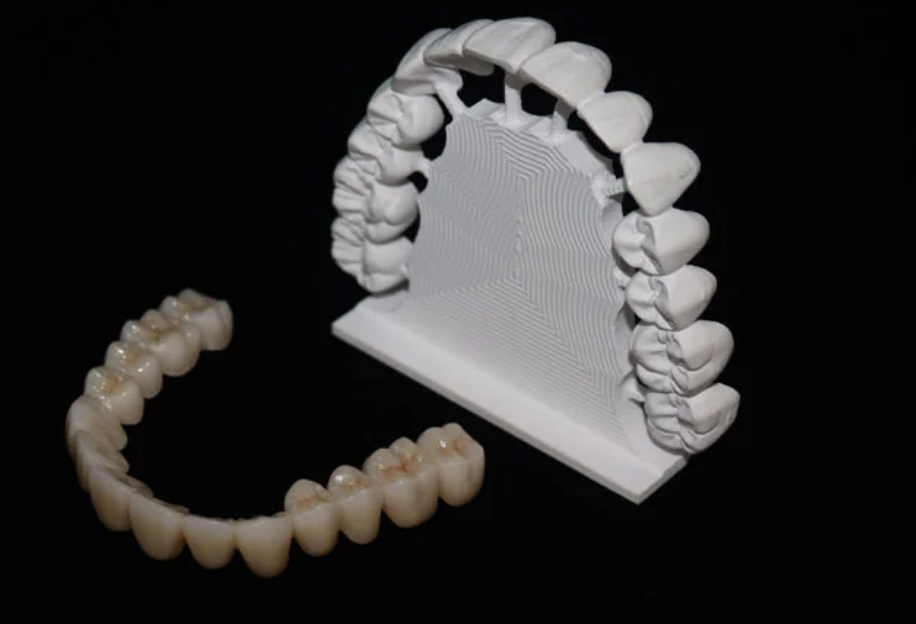
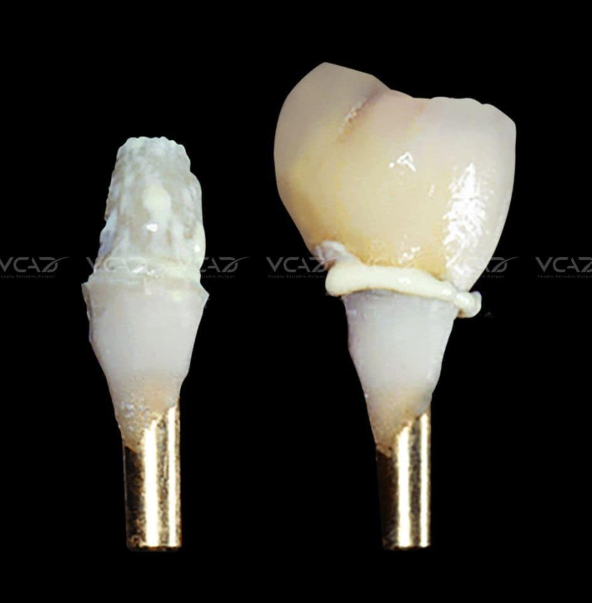
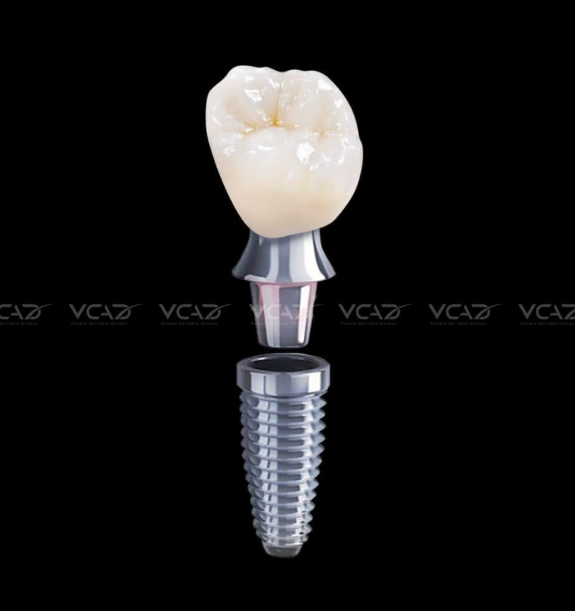
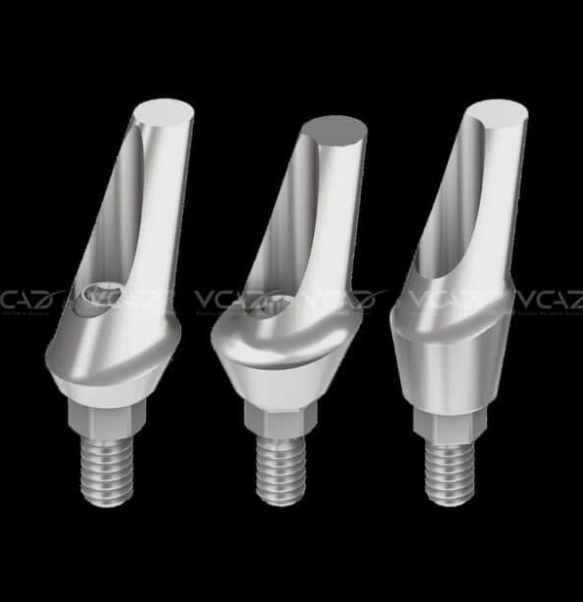
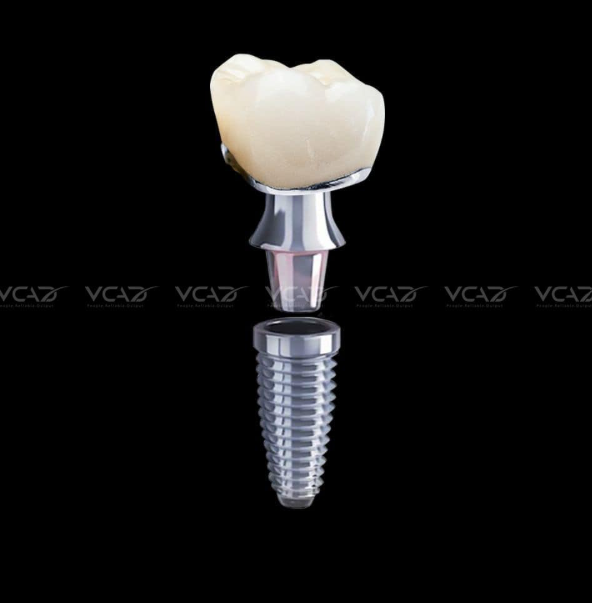
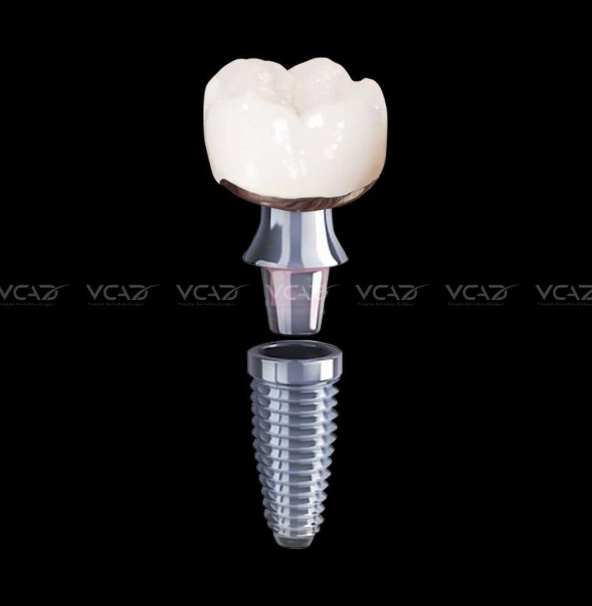
PFM on Implant: The implant post functions as an artificial tooth root, surgically placed into the jawbone, while PFM (Porcelain-Fused-to-Metal) crowns offer natural-looking restorations combined with the durability of metal

Materials

Zirconia/ E.Max/ Titan/ Co-Cr

STANDARD TURNAROUND TIME

1 day

PRODUCTIVITY

200 units/day

ORDER INSTRUCTION

STAGE 1

RECEIVED ORDERS

1. PREPARE INFORMATION BELOW:
– Bite impression files (Support File scan with formats: *.stl, *.ply, *.xml, *.dcm *.mtl,*.obj (3D object)) or physical impresion
– Physical bite impression
– Material instruction: Zirco, Emax,etc.
– Detail instruction: Style, Shape, RX form or Clinic form

2. SEND ORDER

– How to send: (Wetransfer, Itero, Google Drive link to download) via email
OR Send directly to WhatsApp
– Order email: production@vcaddental.com
– Online Form Order: click here

NOTE
– Diameter: 1.3mm
– We use Exocad 3.1; 3Shape 2020 & 2021
– Turnaround time: 8 hours (UNDER 8 units),
10 – 12h (MORE than 8 units)
the turnaround time might take to the next day if its in the night time.

STAGE 2

PROCEEDING

1. CHECK INFORMATION
Once received, we’ll review your order and get back to you within a few hours if any clarification is needed or additional information.

2. DESIGN PRODUCT
After confirm your information, we’ll begin the design process.
– Our default parameters below:

STAGE 3

PAYMENT & SHIPMENT

1. QUALITY CHECK
Once ready, you can review the final design and, if no adjustments are needed, proceed with payment.

2. PAYMENT
You will receive the invoice via Email or Whatsapp
(Bank account transfer or Paypal)

3. RECEIVE YOUR COMPLETED DESIGN
After payment, you’ll get the final files via email, WhatsApp, or Google Drive link to download.

STAGE 1

RECEIVED ORDERS

1. PREPARE INFORMATION BELOW:
– Bite impression files (Support File scan with formats: *.stl, *.ply, *.xml, *.dcm *.mtl,*.obj (3D object)) or physical impresion
– Physical bite impression
– Material instruction: Zirco, Emax,etc.
– Detail instruction: Style, Shape, RX form or Clinic form

2. SEND ORDER

– How to send: (Wetransfer, Itero, Google Drive link to download) via email
OR Send directly to WhatsApp
– Order email: production@vcaddental.com
– Online Form Order: click here

NOTE
– Diameter: 1.3mm
– We use Exocad 3.1; 3Shape 2020 & 2021
– Turnaround time: 8 hours (UNDER 8 units),
10 – 12h (MORE than 8 units)
the turnaround time might take to the next day if its in the night time.

STAGE 2

PROCEEDING

1. CHECK INFORMATION
Once received, we’ll review your order and get back to you within a few hours if any clarification is needed or additional information.

2. DESIGN PRODUCT
After confirm your information, we’ll begin the design process.
– Our default parameters below:

STAGE 3

PAYMENT & SHIPMENT

1. QUALITY CHECK
Once ready, you can review the final design and, if no adjustments are needed, proceed with payment.

2. PAYMENT
You will receive the invoice via Email or Whatsapp
(Bank account transfer or Paypal)

3. RECEIVE YOUR COMPLETED PRODUCT
After payment, you’ll get the final product sent by DHL, FedEx.

Welcome to our site

This is Subtitle

In digital dentistry, one of the most expensive and disruptive problems is the remake. A restoration remake affects every part of the workflow: it wastes lab resources, consumes clinician chairside time, delays treatment plans, and frustrates patients. Even high-performing dental labs struggle with remakes because the underlying causes are complex — incomplete data, unclear margins, inaccurate shade photos, last-minute changes, communication delays, or lack of structured workflows.

Digital Case Coordination is the modern answer to this challenge. Instead of treating each case as an isolated transaction, Digital Case Coordination turns dental workflows into a closed-loop ecosystem where data clarity, communication structure, and proactive verification significantly reduce errors before they occur. At VCAD Dental Outsourcing Lab, Digital Case Coordination is not a single role — it is a coordinated network of automation, human oversight, communication systems, and data-driven feedback cycles that together minimize remake rates and improve clinical outcomes.

This article analyzes how VCAD’s Digital Case Coordination system works and why it is central to delivering predictable, low-remake digital dentistry for global partners.

1. Why Remakes Happen — Understanding the Root Causes


Most remake problems are predictable — and preventable. The key is understanding where errors originate before blaming design or manufacturing.

1.1. Incomplete or distorted scan data


Missing interproximal surfaces, distorted occlusion, or unclear margins lead to design inaccuracies that cannot be corrected later.

1.2. Ambiguous clinical instructions


Instructions like “slightly adjust contact” or “more translucency” look simple but result in misinterpretation, especially across time zones.

1.3. Shade inconsistencies


Improper lighting, absence of calibration cards, or incorrect shade photography cause color mismatches that require remaking the entire restoration.

1.4. Clinician preference variations


Two clinicians may want different contact tightness or morphology styles — but without detailed preference profiles, labs rely on assumption.

1.5. Communication delays


If a lab waits hours or days for clarification, production timelines exceed tolerance, and rushed cases carry higher error risks.

1.6. Material selection conflicts


Using the wrong material for thin margins, underprepared surfaces, or high occlusal load situations often leads to fractures or poor esthetics.

When these problems stack together, remakes become inevitable.
Digital Case Coordination solves this by creating a layer of structured control between clinician and lab.

2. What Digital Case Coordination Actually Means


Digital Case Coordination at VCAD is built around the principle that precision begins with information, not manufacturing. Instead of relying solely on technicians, VCAD assigns each clinic a dedicated Case Coordinator trained in:

  • clinical terminology
    • CAD/CAM workflows
    • occlusal logic
    • material selection
    • communication strategy
    • cross-department scheduling


The coordinator becomes the “single brain” that oversees all case movement, ensuring no detail falls through the cracks.

But VCAD takes this further: Case Coordinators work inside a digital ecosystem supported by AI, automation, and structured protocols.

Together, they create a coordination system that is:
• fast
• consistent
• transparent
• measured
• predictive

This transforms remake reduction from hope into a repeatable system.

3. The VCAD Digital Case Coordination Workflow


Below is how VCAD’s system works step-by-step, ensuring problems are caught early rather than after production.

3.1. Automated Data Verification (Intake Level)


The moment a clinician uploads a case, VCAD’s system runs automated checks:

  • margin detectability
    • occlusion alignment
    • bite integrity
    • scan completeness
    • file corruption
    • prep reduction analysis
    • material compatibility


Errors are flagged instantly, and the coordinator reviews them manually for context.

3.2. Coordinator-Level Clinical Review


Human context is essential. The coordinator verifies:

  • prep design vs chosen material
    • shade consistency across images
    • restorative category accuracy
    • special instructions alignment
    • patient esthetic expectations


If any information is missing, the coordinator requests clarification immediately — often before the clinician has even left the room.

3.3. Preference Matching


VCAD stores preference profiles for each clinician:

  • contact tightness
    • occlusal scheme
    • morphology style
    • emergence profile
    • translucency and incisal halo effects


These preferences are automatically loaded into the CAD design so technicians don’t rely on memory or guesswork.

3.4. Live Communication Loop


During design, the coordinator stays connected with both the technician and clinician. This eliminates the classic “silent gap” where assumptions lead to errors.

3.5. Pre-QC Structural Review


Before milling, the coordinator verifies:

  • crown thickness
    • connector design
    • occlusal contacts under dynamic motion
    • esthetic parameters
    • scanned arch alignment


This prevents heavy grinding or non-seating restorations.

3.6. Post-QC Photographic Validation


After milling and finishing, high-resolution QC images are uploaded into the case record. The coordinator ensures everything matches the prescription before packing.

This multi-layer coordination makes errors extremely unlikely.

4. AI + Human Coordination: A Hybrid Model That Works


While humans excel at understanding nuance, AI excels at detecting patterns and highlighting risks. VCAD merges both.

4.1. AI Flags, Humans Interpret


AI flags:
• thin margins
• over-tapered preps
• occlusal collisions
• missing scan segments
• shade inconsistencies

Humans interpret clinical intent and decide whether revision is needed.

4.2. AI Predicts Remake Probability


VCAD’s models analyze thousands of past cases and predict remake risks based on:
• tooth type
• prep geometry
• material
• clinician patterns
• shade complexity

High-risk cases receive priority review.

4.3. AI Learns Clinician Patterns Over Time


The system gradually understands each clinician’s preferences better than they remember them themselves — producing consistent results across years.

Digital Case Coordination is not a static workflow; it is an intelligent feedback system.

5. How Digital Case Coordination Reduces Remake Rates


VCAD’s approach reduces remakes by attacking the problem at every stage.

5.1. Problems are prevented, not corrected


Most remakes occur because errors slip through early stages. By applying strict intake and pre-design validation, VCAD removes the root cause.

5.2. Communication becomes precise


Instead of vague instructions, all communication is structured:
• annotated 3D viewers
• standardized shade forms
• digital Rx templates
• visual feedback loops

5.3. Clinician expectations are stored and respected


Technicians no longer create designs based on assumption. Everything follows documented preferences.

5.4. Reduced chairside adjustment = reduced remake requests


When the crown fits with minimal adjustment, both clinicians and patients are happy.

5.5. Data-driven improvement


Every remake case is analyzed and added into the VCAD intelligence system, preventing the same errors in future cases.

This is why VCAD maintains one of the lowest remake rates among global outsourcing labs.

Remake reduction is not the result of luck, talent, or better milling machines — it is the outcome of coordinated systems that protect information accuracy from the moment a case enters the workflow. VCAD’s Digital Case Coordination combines automation, human expertise, data intelligence, and structured communication to eliminate errors before they reach production. For clinicians, this means restorations that seat easily, esthetics that match predictably, and treatment schedules that stay on track. For DSOs and multi-location clinics, it means consistency across branches and a dramatically reduced operational burden. For patients, it means confidence — the restoration they receive is the restoration intended. With Digital Case Coordination, VCAD transforms precision into a guaranteed outcome rather than a hopeful expectation.
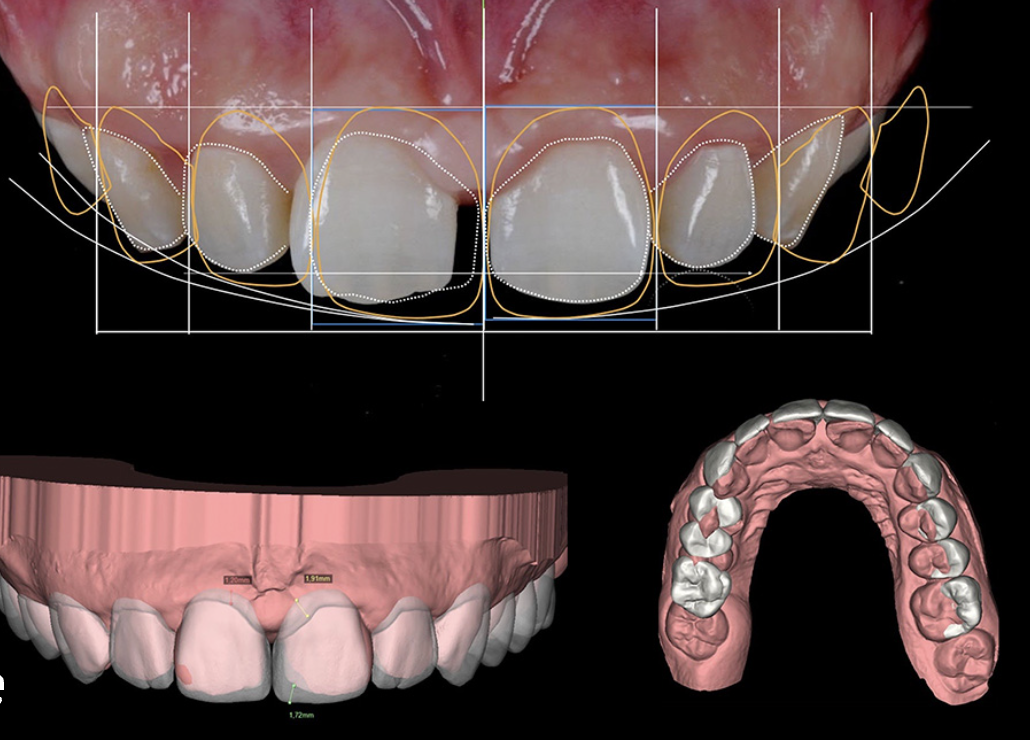
Shade selection has always been one of the most challenging aspects of esthetic dentistry. Even with advanced materials such as multilayer zirconia, lithium disilicate, and nano-ceramics, a restoration can look unnatural if its shade does not harmonize with the surrounding dentition. For decades, clinicians struggled with inconsistent lighting, subjective interpretation, and limited shade guides. Today, digital dentistry demands far more accuracy — especially as patients increasingly compare esthetic results with the expectation of “invisible dentistry.” VCAD Dental Outsourcing Lab sees shade management not as a single step but as a structured system that spans data capture, calibration, interpretation, and final quality control. This system-driven approach ensures that shade selection is repeatable, scientific, and consistent across cases, clinicians, and even different geographic regions. In this article, we explore how modern shade management works, why digital systems outperform traditional methods, and how VCAD’s standardized shade protocols dramatically improve esthetic predictability.

1. Why Traditional Shade Selection Often Fails


Traditional shade selection primarily relied on handheld guides such as Vita Classical or Vita 3D Master. While widely used, these tools introduce multiple limitations. First, shade interpretation is subjective. Two clinicians may choose slightly different shades under identical conditions because human perception varies with fatigue, background contrast, and even emotional state. Second, lighting dramatically affects shade accuracy — warm lighting introduces yellow bias, while cool lighting makes teeth appear brighter or grayer. Even sunlight varies by time of day, season, and geographic location, creating unpredictable results. Third, traditional shade photos often lack metadata such as color temperature, exposure settings, or reference markers. Without standardized photography, technicians cannot accurately interpret subtle nuances in translucency, value, or chroma. This leads to repeated adjustments, remakes, or chairside staining attempts. Fourth, dental restorations are multilayered structures, meaning a shade is not merely a surface color but a combination of translucency gradients, internal scattering, and enamel thickness. A flat shade choice cannot capture these subtleties. For these reasons, traditional shade taking frequently fails, especially in anterior esthetic zones.

2. The Digital Evolution of Shade Management


Modern dentistry embraces a new paradigm: shade selection as a digital, measurable, repeatable process. This transformation is driven by the integration of digital cameras, AI-based shade analysis tools, and standardized protocols. The emergence of calibrated photography systems allows clinicians to capture shade references with consistent lighting and color accuracy. Shade-matching software then compares these photos against libraries of known shades, helping to eliminate human subjectivity. Digital systems also allow technicians to analyze hue, value, and chroma separately instead of relying on a single general shade. Furthermore, digital shade mapping provides regional shade variation — for example, cervical warmth, middle chroma, and incisal translucency — something impossible with traditional guides. The result is a more complete, three-dimensional understanding of the patient’s actual tooth structure. VCAD embraces this evolution by implementing a full Shade Management System built on scientific principles rather than guesswork.

3. The VCAD Shade Management System: A Complete Workflow


VCAD's system includes five integrated layers, each designed to remove ambiguity and ensure high-fidelity esthetic outcomes.

3.1. Standardized Capture Protocol


Every clinician partnering with VCAD receives a comprehensive photography protocol covering angles, lighting, distance, and camera settings. The protocol includes instructions for: using neutral gray reference cards; capturing shade under 5500–6500K lighting; maintaining consistent camera distance; capturing multiple zones (cervical, middle, incisal); and avoiding color contamination from lipstick, reflective surfaces, or colored gloves. This ensures every shade image enters the system with predictable accuracy.

3.2. AI-Enhanced Shade Mapping


Once the clinician uploads shade photos, VCAD uses AI-driven analysis tools that compare the image against its internal library of more than 5,000 shade samples. The system evaluates color temperature, translucency, and value, then generates a heatmap of shade variation across the tooth. This provides data-driven insight into: incisal translucency level, enamel-thickness-related brightness, cervical chroma intensity, and incisal edge bluish opalescence. The output is far more informative than simply choosing "A2."

3.3. Visual Interpretation by Specialized Technicians


AI provides precise measurements, but final interpretation requires human expertise. VCAD’s esthetic technicians review the AI map and assess how the restoration’s material properties will interact with the shade. Zirconia requires different stain strategies than lithium disilicate, and incisal edge effects must be hand-adjusted. This hybrid model ensures accuracy while preserving artistic nuance.

3.4. Material-Specific Shade Adjustment Protocols


Different materials alter color through thickness, translucency, and firing cycles. VCAD uses calibrated protocols that specify enamel thickness, cutback techniques, multi-layering patterns, and staining guides for each material type. For example: 5Y zirconia requires protective adjustments in cervical warm zones; lithium disilicate responds strongly to internal characterization before pressing; multilayer zirconia demands orientation alignment with block gradient. These material-specific protocols ensure that the final restoration matches the intended shade even after sintering or crystallization.

3.5. Final Shade Quality Control


Before shipping, VCAD performs photographic comparison between the finished restoration and the original reference. QC technicians adjust surface stains, incisal translucency gradients, and glaze brightness to ensure natural integration. These QC images are also archived for future reference — contributing to VCAD’s long-term digital record system.

4. How Shade Management Systems Improve Esthetic Predictability


A structured shade system reduces the most common esthetic problems clinicians face. First, it minimizes the mismatch between restoration and natural dentition. Accurate shade mapping ensures cervical warmth looks natural and incisal translucency appears authentic rather than grayish. Second, it eliminates subjective variation between clinicians and technicians. When systems, not personal judgment, control shade, outcomes become replicable. Third, it reduces remakes — a major source of financial loss for both clinics and labs. Reproducing a crown purely because the shade is off by half a shade is wasteful and avoidable. Fourth, it improves patient satisfaction. Patients want restorations that blend seamlessly with their natural teeth, especially in the anterior zone. A structured shade system dramatically increases the chance of a perfect match. Fifth, it strengthens clinician confidence. When clinicians know their lab uses scientific shade protocols instead of visual estimation, they can confidently present esthetic treatments to patients.

5. Integrating Shade Systems Into Clinic Workflows


The success of shade management depends not only on the lab but on the clinic’s ability to follow protocols. VCAD supports this integration by providing: shade-taking training modules; templates for light calibration; smartphone camera setting guides; checklists for eliminating environmental color contamination; and sample cases showing good vs. bad shade capture. Clinics with multiple dentists or DSOs especially benefit from this standardization because it ensures every clinician captures shade the same way.

VCAD also helps clinics transition from subjective shade selection to data-based decision-making through consistent evaluation of shade images uploaded over time. If certain clinicians consistently submit photos with warm lighting bias, VCAD provides corrective feedback. If certain branches produce better outcomes, their best practices are shared across the network. This turns shade management into a continuous-improvement loop rather than a one-time instruction sheet.

Shade accuracy is one of the most important components of esthetic dentistry, yet historically it has been one of the least controlled. Digital dentistry elevates shade selection from an artistic guess to a scientifically managed system. VCAD’s Shade Management System combines standardized photography, AI-driven analysis, expert technician review, material-specific protocols, and rigorous QC to deliver restorations that match the patient’s natural dentition with remarkable precision. With this structured approach, shade selection becomes predictable, repeatable, and scalable — even for multi-clinic organizations operating across large geographic regions. For clinicians, the result is fewer remakes, faster seat times, happier patients, and confidence in every esthetic case. For patients, the result is a smile that looks natural, harmonious, and tailored to them — not merely the closest shade tab available.
As dentistry continues its rapid digital transformation, the growth of multi-location clinics and Dental Service Organizations (DSOs) has reshaped the way clinicians and laboratories work together. These expanded organizations manage thousands of patients, dozens of practitioners, and a large volume of restorative cases each month. Their biggest challenge is no longer just clinical quality — it is consistency, scalability, and operational control across all branches. Central management teams must ensure that every clinic uses the same protocols, every restoration meets the same standard, and every workflow remains predictable despite high-volume operations.

This is where VCAD Dental Outsourcing Lab has emerged as a powerful partner for DSOs. Through its technology ecosystem, standardized digital workflows, and predictable production cycles, VCAD enables multi-location groups to operate as one unified system rather than a cluster of independent clinics. For DSOs, VCAD is not simply an outsourcing lab. It is a digital manufacturing extension, a workflow coordinator, and in many cases, a quality-control backbone that helps maintain consistent standards across large clinical networks.

Below, we break down how VCAD supports DSOs through advanced systems, predictable production, and intelligent scaling.

1. The Core Challenge of DSOs: Consistency Across Locations


A multi-location dental group faces a unique operational challenge: multiple clinicians, multiple teams, and multiple workflows all feeding into one ecosystem. Without strong protocols, results can vary dramatically.

Inconsistent impression methods, subjective communication styles, varied material selection, and different margin preferences all lead to unpredictable restorations. One branch may produce perfect preps and accurate shade photography, while another produces unclear margins and poorly captured occlusion. Such inconsistency is costly for DSOs — remakes increase, patient satisfaction drops, and chairside time spikes unpredictably.

VCAD solves this by applying standardized digital systems across all clinics within the organization. Instead of each branch working differently, VCAD provides centralized tools, structured communication, and unified digital protocols so every case follows the same rules. This eliminates the biggest weakness of multi-location operations: variation.

2. Unified Digital Intake System for All Branches


One of the most powerful benefits VCAD offers DSOs is a single intake pipeline that all branches must follow. This pipeline standardizes:

  • how scans are uploaded
    • how bite data is captured
    • how shade photos are taken
    • how Rx instructions are filled
    • how clinicians communicate with the lab


This structure removes variation between branches. A case from Clinic A enters the system the same way as a case from Clinic B, C, or D. When DSOs onboard with VCAD, every clinician receives a standardized digital prescription template (VCAD DSO Rx) designed specifically for multi-location organizations. This ensures consistent data quality and reduces remake rates significantly.

Even better, VCAD’s intake AI automatically checks every case for errors before technicians begin design. If a scan is incomplete or a margin unclear, the system flags it directly to the branch responsible. This ensures that each clinic receives immediate feedback and improves over time.

3. Centralized Design Preferences for Every Clinician


One of the greatest operational challenges in DSOs is aligning design preferences across many dentists. Each clinician has their own preferences for:

  • occlusal contact strength
    • proximal tightness
    • emergence profile
    • functional design philosophy
    • esthetic contour style
    • crown thickness and morphology
    • translucency gradients
    • cement gap settings


VCAD solves this through Clinician Preference Profiles — dynamic digital profiles stored in the VCAD system. When a new dentist joins the DSO, VCAD establishes their preferences through a series of onboarding discussions and verification cases. Once confirmed, the system automatically applies their personal design settings to every case uploaded under their ID.

This allows DSOs to scale while preserving individualized care. Dentists feel that the lab understands their style, while the organization benefits from structured consistency.

Most importantly, when a clinician moves from one branch to another, their profile moves with them, ensuring immediate consistency regardless of location.

4. High-Volume Production Capacity for Multi-Location Scaling


DSOs handle significantly more cases than independent clinics. A single group may send:

  • 200+ crowns daily
    • 40–60 bridge units
    • multiple full-arch implant cases each week
    • seasonal spikes that double output


Traditional labs struggle to scale without sacrificing quality. VCAD is structured differently — built from the ground up for mass digital production, not traditional analog operations. With a dedicated team of CAD designers, 5-axis milling centers, AI-enhanced QC, and automated workflow systems, VCAD easily handles large volumes while maintaining consistent quality.

VCAD operates under a 24-hour cycle, leveraging time-zone synergy to conduct CAD work while Western clinics sleep and milling while they begin their day. This ensures that even high-volume DSOs receive extremely fast turnaround without overwhelming local teams.

5. Predictable Turnaround Times Essential for DSOs


DSOs need predictability to manage patient schedules across branches. Unpredictable labs cause:

  • appointment delays
    • increased chairside pressure
    • rescheduling conflicts
    • patient dissatisfaction


VCAD’s standardized timeline eliminates uncertainty:

  • 8-hour CAD design
    2-day production
    strict QC cycles
    predictable logistics timelines


Because every branch works with the same production queue, DSOs can plan confidently across all locations. Predictability becomes a competitive advantage.

6. Centralized Communication and Tracking for All Clinics


DSOs often struggle with communication chaos. When each clinic communicates separately with labs, messages get lost, instructions conflict, and tracking becomes impossible.

VCAD solves this with a centralized communication dashboard, where:

  • all case updates are visible to management
    • each branch’s performance metrics can be monitored
    • revision patterns and remake rates are tracked
    • clinicians and coordinators follow a unified communication thread
    • managerial teams gain a bird’s-eye view of case flow across the entire organization


Rather than dozens of separate conversations, VCAD gives DSOs a single, unified communication channel.

7. Performance Analytics for Multi-Location Optimization


One of VCAD’s strongest advantages for DSOs is its analytic engine. Because all cases flow through a digital pipeline, the system automatically collects data such as:

  • most common failure types
    • clinic-level remake rates
    • average chairside adjustment per clinician
    • shade accuracy by branch
    • recurring prep issues
    • scan quality score per device
    • turnaround compliance
    • bite consistency across locations


DSO managers can instantly see which clinic struggles with preparation accuracy, which branch consistently uploads missing files, or which scanner models produce the most reliable datasets. These insights allow DSOs to improve training, enhance workflows, and significantly reduce operational waste.

VCAD becomes not just a lab — but a data partner.

8. Seamless Multi-Clinic Onboarding and Training


When DSOs expand and open new branches, the onboarding process for new clinicians becomes critical. VCAD provides onboarding support including:

  • training on digital recording and scanning
    • shade photography guides
    • digital communication standards
    • bite capture protocols
    • design preference setup
    • troubleshooting guides for inconsistent data


VCAD also supports DSOs through remote workshops, design reviews, and case follow-up discussions to ensure new clinics integrate smoothly into the system.

Multi-location clinics and DSOs represent the future of dentistry. To meet the demands of standardization, high case volumes, consistency, and predictable outcomes, they need laboratory partners capable of matching their scale. VCAD provides the digital infrastructure, intelligent workflow tools, analytic insight, and production capacity necessary for DSOs to operate efficiently across multiple locations.

With unified workflows, clinician-specific design profiles, centralized communication, and high-volume consistency, VCAD acts as the structural backbone for scalable success.

In a world where dentistry is increasingly digital and organizationally complex, VCAD brings simplicity, structure, and precision to the multi-clinic ecosystem — transforming challenges into competitive advantages.

REQUEST A TRIAL ORDER

Request Sample Case VCAD