


Blog

1. Introduction: Why Remakes Happen and What They Teach Us


In restorative dentistry, remakes are inevitable. Even the most experienced clinicians and the most advanced labs occasionally face cases where restorations do not meet the expected clinical outcome. It could be a crown that does not seat properly, a bridge that fractures under pressure, or an implant restoration that fails to integrate seamlessly. For many, these situations feel like failures. However, for forward-thinking labs, remakes are not simply errors to correct but valuable lessons to refine workflows and strengthen partnerships.

Research and clinical practice both confirm that remakes are among the most common sources of frustration for dentists. They increase chairside time, disrupt patient schedules, and add costs that neither the clinic nor the patient anticipated. Yet the real problem is not the remake itself—it is how the lab responds. Some labs hide mistakes, shift blame, or provide vague explanations. This approach erodes trust and creates long-term doubts about reliability.


At VCAD Dental Outsourcing Lab, remakes are treated differently. Rather than regarding them as failures to conceal, VCAD views them as opportunities for transparency, problem-solving, and continuous improvement. Each case is carefully analyzed, documented, and shared with the dentist to ensure accountability and collaboration. This philosophy not only resolves the immediate clinical issue but also prevents similar problems in the future.

By positioning remakes as part of an ongoing quality-improvement cycle, VCAD demonstrates that trust is built through openness and expertise. For international clinics, this means confidence in a partner that does not shy away from challenges but instead turns them into proof of professionalism.

2. Common Causes Behind Complex Remakes


To understand why remakes happen, it is important to recognize the most common factors that compromise restoration success. These issues may arise from the dentist’s clinic, the lab’s workflow, or a combination of both:

  • Impression or scan errors
    Poor-quality impressions or incomplete intraoral scans can distort the patient’s anatomy. This often leads to crowns or bridges that do not seat properly, requiring costly adjustments or complete remakes.

  • Margin design flaws
    If margins are not clearly defined in the digital design stage, restorations risk poor adaptation, resulting in open contacts, recurrent decay, or patient discomfort.

  • Occlusal inaccuracies
    Even small miscalculations in occlusion or contact points can cause fractures, uneven force distribution, or pain. This is particularly critical in implant-supported restorations, where load distribution must be exact.

  • Material mismatch
    Choosing the wrong material for a given clinical situation can undermine longevity. For example, using a weaker ceramic in high-stress posterior regions often results in early fractures.

  • Manufacturing inconsistencies
    Errors during milling, sintering, or finishing can weaken the restoration. Variations in firing cycles or inadequate surface finishing may compromise both esthetics and strength.


At many labs, these issues may repeat because errors are not properly analyzed or communicated. At VCAD, however, each remake is investigated through a root cause analysis. By identifying whether the problem originated in impression quality, CAD design, material choice, or production execution, the lab ensures that the lesson becomes part of a continuous improvement system.

For dentists, this approach provides reassurance that mistakes are not swept under the rug. Instead, they are studied, explained, and corrected in ways that prevent recurrence. Over time, this level of accountability translates into higher success rates, fewer remakes, and greater patient trust.

3. VCAD’s Approach: Transparency and Root Cause Analysis


The difference between an average lab and a trusted partner lies in how they handle setbacks. At VCAD Dental Outsourcing Lab, every remake is approached not as a problem to cover up but as a case study for improvement. This philosophy is what sets VCAD apart in the competitive landscape of international outsourcing.


Full documentation and reporting
When a remake request arrives, VCAD immediately retrieves all associated documentation: original design files, milling parameters, QC photos, and shade records. This ensures the investigation begins with a comprehensive picture of what went wrong. Instead of vague explanations, dentists receive clear and detailed feedback supported by evidence.

Engaging the clinician in analysis
Unlike labs that simply reprocess the case internally, VCAD encourages direct collaboration with the dentist. Using the original intraoral scans or impressions, technicians walk the clinician through the potential causes—whether it was unclear margin capture, occlusal imbalance, or material stress issues. This process not only identifies the source of failure but also strengthens the professional relationship through shared accountability.

Root cause investigation
The goal is never to assign blame but to identify the exact failure point. For example:

  • If the problem lies in the initial impression, VCAD provides feedback and guidance to prevent recurrence.

  • If the issue arose in CAD design, the lab’s senior technician revises the design parameters and updates internal protocols.

  • If manufacturing inconsistencies are found, equipment calibration or workflow adjustments are implemented.


Transparency as trust-building
Clinics around the world value VCAD because of this open-book approach. Rather than keeping errors hidden, VCAD uses remakes to demonstrate its professionalism, showing dentists that their outsourcing partner is committed to continuous improvement and long-term reliability.

4. From Failure to Predictable Success


Once the root cause has been identified, the remake process at VCAD is designed not only to correct the problem but also to upgrade the case to a higher level of success. This mindset transforms remakes from setbacks into opportunities for clinical excellence.

Enhanced CAD/CAM design protocols
If the issue involved margins or occlusion, VCAD introduces a double-check system where two technicians review the design before approval. Dentists are invited to view the updated design via online platforms, ensuring they are satisfied before the case enters production. This collaborative safeguard dramatically reduces the risk of repeat remakes.

Material optimization
In cases where material selection contributed to failure, VCAD shifts to more durable alternatives. For example, a fractured lithium disilicate crown may be remade using multilayer zirconia to handle posterior bite forces, while still meeting esthetic expectations. This proactive adjustment ensures the remake not only solves the immediate issue but also extends longevity.

Stronger quality control (QC) protocols
Remake cases often undergo heightened scrutiny. In addition to standard checks, VCAD’s QC team inspects internal fit, marginal seal, shade matching, and occlusal contact with extra rigor. High-resolution photos are shared with dentists, giving them visibility into the improved workflow.

Predictable outcomes for clinicians and patients
The greatest benefit of VCAD’s remake philosophy is predictability. Dentists can assure their patients that, even when initial complications arise, the lab will deliver a corrected restoration that meets international standards. For patients, this builds trust—not only in their dentist but also in the overall treatment journey.

Turning remakes into learning models
Every remake is logged into VCAD’s internal knowledge base, where technicians and managers use it as a training tool. Over time, these lessons accumulate into a refined workflow that reduces remake frequency overall. This institutional memory is why VCAD consistently reports lower remake rates compared to average international labs.

Case example
A complex full-arch zirconia case from a European client once required a remake due to occlusal discrepancies. Instead of simply re-milling, VCAD initiated a collaborative session with the dentist, redesigned the occlusion with input, and applied upgraded sintering cycles. The remake not only resolved the problem but produced a restoration with superior aesthetics and durability. The client later reported reduced chairside adjustment time and higher patient satisfaction.


By adopting this methodical, transparent, and improvement-oriented approach, VCAD ensures that every remake strengthens the partnership with clinicians rather than undermining it.

5. Conclusion: Trust Built Through Transparency


In dentistry, remakes are often viewed as setbacks—an inconvenience for clinicians and a frustration for patients. Yet the way a lab approaches these challenges reveals its true professionalism. While some labs downplay errors or leave clinicians without clear answers, VCAD Dental Outsourcing Lab has built its reputation on doing the opposite: embracing remakes as opportunities for growth, transparency, and long-term success.

By applying root cause analysis, VCAD ensures that every issue is studied, documented, and resolved. The lab goes further by actively involving clinicians in the process, sharing digital files, photos, and insights to clarify what went wrong and how it is being corrected. This openness transforms remakes from hidden liabilities into visible demonstrations of accountability.

More importantly, VCAD turns clinical failures into predictable successes. With upgraded CAD/CAM checks, refined material choices, and stricter QC protocols, remakes often result in restorations that outperform the original attempt. Dentists benefit from fewer future complications, while patients receive outcomes that restore confidence in their treatment.

For international clinics, this philosophy provides reassurance that they are not just outsourcing to a lab, but partnering with a team committed to continuous improvement. Trust is not built by avoiding mistakes—it is built by addressing them honestly and ensuring they never recur.

In the end, VCAD proves that transparency is the foundation of reliability. By transforming remakes into case studies for excellence, the lab strengthens its partnerships, reduces long-term remake rates, and delivers on its promise of durable, esthetic, and predictable restorations.

Contact us via:

Phone: (+84) 866 664 015

Email: support@vcaddental.com

Facebook: facebook.com/vcadoutsourcingdentallab


TikTok: tiktok.com/@vcaddentallab0
1. Introduction: The Rise of Global Collaboration in Dentistry


Dentistry has become increasingly global. A clinician in the United States, Europe, or Southeast Asia can now collaborate seamlessly with a dental lab in another country thanks to digital dentistry. This shift has given rise to the outsourcing model, where clinics rely on specialized labs abroad to provide high-quality restorations at competitive turnaround times.

The appeal is clear: outsourcing allows practices to access cutting-edge CAD/CAM technology, reduce overhead costs associated with maintaining an in-house lab, and scale their treatment capacity without hiring additional technicians. However, outsourcing across borders also introduces challenges. Concerns about data security, communication delays, and consistency of quality often discourage clinics from exploring international partners.

This is where VCAD Dental Outsourcing Lab has positioned itself as a trusted partner. By developing a transparent and reliable cross-border case management system, VCAD makes it easy for international clinicians to submit cases, track progress, and receive predictable results. The lab’s workflows are built not only on advanced technology but also on clear communication and strict quality control.


For dentists, this means gaining the advantages of outsourcing without compromising on control. Patients see faster turnaround, esthetic restorations, and functional results, while clinicians can confidently expand their treatment capacity with global support.

2. Step 1: Receiving Digital Submissions from International Dentists


The cross-border workflow begins with digital submission of cases. Instead of relying on physical impressions that must be shipped internationally—a process vulnerable to distortion, damage, and delays—dentists send intraoral scans directly to VCAD’s secure system.

Accepted file formats include STL, PLY, and OBJ, all fully compatible with VCAD’s CAD/CAM platforms. Uploads are encrypted, meeting HIPAA and GDPR standards for patient data protection. This ensures that sensitive information remains safe while traveling across digital borders.

The advantages of this approach are immediate. Digital submissions eliminate courier delays, reduce the carbon footprint associated with shipping, and provide an exact digital replica of the patient’s oral anatomy. Accuracy is preserved from the moment the scan is captured to the moment the design process begins at the lab.

Once a submission is received, VCAD’s intake team reviews the case details and categorizes it—whether it’s a single crown, bridge, implant-supported restoration, or a full-arch case. Each case is then assigned to a technician with specialized expertise in that particular type of restoration. This targeted assignment improves efficiency and ensures that every case is handled by someone with the right skill set.

By making digital submissions fast, secure, and specialized, VCAD turns what could be a logistical challenge into a smooth entry point for international collaboration. Dentists gain confidence knowing that their case begins on a solid, protected foundation—setting the tone for successful outcomes throughout the entire workflow.

3. Collaborative Design and Approval


One of the biggest concerns for clinicians when outsourcing internationally is whether they will lose control over design decisions. At VCAD Dental Outsourcing Lab, the workflow is built around collaborative transparency, ensuring that dentists remain actively involved at every stage of the design process.

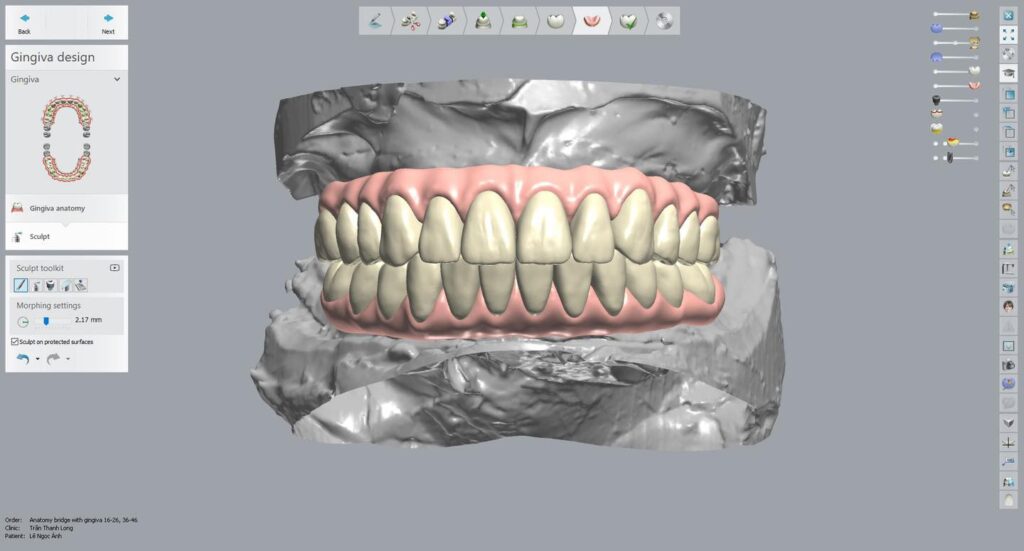
Once a digital file is received and reviewed, the case is transferred into CAD platforms such as Exocad or 3Shape. Here, VCAD’s experienced technicians design the proposed restoration, taking into account occlusion, contact points, shade requirements, and the esthetic goals outlined by the clinician. However, unlike traditional labs where the design is finalized without external input, VCAD shares a 3D preview of the design online.


This step allows dentists—and, if desired, their patients—to visualize the restoration before production. Feedback can be given in real time: adjustments to occlusal contact, fine-tuning of margins, or esthetic refinements can all be requested. These modifications are quickly integrated by VCAD technicians, who then resubmit the design for final approval.

The benefits of this approach are twofold. First, it minimizes the risk of remakes by catching potential issues at the digital stage rather than after manufacturing. Second, it empowers clinicians to maintain control even when collaborating across borders. The sense of working “side by side” with a lab in Vietnam, despite being continents away, helps build trust and consistency in international relationships.

This approval-based workflow is especially valuable for complex cases, such as full-arch zirconia or implant-supported bridges, where precision is critical. By ensuring that no restoration moves into production without explicit approval, VCAD guarantees outcomes that match the clinician’s expectations and reduce chairside adjustment times.

4. Precision Manufacturing and Quality Control


Once a design is approved, the case advances to manufacturing, where digital precision is translated into physical reality. At this stage, the quality of equipment, materials, and processes determines whether the restoration will meet international benchmarks for strength, fit, and esthetics.

State-of-the-art milling and sintering
VCAD operates with high-resolution milling units capable of delivering micron-level accuracy. Multilayer zirconia, lithium disilicate (E.max), and biocompatible alloys are milled under strict parameters to ensure durability and a precise fit. Zirconia restorations undergo carefully calibrated sintering cycles lasting up to eight hours, a process that ensures optimal strength while preventing microfractures that could compromise longevity.


Consistency across high case volumes
Handling international cases means working at scale without sacrificing precision. VCAD achieves this through workflow discipline, standardizing milling and sintering parameters while maintaining flexibility for case-specific adjustments. This balance allows the lab to serve multiple countries without variation in quality.

Multi-layered quality control
Manufacturing is followed by rigorous quality checks at multiple stages:

  • Post-milling inspection under magnification to verify internal and marginal fit.

  • Shade verification to confirm consistency with the dentist’s instructions.

  • Final esthetic review after glazing and polishing to ensure lifelike translucency and surface finish.


Cases that fail to meet these standards are reworked in-lab, never shipped to the client. This policy drastically reduces remake rates, saving clinics time and protecting patient trust.

Documentation and transparency
Every completed case is packaged with QC reports and photos documenting the restoration’s accuracy and shade. For international clinicians, this transparency reinforces confidence that what arrives at their clinic has been tested and validated according to global standards.

By combining advanced manufacturing with uncompromising quality control, VCAD transforms international outsourcing into a predictable, low-risk process. Clinics no longer need to worry about unreliable outcomes or inconsistent restorations. Instead, they receive high-quality products that align with CE, FDA, and ISO benchmarks, delivered on time and ready for immediate clinical use.

5. Logistics and On-Time Delivery


For international clinicians, even the best-designed and manufactured restoration becomes meaningless if it does not arrive on time. Delays can disrupt patient schedules, extend treatment plans, and erode trust. Recognizing this, VCAD Dental Outsourcing Lab has made logistics management a core part of its cross-border case system.

Reliable global shipping partners
VCAD collaborates with trusted carriers such as DHL and FedEx to manage international deliveries. These partnerships ensure that restorations are transported quickly and securely, with real-time tracking available for every shipment. Clinicians can monitor the progress of their cases and plan patient appointments with confidence.

Turnaround times designed for global clinics
Speed matters. For single crowns or small bridges, VCAD typically delivers within 3–5 working days, including international shipping. More complex cases, such as implant frameworks or full-arch zirconia, are completed in 7–10 working days. This efficiency rivals local labs in many regions, proving that outsourcing does not mean compromising on speed.

Protective packaging and documentation
Each case is packaged in reinforced boxes designed to withstand long-distance travel. Inside, restorations are secured in custom foam inserts, preventing movement or damage during shipping. Alongside the product, clinicians receive QC documentation and high-resolution photos, ensuring full transparency and confidence before the case is even seated.

Problem-solving and contingency planning
Even with global logistics partners, unforeseen events such as customs delays or flight cancellations can occur. VCAD anticipates these risks by working with multiple carriers and offering proactive communication. If a delay is detected, clinicians are informed immediately and provided with revised delivery estimates, ensuring patients are not left in the dark.

By managing logistics as meticulously as design and production, VCAD bridges the gap between Vietnam and international clinics, making cross-border outsourcing as seamless as working with a local lab.

Conclusion: Why VCAD Is a Trusted Partner for International Dentists


Outsourcing dental cases across borders once seemed daunting. Concerns about data security, inconsistent results, and unreliable shipping often kept clinics from exploring international options. But as dentistry becomes more global and digital, the ability to partner with overseas labs is no longer a luxury—it is a necessity for practices that want to stay competitive.

VCAD Dental Outsourcing Lab demonstrates that international collaboration can be both predictable and rewarding. By combining secure digital submissions, collaborative design approval, precision manufacturing, multi-stage quality control, and reliable logistics, VCAD delivers a seamless workflow for clinicians worldwide.

For dentists, this means reduced costs, fewer remakes, and faster turnaround without compromising quality. For patients, it means restorations that fit, function, and last—delivered on time, every time. And for clinics, it means partnering with a lab that feels like an extension of their own team, regardless of distance.

In a dental world that increasingly crosses borders, VCAD has positioned itself as a trusted global partner—one that ensures every restoration meets the highest international standards while arriving exactly when it is needed.

Contact us via:

Phone: (+84) 866 664 015

Email: support@vcaddental.com

Facebook: facebook.com/vcadoutsourcingdentallab


TikTok: tiktok.com/@vcaddentallab0
1. Introduction: Success Is More Than Just Material Choice


In the world of restorative dentistry, material choice often takes center stage. Zirconia and lithium disilicate (E.max) are regularly cited as gold standards for strength and esthetics, and their widespread adoption has elevated the quality of dental care worldwide. However, relying solely on the material as the predictor of success can be misleading.

Clinical studies and industry reports consistently show that even when top-tier materials are used, restoration failure rates can vary significantly between labs. Why? Because materials are only one part of a larger equation. Design, workflow precision, and quality control practices determine whether restorations achieve their full potential or end up requiring costly remakes.

E-Max vs Zirconium

This distinction is critical for dentists evaluating outsourcing partners. A crown made of premium multilayer zirconia can still fail prematurely if margins are poorly designed, occlusion is unbalanced, or the sintering process is mismanaged. By contrast, a lab that integrates smart digital design and multi-stage quality checks can consistently deliver long-lasting results—even when working with the same base materials.

At VCAD Dental Outsourcing Lab, the philosophy is clear: material quality sets the foundation, but design intelligence, workflow discipline, and quality assurance bring durability and esthetics to life. This holistic approach explains why VCAD achieves low remake rates and high clinician satisfaction across international markets.

2. The Role of Smart Digital Design


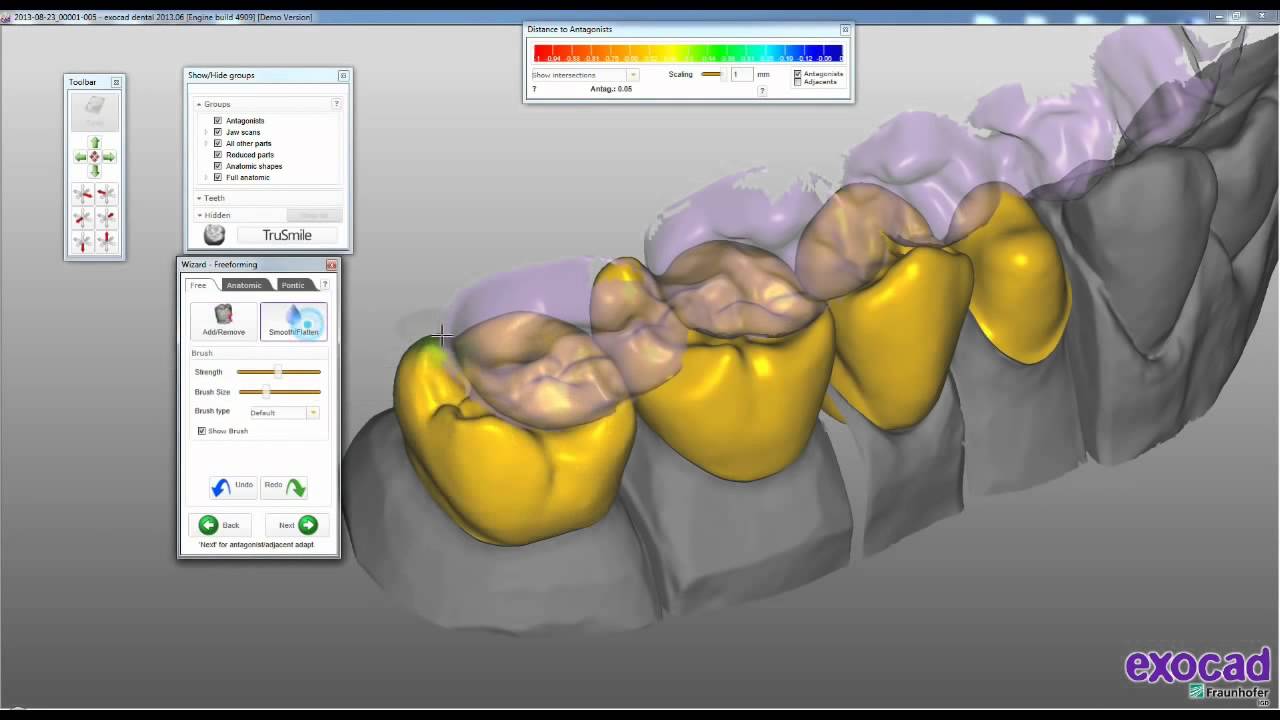
The first hidden factor behind restoration success lies in CAD/CAM design. Modern software such as Exocad and 3Shape enables labs to craft restorations with micron-level precision. Yet software is only as effective as the technician behind it.


Several key aspects of design directly influence longevity:

  • Occlusion and contact points: Poorly adjusted occlusion can create uneven stress, leading to fractures, mobility issues, or patient discomfort. Properly calibrated contact points ensure restorations integrate seamlessly into the existing dentition.

  • Margin design: Margins that are too thick or irregular compromise the seal, making restorations vulnerable to recurrent decay. Accurate margin placement maximizes retention and tissue compatibility.

  • Anatomical shaping: Esthetics are not just visual; anatomical accuracy affects function as well. Well-designed anatomy distributes bite forces evenly while enhancing the natural appearance of teeth.


At VCAD, digital designs are never finalized without double review. Each case is checked internally before being shared online with the dentist for approval. This two-step validation minimizes the risk of design errors, empowers clinicians with transparency, and ensures that the restoration is optimized before milling begins.

The result is clear: restorations that are not only strong on paper but also clinically reliable in the patient’s mouth. By investing in design expertise, VCAD turns advanced software into a powerful tool for consistent success.

3. Workflow and Precision Manufacturing


Even the most carefully crafted CAD design can fall short if the workflow that follows is inconsistent. This is where VCAD’s fully digital manufacturing process becomes a defining factor. Each step is streamlined to ensure accuracy, efficiency, and repeatability across hundreds of daily cases.

Seamless file transfer
Instead of shipping physical impressions, dentists send intraoral scans directly to VCAD. This eliminates risks of distortion, reduces shipping delays, and accelerates case turnaround. Digital files are securely stored and transferred, maintaining both accuracy and data privacy.

High-resolution milling
Once approved, designs are transferred to state-of-the-art milling units capable of micron-level precision. Advanced milling strategies are applied to optimize material use while minimizing internal stress that could compromise strength. Whether milling multilayer zirconia or lithium disilicate, VCAD ensures the fit is exact—reducing the risk of chairside adjustments and patient discomfort.

Controlled sintering cycles
Sintering is one of the most critical stages in determining restoration durability. Over- or under-sintering can lead to microfractures, compromising longevity. VCAD employs optimized firing schedules based on manufacturer guidelines and real-world testing. This consistency ensures that every zirconia crown achieves its full strength potential.

Finishing and esthetic layering
While CAD/CAM provides the skeleton of precision, artistry completes the case. Technicians at VCAD apply staining, glazing, and final esthetic touches to replicate natural enamel. This step is not only cosmetic—it also strengthens the restoration’s surface and improves wear resistance.

The result of this disciplined workflow is predictable success. Cases arrive ready to seat, with minimal need for adjustment, and long-term outcomes that align with the survival rates documented in international research.

4. Quality Control: The Final Gatekeeper


Even with advanced technology, human oversight remains the ultimate safeguard. Quality control (QC) is where many labs cut corners, leading to inconsistent outcomes and high remake rates. VCAD, by contrast, treats QC as a multi-stage process designed to eliminate errors before they reach the clinic.

Step 1: Digital review
Every design undergoes verification by a senior technician before production. This ensures margin clarity, occlusion accuracy, and anatomical correctness.

Step 2: Post-milling inspection
After milling, restorations are inspected under magnification to confirm internal and external precision. Fit discrepancies are flagged immediately, preventing downstream issues.

Step 3: Final esthetic and functional review
Once glazing and finishing are complete, restorations are tested for shade accuracy, occlusal harmony, and overall esthetic integration. Any adjustments are made in-lab, rather than leaving corrections to the dentist’s chairside time.

Step 4: Packaging and documentation
Before shipment, restorations are carefully packaged with case details and QC documentation. This level of transparency assures dentists that each restoration has passed rigorous checks.

For dentists, this translates into fewer remakes, reduced chairside adjustments, and greater confidence in every case. Patients benefit from restorations that seat smoothly, look natural, and last for years.

By positioning QC as the “final gatekeeper,” VCAD ensures consistency case after case, reinforcing its reputation as a lab that delivers not only advanced materials but also meticulous craftsmanship and reliability.


5. Conclusion: Why Success Is More Than Materials


The success of a dental restoration cannot be reduced to material choice alone. Zirconia, E.max, and biocompatible alloys provide a strong foundation, but without precise design, disciplined workflow, and rigorous quality control, even the best materials can fall short of their potential.

This is where VCAD Dental Outsourcing Lab sets itself apart. By combining advanced CAD/CAM design, precision manufacturing, and multi-stage quality control, VCAD minimizes remakes and maximizes predictability. Each restoration reflects a balance of technology and human expertise, ensuring that outcomes are consistent with the survival rates reported in global research.

For dentists, the benefit is measurable: fewer chairside adjustments, reduced remake costs, and more time to focus on patient care. For patients, the impact is deeply personal: restorations that fit comfortably, look natural, and last for years. And for clinics competing in international markets, partnering with VCAD means aligning with a lab whose reputation is built on reliability, transparency, and trust.

Ultimately, success in restorative dentistry lies in integration, not isolation. Materials matter, but so do design intelligence, workflow discipline, and uncompromising quality checks. VCAD proves that when these hidden factors are addressed, restorations achieve their full promise—delivering durability, esthetics, and peace of mind for both dentists and patients.


Contact us via:

Phone: (+84) 866 664 015

Email: support@vcaddental.com

Facebook: facebook.com/vcadoutsourcingdentallab


TikTok: tiktok.com/@vcaddentallab0

1. Introduction: Why Longevity Matters in Restorative Dentistry


Restorative dentistry is not only about restoring function and esthetics—it is about delivering results that stand the test of time. Patients invest both financially and emotionally in their treatments, expecting that crowns, bridges, or implant-supported restorations will last for many years without the inconvenience of constant replacements. For dentists, the durability of a restoration directly impacts clinical efficiency, patient satisfaction, and long-term trust.


Longevity, therefore, has become one of the most important benchmarks of restorative quality. A restoration that fractures, discolors, or fails within a few years can erode patient confidence and increase the burden on clinicians. Conversely, when restorations perform predictably over a decade or more, they reinforce the reputation of both the dentist and the lab behind the case.

Global research has provided clear evidence of the survival rates of modern materials such as zirconia, lithium disilicate (E.max), and biocompatible alloys. These studies confirm that with proper design, manufacturing, and quality control, restorations can achieve survival rates exceeding 90–95% over five to ten years.

VCAD Dental Outsourcing Lab aligns its workflows with these global standards, ensuring that restorations not only meet esthetic expectations but also deliver the durability that patients and clinics require.

2. What Global Research Says About Restoration Durability


Several long-term clinical studies have demonstrated the reliability of modern restorative materials:

  • Zirconia restorations:
    A 10-year study conducted across multiple European dental centers found survival rates of zirconia crowns above 90%. The material’s resistance to fracture, combined with CAD/CAM precision, makes zirconia one of the most durable choices for both posterior and anterior restorations. The introduction of multilayer zirconia further enhanced aesthetics without sacrificing longevity.

  • E.max (lithium disilicate):
    Clinical trials spanning 5–7 years have consistently reported survival rates of 95–97% for E.max crowns, particularly in anterior applications where esthetics are critical. Its glass-ceramic composition provides strength while maintaining a natural translucency, balancing durability with beauty.

  • Metal frameworks:
    Cobalt-chrome and titanium frameworks for implant-supported restorations remain the gold standard for long-term performance, with survival rates exceeding 95% after 10 years. These materials provide structural integrity for full-arch restorations while minimizing biological complications.


The key insight from global research is that durability depends on more than the material itself. Success also requires precise design, accurate manufacturing, and thorough quality control. Without these supporting elements, even the strongest materials may fail prematurely.

This is where outsourcing labs play a pivotal role. By adopting digital workflows and rigorous QC processes, labs can ensure restorations achieve the same survival outcomes documented in international studies. For dentists, aligning with a lab that follows these standards is the most reliable way to deliver long-lasting results.

3. How VCAD Aligns with Global Standards


While global research provides the evidence base for restorative longevity, the challenge lies in translating these findings into everyday practice. VCAD Dental Outsourcing Lab has built its workflows around international standards, ensuring that each case reflects the same durability outcomes reported in clinical studies.


Material sourcing with certifications
VCAD exclusively partners with suppliers whose materials are CE, FDA, and ISO certified. This guarantees that zirconia, lithium disilicate (E.max), and biocompatible alloys meet the highest international safety and performance requirements. By eliminating uncertified or low-grade options, VCAD safeguards both patient health and restoration longevity.

Digital CAD/CAM workflows
Global studies highlight the importance of precision fit in achieving long-term success. At VCAD, restorations are designed using advanced CAD software such as Exocad and 3Shape, and milled with high-resolution CAM units. This ensures micron-level accuracy, reducing the risk of stress fractures, occlusal imbalances, or early failure. Digital design also allows for real-time collaboration with dentists, providing transparency and minimizing errors before manufacturing begins.

Multi-stage quality control
Durability depends on consistency, which is why VCAD implements rigorous quality control at every stage. Each case is reviewed at the design phase, verified post-milling, and inspected after final finishing. Technicians assess marginal fit, occlusion, and esthetics under magnification to ensure restorations meet the standards expected in international labs.

Human expertise enhancing technology
Even with advanced algorithms, technician artistry remains vital. VCAD’s team of experienced ceramists adjusts occlusion, contours, and surface texture to enhance both function and appearance. This combination of human skill and digital precision ensures that restorations are not only durable but also esthetically natural.

By aligning material selection, workflows, and expertise with evidence from global studies, VCAD delivers restorations that meet and often exceed international longevity benchmarks. For clinics worldwide, this means confidence in predictable outcomes, reduced remakes, and patient satisfaction that lasts for years.

4. The Value for Clinics and Patients


The longevity of dental restorations carries value that extends far beyond the individual case. When restorations are durable, both dentists and patients benefit in measurable and meaningful ways.

For clinics, fewer remakes mean greater efficiency. Every time a restoration fails prematurely, it requires additional chair time, lab coordination, and patient management. These interruptions not only reduce productivity but also increase costs. By outsourcing to VCAD Dental Outsourcing Lab, dentists gain access to restorations designed and manufactured for long-term success, reducing the incidence of remakes. This allows clinics to allocate more time to new patients and advanced treatments, ultimately increasing revenue and practice growth.

For patients, long-lasting restorations build trust. When a crown or bridge functions properly for a decade or longer, patients view their dentist as reliable and committed to quality. This satisfaction translates into stronger patient loyalty, more referrals, and a positive reputation for the clinic. The opposite is also true: short-lived restorations can undermine confidence, leading patients to question both the material and the provider.

Financial predictability is another key advantage. Long-lasting restorations mean patients are not burdened with unexpected replacement costs. For clinics, predictable outcomes reduce the risk of warranty cases or free remakes that cut into profitability.

Esthetics and function also benefit from longevity. A restoration that maintains its color stability, marginal integrity, and structural performance over time ensures that patients enjoy both confidence in their smile and long-term oral health.


Ultimately, durability is not just about numbers in a research paper—it is about delivering peace of mind. With VCAD’s alignment to global research and rigorous quality standards, clinics can confidently promise patients restorations that are built to last. This strengthens professional credibility, enhances patient experience, and elevates the standard of care across international markets.

5. Conclusion: Durability as the Benchmark of Quality


In restorative dentistry, few qualities carry as much weight as longevity. Patients expect their investment to last for years, and clinics rely on predictable outcomes to maintain trust and efficiency. Global research has consistently shown that modern materials like zirconia, lithium disilicate, and biocompatible alloys can deliver survival rates above 90–95%—but only when supported by precise workflows and stringent quality control.

This is precisely where VCAD Dental Outsourcing Lab excels. By sourcing CE, FDA, and ISO-certified materials, leveraging advanced CAD/CAM technology, and integrating technician expertise, VCAD translates the promise of international research into everyday clinical reality. Each restoration is engineered not just for beauty, but for strength and reliability over time.

For clinics, this means fewer remakes, improved efficiency, and stronger reputations. For patients, it means confidence in a smile that endures—both functionally and esthetically. In an era where dentistry is becoming increasingly competitive, longevity serves as the ultimate benchmark of quality.

Partnering with VCAD ensures that clinics can deliver restorations aligned with global evidence and backed by a proven record of consistency. The result is clear: restorations that look natural, function predictably, and last for years to come.

Contact us via:

Phone: (+84) 866 664 015

Email: support@vcaddental.com

Facebook: facebook.com/vcadoutsourcingdentallab


TikTok: tiktok.com/@vcaddentallab0
1. Introduction: Dentistry Meets Sustainability


The conversation around sustainability is no longer confined to industries like energy or fashion. Healthcare—and dentistry in particular—is increasingly part of this dialogue. Patients today care not only about how their restorations look and function but also about how the materials and processes behind them impact the environment. This shift has created the concept of Green Dentistry, where clinical excellence and environmental responsibility go hand in hand.


Traditional dental materials and workflows often generate substantial waste. Gypsum models, single-use plastics, and non-recyclable packaging add up to a considerable environmental footprint. Energy-intensive processes, such as casting and repeated firings, further contribute to emissions. For a long time, these factors were overlooked in the pursuit of clinical results, but with rising global awareness, dentistry is expected to adopt sustainable practices without compromising quality.

This is where VCAD Dental Outsourcing Lab positions itself as a forward-thinking partner. By integrating sustainable materials and digital workflows, VCAD ensures that restorations meet not only international clinical standards but also align with modern values of environmental stewardship. For dentists, this means the ability to reassure patients that their care is safe, esthetic, long-lasting—and environmentally responsible.

2. The Environmental Impact of Dental Materials


Dental care, while vital to health, has traditionally been resource-heavy. The impact can be seen in several areas:

  • Material waste: Traditional workflows rely on gypsum models, impression trays, and disposable plastics. These materials often cannot be recycled and end up as medical waste, adding to landfill burdens.

  • Chemical residues: Certain alloys and polymers used in conventional restorations contain compounds that, if not disposed of correctly, may pose environmental hazards.

  • Energy consumption: Manual casting and repeated firings in ceramic production consume significant energy, generating avoidable emissions.

  • Single-use packaging: From impression materials to shipping boxes, packaging in dentistry is frequently designed for one-time use, creating additional waste streams.


These challenges illustrate why sustainability must be considered alongside accuracy and esthetics. Patients are becoming more aware of the hidden environmental costs of healthcare, and clinics that ignore this dimension risk being seen as outdated or irresponsible.

Adopting sustainable materials—such as multilayer zirconia, lithium disilicate, and biocompatible alloys—not only reduces environmental impact but also extends the functional life of restorations. Fewer remakes mean less waste, less shipping, and a smaller carbon footprint overall.

For outsourcing labs, the responsibility is even greater. Serving clinics across borders means that every decision—from material selection to packaging and logistics—has amplified environmental consequences. VCAD responds by prioritizing sustainable choices, ensuring that international collaboration in dentistry also supports global efforts toward environmental responsibility.

3. Sustainable Choices: Zirconia, E.max, and Biocompatible Alloys


One of the most effective ways to make dentistry more sustainable is through careful material selection. A restoration that lasts longer, functions predictably, and requires fewer remakes not only benefits patients clinically but also reduces waste and environmental burden. At VCAD, sustainability is built into the choice of materials used in crowns, bridges, veneers, and implant frameworks.


Multilayer Zirconia has become a cornerstone of eco-conscious dentistry. Unlike older ceramics that may chip or fracture, multilayer zirconia offers exceptional strength and esthetics. Because it lasts longer, there is less need for replacements, meaning fewer materials consumed, less energy used in milling and sintering, and fewer shipments. Each avoided remake directly lowers the environmental footprint of a case.

E.max (lithium disilicate) represents another sustainable option. Known for its high translucency and superior esthetics, E.max is also metal-free and biocompatible, eliminating concerns about toxic residues. Its durability makes it suitable for both anterior and posterior restorations, extending the life cycle of treatments and reducing waste associated with failed or short-lived restorations.

Biocompatible alloys used in implant frameworks and substructures also play a key role. By relying on alloys that are safe, corrosion-resistant, and free of harmful metals, VCAD ensures restorations are not only durable but also environmentally safer to produce and dispose of. When combined with CAD/CAM precision, these alloys require less material waste compared to traditional casting methods.

Ultimately, sustainable dentistry does not mean compromising on performance. By choosing advanced materials like zirconia, E.max, and biocompatible alloys, VCAD delivers restorations that meet international standards of strength and beauty while reducing the environmental impact of dental care. This approach allows clinics worldwide to align their practices with Green Dentistry principles, offering patients not just a smile makeover but also the assurance that their treatment contributes to a healthier planet.

4. VCAD’s Role in Green Dentistry


Sustainability in dentistry is not only about choosing the right materials—it requires a complete rethinking of workflows, sourcing, and delivery. At VCAD Dental Outsourcing Lab, this holistic view of sustainability shapes daily operations, ensuring that every case contributes to both clinical excellence and environmental responsibility.

One of the most impactful changes is the adoption of fully digital workflows. By working with intraoral scans instead of traditional impressions, VCAD eliminates the need for disposable impression trays, alginate, and shipping of physical models. This significantly reduces plastic and gypsum waste, while also cutting down on transportation emissions. Digital files move instantly and securely, lowering the carbon footprint of cross-border collaborations.

VCAD also prioritizes energy-efficient milling and sintering technologies. Modern CAD/CAM equipment used at the lab consumes less power than traditional casting methods, while maintaining micron-level accuracy. Optimized firing cycles for ceramics like zirconia and E.max further reduce energy usage without compromising strength or esthetics.

Another cornerstone is responsible sourcing. VCAD partners exclusively with suppliers whose materials carry CE, FDA, and ISO certifications. These certifications guarantee not only biocompatibility and safety but also adherence to stricter environmental standards. By aligning with trusted global suppliers, VCAD ensures that its restorations embody sustainability at every stage—from raw material to final delivery.

Logistics is another area where VCAD reduces impact. Instead of sending multiple small packages, the lab consolidates shipments, lowering fuel consumption and emissions. International clients benefit from reliable turnaround times while knowing their cases are shipped with efficiency and care.

Through these efforts, VCAD demonstrates that outsourcing is not just about cost-effectiveness or precision—it is also about responsibility to the planet. For clinics, partnering with VCAD means being able to tell patients confidently that their restorations are produced in a lab committed to Green Dentistry principles. This not only enhances brand reputation but also resonates with a growing patient base that values sustainable healthcare choices.

5. Conclusion: Building a Sustainable Smile


Dentistry is entering a new era where clinical outcomes are no longer the only measure of success. Patients are beginning to ask deeper questions: What materials are used in my treatment? How long will they last? What impact does this have on the environment? These questions reflect a broader cultural shift toward sustainability, and clinics that can provide clear answers will gain a decisive advantage.


VCAD Dental Outsourcing Lab embraces this shift by integrating sustainability into its philosophy and practice. From selecting advanced materials like multilayer zirconia and E.max, to implementing digital workflows that minimize waste, to sourcing responsibly from CE, FDA, and ISO-certified suppliers—VCAD demonstrates that environmental responsibility and clinical excellence can go hand in hand.

For dentists, partnering with VCAD means more than accessing world-class CAD/CAM restorations. It means aligning with a lab that supports their commitment to patient care, professional reputation, and the health of the planet. For patients, it offers the reassurance that their smiles are not only natural and durable but also part of a larger effort to reduce dentistry’s ecological footprint.

In the journey toward Green Dentistry, every decision counts. With VCAD as a partner, clinics can confidently deliver restorations that reflect both medical precision and environmental responsibility. Together, we can build smiles that last a lifetime—while contributing to a future that is sustainable for generations to come.

Contact us via:

Phone: (+84) 866 664 015

Email: support@vcaddental.com

Facebook: facebook.com/vcadoutsourcingdentallab


TikTok: tiktok.com/@vcaddentallab0
1. Introduction: The Promise and the Myth of Full Automation


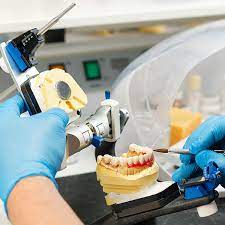
The rapid evolution of digital dentistry has created an exciting narrative: intraoral scanners that capture every detail, CAD/CAM systems that design within microns, and milling machines that produce restorations in a matter of hours. This image suggests a future where dental restorations can be fully automated—seamless, predictable, and free from human intervention.

While technology has unquestionably reshaped the industry, this narrative is only half true. Digital workflows have shortened production cycles, reduced errors, and enhanced accuracy, but they have not eliminated the need for human expertise. In fact, the very success of digital restorations depends on the trained judgment of skilled technicians who can interpret, refine, and perfect what algorithms alone cannot.


Dental restorations are not just mechanical parts; they are highly individualized medical devices designed to integrate with complex biological systems. A perfectly milled crown may still fail clinically if it does not align properly with occlusion, if its esthetics do not match surrounding teeth, or if it does not account for long-term wear. These are decisions that technology cannot make on its own.

The promise of full automation is compelling, but it remains a myth. In reality, the artistry of technicians remains central, ensuring that digital restorations are not just technically accurate but also clinically successful and esthetically natural.

2. Why Algorithms Alone Are Not Enough


CAD/CAM systems such as Exocad, 3Shape, or Dental Wings are remarkable tools. They can generate detailed designs with speed and precision that would have been unimaginable a decade ago. Yet, these systems still operate within defined parameters—they process data, but they cannot interpret clinical context.


For example, an algorithm can design a crown with perfect anatomical contours, but it cannot decide whether the occlusal contacts will create premature wear or patient discomfort. Similarly, software can suggest a shade, but it cannot fully replicate the subtle variations in translucency and texture that make teeth appear natural. These nuances require the trained eye and experienced judgment of a technician.

Consider also the complexity of patient-specific factors. Bruxism, bone density, soft tissue conditions, and even cultural expectations of esthetics all influence the final design of a restoration. Algorithms lack the capacity to weigh these variables. Only human expertise can balance the functional, biological, and emotional needs of the patient.

This is why algorithms alone are not enough. They are powerful assistants, but they must be guided and refined by human input. Without the artistry and judgment of technicians, digital restorations risk becoming sterile products—accurate in theory but lacking in clinical success or patient satisfaction.

3. The Artistry Behind Every Digital Restoration


At its core, a dental restoration is not a manufactured commodity; it is a personalized solution that must integrate seamlessly into the patient’s biology and esthetics. While CAD/CAM systems provide a highly accurate starting point, it is the artistry of skilled technicians that transforms a digital design into a clinically successful and emotionally satisfying restoration.


Esthetics is one of the clearest examples. A crown milled directly from software output may fit the prepared tooth precisely, but its appearance can often feel “flat” or artificial. Real teeth have subtle gradients of color, varying translucency, and micro-textures that algorithms struggle to replicate. A technician, drawing on years of experience, can layer ceramics, adjust contours, and polish surfaces to capture the vitality of natural dentition. This artistic intervention is what convinces a patient that the restoration is not just a replacement but a true part of their smile.

Function is another domain where artistry matters. Algorithms calculate occlusal contacts, but they cannot anticipate the dynamics of mastication or parafunctional habits such as bruxism. A technician can fine-tune occlusion, ensuring that the restoration distributes forces evenly and avoids premature wear. This prevents not only mechanical failure but also discomfort for the patient.

Even seemingly minor adjustments—rounding an incisal edge, softening a cusp tip, or refining a pontic’s emergence profile—can make a significant difference in both comfort and appearance. These refinements may not show in digital renderings, but they are immediately felt by patients once the restoration is placed.

The artistry behind digital restorations is therefore not ornamental—it is functional, biological, and psychological. Patients do not evaluate success solely by how accurately a restoration was milled. They judge it by how it looks in the mirror, how it feels when they chew, and how confident it makes them in social interactions. In every one of these areas, the technician’s artistry is irreplaceable.

4. VCAD’s Balance: Technology + Human Expertise


The real challenge for modern dental labs is not choosing between algorithms and artistry but creating a workflow where the two reinforce each other. At VCAD Dental Outsourcing Lab, this balance is at the heart of every case.

VCAD invests heavily in state-of-the-art CAD/CAM systems. Intraoral scans are processed using advanced software like Exocad and 3Shape, and restorations are milled with five-axis precision units capable of achieving micron-level accuracy. These tools ensure that the foundational design is precise, reproducible, and efficient. But the digital output is only the first step.

Every design is reviewed by an experienced team of technicians who bring clinical awareness and esthetic sensitivity into the process. They evaluate occlusion, check anatomical harmony, and refine contours that software may overgeneralize. When esthetics are paramount—as in anterior veneers or full-arch zirconia frameworks—technicians layer ceramics or modify surface textures to achieve natural esthetics that digital tools cannot replicate.

VCAD also integrates multi-tiered quality control where both digital validation and human inspection play a role. A crown that appears perfect in the CAD system still undergoes physical review before delivery. This ensures that subtle discrepancies are caught and corrected, eliminating the risk of remakes that frustrate both dentists and patients.

The combination of digital power and human artistry produces restorations that consistently meet the “triple standard”:

  • Accuracy from CAD/CAM precision.

  • Functionality from technician adjustments to occlusion and anatomy.

  • Esthetics from layered artistry that mimics natural teeth.


For dentists, this balance means fewer chairside adjustments, faster seating, and more predictable outcomes. For patients, it means restorations that not only function but also inspire confidence in their smile.

Importantly, VCAD’s model demonstrates that outsourcing does not dilute artistry—it amplifies it. By pairing global digital technology with the craftsmanship of trained technicians, VCAD ensures that clinics worldwide can deliver restorations that meet international expectations for quality and beauty.

In a world where many labs promote speed and automation, VCAD distinguishes itself by embracing the truth: algorithms are powerful, but artistry completes the picture. It is this synergy that allows VCAD to serve as a trusted partner to dentists and clinics across more than 20 countries, blending the best of human expertise with the precision of digital systems.

5. Conclusion: The Human Touch in a Digital World


Digital dentistry has undeniably transformed restorative workflows. Intraoral scanning, CAD/CAM software, and high-precision milling machines have accelerated production and improved baseline accuracy. Yet, despite the power of these algorithms, the human role remains essential. Restorations are not simply technical products; they are personal solutions that must integrate seamlessly with a patient’s biology and identity.


The artistry of skilled technicians ensures that every digital output is refined into a clinically successful and esthetically satisfying restoration. Their expertise in anatomy, occlusion, and shading transforms CAD/CAM designs from “accurate” to “lifelike.” Patients do not judge restorations by digital renderings; they evaluate them by how natural they look in the mirror and how comfortable they feel day after day. This distinction is where human judgment makes the difference.

At VCAD Dental Outsourcing Lab, technology and artistry are not competitors but collaborators. Advanced digital workflows provide consistency and efficiency, while technicians apply their experience to perfect the details that software cannot resolve. This partnership results in restorations that are predictable for dentists, comfortable for patients, and esthetically superior to machine-made products alone.

The future of restorative dentistry is not about algorithms replacing humans. It is about empowering humans with algorithms—giving technicians and dentists better tools to deliver smiles that inspire confidence. VCAD embodies this philosophy, proving that in the digital age, the human touch remains the foundation of trust, esthetics, and long-term patient satisfaction.

Contact us via:

Phone: (+84) 866 664 015

Email: support@vcaddental.com

Facebook: facebook.com/vcadoutsourcingdentallab


TikTok: tiktok.com/@vcaddentallab0


1. The Hidden Side of Digital Transformation


Digital dentistry is often portrayed as a story of progress: intraoral scanners replacing conventional impressions, CAD/CAM systems delivering crowns with micron-level precision, and cloud platforms enabling clinics to collaborate with outsourcing labs across continents. For clinicians, these technologies represent efficiency gains and improved accuracy. For patients, they often mean shorter treatment times and better esthetics.


Yet there is another layer to this transformation that is rarely discussed: the security of patient information. Every digital file generated in a dental workflow—whether it is an intraoral scan, an X-ray, or a CAD design—contains sensitive data tied to an individual’s health and identity. This information does not remain confined within the walls of a clinic. It travels through networks, cloud servers, and sometimes across borders when outsourcing is involved.

In this expanded ecosystem, the integrity and confidentiality of patient data become just as important as the quality of the final restoration. A misplaced or intercepted file is not only a technical failure but a breach of trust. Patients may accept minor discomfort during a procedure, but the idea of their personal health records being leaked or misused is far more damaging.

For dental professionals, recognizing this “hidden side” of digital transformation is no longer optional—it is a clinical, ethical, and business imperative. Without robust data protection, the promise of digital dentistry risks being overshadowed by vulnerabilities that could undermine both patient confidence and professional credibility.

2. Why Data Security Is Now a Clinical Priority


Trust is the currency of healthcare. In dentistry, patients often cannot evaluate the technical merits of a crown or an implant framework, but they can judge how safe they feel sharing their personal information. If a clinic cannot guarantee confidentiality, the entire relationship becomes fragile.

This is why regulators across the world have elevated data protection into a legal requirement. In the United States, the Health Insurance Portability and Accountability Act (HIPAA) sets strict standards for safeguarding patient health information. In Europe, the General Data Protection Regulation (GDPR) enforces even broader rules, holding clinics accountable for how data is collected, stored, and shared. Violations are met with heavy financial penalties and reputational damage that no practice can afford.

For dentists, this means that digital workflows must be evaluated not only on speed and precision but also on compliance and security. A clinic that sends patient scans over unsecured email or stores CAD files on unprotected local drives is exposing itself to risks. Even unintentional lapses can lead to data leaks, patient complaints, and regulatory scrutiny.

More importantly, patients themselves are becoming more aware of privacy issues. As healthcare becomes increasingly digital, they expect their dentists to handle personal data with the same care as their physical treatment. Clinics that fail to address this expectation risk losing patient trust, while those that demonstrate compliance and transparency stand out as reliable providers.

In short, data security has become a clinical priority because it directly affects the two things that matter most: patient trust and professional credibility. For modern dental practices, protecting patient information is no longer just an IT task—it is a cornerstone of clinical excellence.

3. The VCAD Approach to Secure Digital Workflows


At VCAD Dental Outsourcing Lab, data security is not treated as an afterthought—it is a core pillar of the digital workflow. Recognizing that every intraoral scan or CAD/CAM design carries both clinical and personal information, VCAD has built a protection framework that meets international standards and aligns with the expectations of global partners.


The approach begins with end-to-end encryption. All case files are transferred through secure, encrypted channels, ensuring that data cannot be intercepted or tampered with during transmission. This eliminates the vulnerabilities often seen when clinics rely on unsecured email or third-party file-sharing platforms.

VCAD also leverages certified cloud platforms to manage case submissions and design previews. These platforms are chosen for their compliance with HIPAA, GDPR, and ISO information security standards. By consolidating case management into a secure digital environment, VCAD reduces the risk of data fragmentation and uncontrolled file sharing.

Access control is another cornerstone. Within VCAD’s workflow, only authorized technicians directly involved in a case can access patient data. Permissions are tightly monitored, and audit trails record every action taken on a file. This transparency not only safeguards information but also allows clinics to demonstrate compliance in case of regulatory review.

The result is a secure, efficient system where clinics can submit cases, review designs, and receive restorations with confidence. For dentists, partnering with VCAD means not having to worry about hidden risks in the digital chain. For patients, it translates into the reassurance that their personal data is handled with the same care as their clinical treatment.

By embedding data security into every step of its digital workflow, VCAD positions itself not only as a technical partner delivering crowns and bridges but also as a compliance partner committed to protecting trust on an international scale.

4. Turning Security into Trust and Value


In the competitive world of modern dentistry, technology alone is not enough to win patient loyalty. Patients expect not only functional restorations but also assurance that their personal information is safe. This is where data security becomes more than an IT feature—it becomes a driver of trust and business value.


When a dentist can confidently explain that their outsourcing partner follows HIPAA, GDPR, CE, FDA, and ISO standards, patients see a practice that prioritizes safety as much as esthetics and precision. This assurance strengthens patient confidence, leading to higher acceptance of treatment plans and greater willingness to invest in long-term care.

For clinics, robust data protection also translates into tangible business advantages. By outsourcing to a lab like VCAD, practices minimize the risk of compliance violations that could result in financial penalties or reputational harm. They also reduce internal IT burdens—eliminating the need to build costly secure infrastructure in-house. Instead, they gain access to a ready-made system where encryption, access control, and audit trails are embedded into the workflow.

Beyond compliance, there is also a marketing dimension. Clinics that emphasize their partnership with a secure international lab differentiate themselves from competitors. They can highlight transparency, privacy, and patient-centered care as part of their brand message, appealing to a growing segment of patients who value both innovation and accountability.

Ultimately, security builds trust, and trust builds loyalty. By aligning with VCAD, dentists gain more than predictable restorations—they gain a foundation of reliability that patients notice, appreciate, and share within their networks. In today’s interconnected market, that trust is one of the most valuable assets a clinic can cultivate.

5. Conclusion: Security as the Foundation of Global Collaboration


Digital dentistry has revolutionized restorative care with CAD/CAM precision, cloud-based workflows, and international outsourcing. Yet without strong data protection, these innovations remain incomplete. True progress is not just faster crowns or bridges—it is the ability to deliver them while safeguarding patient trust.

VCAD Dental Outsourcing Lab understands that every case file represents more than a technical design—it represents a person’s identity, privacy, and confidence. By embedding encryption, secure cloud platforms, access controls, and audit trails into its operations, VCAD ensures that information is protected to the highest global standards.


For dentists, this means freedom to focus on clinical care, knowing that compliance risks are mitigated. For patients, it means peace of mind that their personal data is treated with the same professionalism as their treatment. For the dental industry as a whole, it sets a new benchmark: security as an integral part of quality.

From Vietnam to clinics worldwide, VCAD proves that digital outsourcing can combine efficiency, esthetics, and above all, trust. In the age of global collaboration, protecting patient information is not optional—it is the cornerstone of sustainable, patient-centered dentistry.

Contact us via:

Phone: (+84) 866 664 015

Email: support@vcaddental.com

Facebook: facebook.com/vcadoutsourcingdentallab


TikTok: tiktok.com/@vcaddentallab0
1. Introduction: Beyond Speed and Precision


When most dentists think about digital dentistry, two benefits immediately come to mind: speed and precision. CAD/CAM systems, intraoral scanners, and 3D printers have transformed workflows that once took weeks into processes completed in just a few days. Crowns, bridges, and implant frameworks now arrive with micron-level accuracy that reduces chairside adjustments and improves efficiency.


Yet the true impact of digital dentistry goes beyond technical performance. In today’s competitive landscape, patient experience is just as important as clinical outcomes. Patients do not simply want functional restorations—they want to feel confident in their treatment, understand the process, and trust their dentist fully.

This is where digital workflows become a powerful tool for building patient trust. By offering transparency, visualization, and consistency, technology makes patients feel like active participants in their treatment journey rather than passive recipients. For clinics, this shift translates into stronger relationships, higher acceptance rates for treatment plans, and long-term loyalty.

VCAD Dental Outsourcing Lab plays a crucial role in enabling this transformation. By providing CAD/CAM precision, design previews, and internationally certified materials, VCAD empowers dentists to deliver not only excellent restorations but also an elevated patient experience—one that inspires confidence and satisfaction.

2. Transparency Builds Confidence


One of the biggest challenges in traditional dentistry is the lack of visibility. Patients often have little idea of what happens between the impression stage and the final restoration delivery. They are asked to trust the process without fully understanding it, which can lead to uncertainty and hesitation.


Digital dentistry changes this dynamic by making the entire process transparent and collaborative. For example:

  • Digital scanning replaces messy impression materials with quick, comfortable intraoral scans that patients can see immediately on screen.

  • 3D design previews allow dentists, with support from VCAD, to show patients a digital model of their future crown, bridge, or implant-supported restoration before production even begins.

  • Treatment simulations help patients visualize not only function but also esthetics, giving them a clear picture of their future smile.


This visibility transforms the patient experience. Instead of feeling like outsiders, patients become part of the decision-making process. They can ask questions, request adjustments, and confirm that the proposed restoration meets their expectations.

The result is a higher level of trust. Patients who see the digital workflow firsthand are far more likely to approve treatment plans, comply with recommendations, and recommend the clinic to others. By integrating VCAD’s digital previews and CAD/CAM design support, clinics can demonstrate both technical expertise and transparency, creating a strong foundation for patient confidence.

3. Visualization Reduces Anxiety


For many patients, the greatest barrier to starting restorative treatment is uncertainty. They often ask themselves: “What will my smile look like? Will the crown match my natural teeth? What if the result feels unnatural?” Such doubts can delay acceptance of treatment plans or cause unnecessary anxiety throughout the process.


Digital dentistry directly addresses these concerns through visualization tools that make outcomes clear before any work begins.

  • Digital mock-ups allow dentists, with the support of VCAD’s CAD/CAM team, to create realistic simulations of the final restoration. Patients can see their own teeth digitally transformed, which makes the proposed changes far easier to understand.

  • Color-matching and shade analysis tools ensure esthetic alignment. Patients no longer need to “hope” that their crown or veneer will blend naturally—the digital preview demonstrates it in advance.

  • Virtual adjustments can be made instantly based on patient feedback. If a patient feels the proposed tooth shape is too long or the shade too bright, changes can be applied in seconds.


These visualization tools provide reassurance that traditional methods simply cannot offer. Patients no longer walk into the procedure blindfolded; instead, they can picture the final result and approve it before treatment begins.

For clinics, the benefits are twofold: reduced chairside anxiety and greater treatment plan acceptance rates. When patients are confident about the esthetic outcome, they are more willing to proceed quickly and with trust.

By partnering with VCAD, clinics can seamlessly integrate digital previews into their workflow. Every design generated by VCAD can be shared digitally with both dentist and patient, bridging communication gaps and making the treatment journey transparent. This collaborative process not only reduces patient anxiety but also strengthens the clinic’s reputation as a provider of patient-centered, high-tech care.

4. Trust Through Consistency and Quality


Transparency and visualization may win patient approval initially, but long-term trust comes from consistent outcomes. Patients judge not just the promise of digital dentistry but also the reliability of results: Does the crown fit comfortably? Does the color remain stable? Does the restoration last as long as expected?

VCAD addresses these expectations with a combination of advanced technology and rigorous quality control:

  • Micron-level CAD/CAM accuracy: Restorations milled at VCAD consistently require fewer adjustments chairside. This saves both dentist and patient valuable time, reinforcing confidence in the lab’s capabilities.

  • Three-tier quality control system: Every case goes through design validation, production monitoring, and final inspection. This multilayered process minimizes errors and ensures predictable outcomes.

  • Certified materials: All zirconia, E.max, and implant frameworks are sourced from CE, FDA, and ISO-approved suppliers. Patients may not always understand the technical details, but they recognize and value these certifications as proof of safety and durability.

  • Consistency across cases: Whether it is a single crown or a full-arch implant restoration, VCAD maintains the same level of accuracy, esthetics, and delivery speed.


For patients, this consistency translates into confidence in their dentist. They notice that their restorations are comfortable, esthetically pleasing, and delivered on time. Over multiple visits, the reliability of results builds strong patient loyalty, which benefits the clinic’s long-term growth.

For dentists, partnering with VCAD means being able to deliver predictable outcomes every time. When a clinician knows they can trust the lab, they can confidently reassure patients and focus on providing excellent chairside care.

Ultimately, patient trust is not built on promises alone—it is built on repeated positive experiences. By combining cutting-edge CAD/CAM workflows with global-standard materials and strict QC, VCAD ensures that clinics can provide the consistency patients demand. This reliability transforms one-time visitors into long-term advocates, strengthening both the clinic’s reputation and its business performance.

5. Conclusion: Patient-Centered Dentistry with VCAD


In modern dentistry, technology is often celebrated for its speed and precision. But for patients, what truly matters is how technology shapes their experience and trust in the clinic. Digital workflows transform the patient journey from one of uncertainty to one of confidence, creating transparency at every stage and ensuring outcomes that meet expectations.

By integrating digital scanning, CAD/CAM design previews, and visualization tools, dentists can involve patients directly in the restorative process. Instead of feeling like passive recipients, patients become active participants who see, understand, and approve their treatment plan. This sense of control reduces anxiety, builds reassurance, and enhances overall satisfaction.

Consistency is the second cornerstone of trust. Patients quickly recognize when their restorations are delivered on time, fit comfortably, and look natural. Each successful outcome strengthens their loyalty, not just to their dentist but also to the lab that powers the results. With VCAD, clinics can rely on a partner that combines internationally certified materials, strict quality control, and advanced CAD/CAM technology to deliver reliable results across every case.

Ultimately, dentistry is not only about treating teeth—it is about caring for people. A patient-centered approach requires more than technical excellence; it requires trust. With VCAD as a strategic outsourcing partner, clinics can offer both: restorations that are technically flawless and an experience that makes patients feel valued, informed, and confident.

From Vietnam to the world, VCAD empowers dentists to deliver care that is transparent, consistent, and trusted—building smiles that last, and relationships that endure.

Contact us via:

Phone: (+84) 866 664 015

Email: support@vcaddental.com

Facebook: facebook.com/vcadoutsourcingdentallab


TikTok: tiktok.com/@vcaddentallab0
1. Introduction: A Global Vision from Vietnam


The dental industry is evolving into a truly global network, where laboratories must meet international standards to participate in cross-border collaborations. Dentists today expect more than functional restorations—they demand esthetics, durability, and precision that align with the best practices worldwide. For dental labs, this means competing not only locally but also on a global stage.


VCAD Dental Outsourcing Lab, founded in Vietnam, entered the market with this vision in mind. Rather than limiting itself to domestic clients, VCAD aimed to become a partner for dentists and labs across multiple countries. Today, VCAD delivers restorations to 20+ international markets, ranging from Asia to Europe and North America.

This success did not happen overnight. It required building a foundation of international certifications, adopting digital CAD/CAM technology, and implementing strict quality controls. This blog explores VCAD’s journey—how a dental lab from Vietnam positioned itself as a trusted outsourcing partner worldwide, offering clinics both high quality and cost efficiency.

2. Building International Standards at Home


For any dental lab aspiring to reach international markets, the first step is meeting global compliance standards. From the outset, VCAD made a deliberate choice: instead of chasing short-term savings with low-cost materials, it invested in processes and certifications that align with the most demanding regulatory frameworks.


  • Certified Materials: Every restoration is crafted using CE, FDA, and ISO-certified materials. This ensures biocompatibility, durability, and safety—qualities that international dentists and patients demand.

  • Digital CAD/CAM Workflow: VCAD integrates platforms such as Exocad and 3Shape, combined with five-axis milling machines and 3D printing technologies. This results in restorations with micron-level accuracy, reducing remakes and chairside adjustments for clinics.

  • Three-Tier Quality Control: Quality is verified at three stages—initial design validation, in-process monitoring during milling and sintering, and final inspection before shipping. This guarantees that every crown, bridge, or full-arch framework meets predictable clinical standards.


By establishing these standards locally in Vietnam, VCAD positioned itself as more than just a cost-saving outsourcing option. It became a globally reliable partner capable of delivering premium zirconia, E.max, and implant restorations at the same level as established labs in the US or Europe.

This strategic foundation gave VCAD the credibility to expand internationally, proving that a Vietnamese dental lab can meet—and exceed—the expectations of global markets.

3. Expanding Beyond Vietnam: Serving 20+ Countries


Once VCAD established its foundation of international standards, the next step was clear: expanding its reach beyond Vietnam. Today, VCAD provides restorations to 20+ countries, including markets in Asia, Europe, and North America. This expansion did not happen by chance—it was the result of strategic positioning and consistent delivery of quality.

Competitive Advantages Driving Expansion

  • Cost Efficiency Without Compromise: VCAD offers restorations that meet CE/FDA/ISO standards at costs significantly lower than labs in the US or Europe. This makes VCAD an attractive option for clinics seeking predictable quality at competitive prices.

  • Fast Turnaround: Thanks to advanced CAD/CAM workflows and optimized logistics, VCAD can deliver a single-unit zirconia crown in just 2–3 days, or a full-arch restoration in 5–7 days. This efficiency often exceeds the performance of labs located much closer to the client.

  • Bilingual Support: With communication available in both English and Vietnamese, VCAD makes collaboration seamless. Clear communication ensures that clinical instructions are understood correctly, reducing the risk of errors.


Case Study: A Singapore Partnership
One prosthodontist in Singapore outsourced a full-arch zirconia case to VCAD. Within just five days, the restoration was delivered and seated successfully. The dentist reported minimal adjustments and a highly satisfied patient. This success story helped VCAD strengthen its reputation not just in Singapore but across the broader Southeast Asian region.

Building Trust with International Clients
Outsourcing requires trust. International clinics must be confident that their patients will receive restorations of the highest quality. VCAD earned this trust by maintaining strict quality control, transparent communication, and consistent on-time delivery. As a result, the lab now serves as a partner for clinics that demand both cost efficiency and global-standard outcomes.

In an increasingly interconnected dental industry, VCAD demonstrates that geographic location is no longer a barrier. With the right systems and standards, a lab from Vietnam can provide restorations that compete head-to-head with established players in developed markets.

4. Brand Positioning: VCAD as Vietnam’s Global Dental Lab


While expansion into multiple countries is impressive, long-term success depends on brand positioning. VCAD has deliberately positioned itself as more than just another outsourcing lab—it is Vietnam’s global dental lab, a brand that combines local strengths with international credibility.

  1. Trusted Partner for Dentists and Clinics
    VCAD’s approach is collaborative rather than transactional. Every case involves transparent communication, digital previews for approval, and direct support for clinicians. By acting as an extension of the dentist’s team, VCAD builds relationships based on trust and predictability.

  2. Premium Esthetics and Durability
    Modern patients demand restorations that are both natural-looking and long-lasting. VCAD delivers on this expectation through:


  • Multilayer Zirconia for strength and lifelike translucency.

  • E.max for esthetic veneers and anterior cases.

  • Implant frameworks engineered with biomechanical precision.
    By offering this range, VCAD enables clinics to meet diverse clinical needs while maintaining consistent quality.


  1. Reliable Outsourcing Hub in Southeast Asia
    Located in Vietnam, VCAD enjoys unique advantages:


  • Lower production costs compared to Western labs.

  • Faster logistics for regional markets in Asia.

  • A central hub capable of serving both local clinics and international partners.
    This combination makes VCAD an ideal outsourcing hub for clinics seeking both efficiency and international standards.


  1. Global Reputation Through Consistency
    Brand reputation is not built overnight—it grows through consistency. By maintaining CE/FDA/ISO certification, applying CAD/CAM workflows, and implementing three-tier quality control, VCAD has earned recognition from clinics worldwide. Each successful case strengthens the brand as a reliable global partner.

  2. Vision for the Future
    VCAD’s ambition is to become one of the top outsourcing dental labs in Asia, with services trusted not only in regional markets but across the globe. By continuing to invest in technology, certifications, and customer relationships, VCAD is positioning itself as a leader in the future of digital dentistry.


Positioning Statement
VCAD is not just a lab from Vietnam—it is a global dental partner that combines cost efficiency, speed, and international standards. This positioning ensures that clinics worldwide view VCAD not as a secondary option, but as a primary strategic partner for their restorative workflows.

Through this brand identity, VCAD embodies the message: “From Vietnam to the world, delivering dental restorations that inspire trust and excellence.”

5. Conclusion: From Local Strength to Global Trust


The success of VCAD Dental Outsourcing Lab illustrates a broader truth: a company built on strong foundations at home can rise to become a trusted global partner. Starting in Vietnam, VCAD focused on quality, certification, and digital precision rather than short-term gains. That commitment has paid off, enabling the lab to expand into 20+ international markets while maintaining the trust of both local and overseas clinicians.

For Vietnamese clinics, VCAD provides access to world-class restorations without the cost of building an in-house lab. For international partners, it delivers competitive pricing, fast turnaround, and consistent quality backed by CE, FDA, and ISO certifications. This combination makes VCAD more than just a service provider—it is a strategic partner in modern dentistry.


Looking ahead, VCAD’s ambition is clear: to position Vietnam as a hub of excellence for digital dental outsourcing. With continuous investment in CAD/CAM technology, skilled technicians, and global partnerships, VCAD is ready to set new benchmarks in efficiency, esthetics, and reliability.

From Vietnam to the world, VCAD proves that global trust can be built on local strength—delivering dental solutions that empower clinics, elevate patient care, and reinforce Vietnam’s reputation in the international dental industry.

Contact us via:

Phone: (+84) 866 664 015

Email: support@vcaddental.com

Facebook: facebook.com/vcadoutsourcingdentallab


TikTok: tiktok.com/@vcaddentallab0
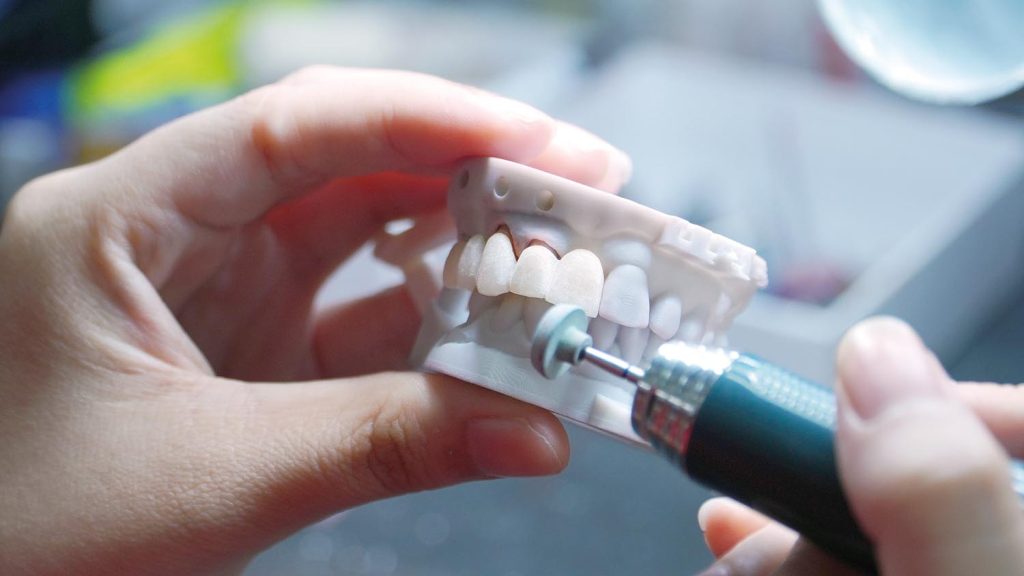
1. Introduction: The Dilemma Every Clinic Faces


Every dental clinic eventually encounters a crucial decision: should it build an in-house dental laboratory or outsource cases to a specialized partner? At first glance, running an internal lab seems attractive. It offers full control over the process, immediate communication with technicians, and the possibility of tailoring restorations on demand. For some large, well-funded clinics, this approach may seem like the path to independence.


However, behind this perceived autonomy lie significant financial, technical, and operational challenges. In-house labs demand heavy investments in equipment, skilled staff, and ongoing maintenance. They also require management oversight, which can distract dentists from their core responsibility: providing patient care.

Outsourcing dental laboratory work, on the other hand, has emerged as a global trend. Clinics in the United States, Europe, and Asia are increasingly relying on outsourcing to save costs, gain access to cutting-edge CAD/CAM technology, and ensure predictable quality. For Vietnamese clinics in particular, outsourcing is more than a convenient option—it is a strategic move to compete at an international level without taking on unnecessary financial risk.

This blog will compare the two approaches—in-house vs. outsourcing—to help clinics determine which path delivers greater efficiency, profitability, and patient satisfaction. And as we will see, outsourcing with VCAD Dental Outsourcing Lab provides a unique balance of international quality and local accessibility.

2. The Hidden Costs of Running an In-House Lab


On paper, an in-house dental lab gives clinics full control over the restorative process. Yet in reality, the hidden costs quickly add up, creating financial strain and operational headaches.

High Initial Investment
To establish even a modest digital lab, a clinic must purchase an intraoral scanner, a CAD/CAM milling unit, and a sintering furnace. Combined, this setup often exceeds $100,000—and that figure does not include software licenses or 3D printing systems. For small and medium-sized clinics, this level of capital expenditure is often unrealistic.

Ongoing Maintenance and Upgrades
Dental technology evolves rapidly. Milling machines require regular servicing, software licenses must be renewed, and new versions of CAD/CAM platforms demand additional training. These recurring costs can erode profit margins, especially for clinics with fluctuating case volumes.

Staffing and Training Challenges
Running an in-house lab also means hiring and retaining skilled dental technicians. Recruiting top talent is expensive, and turnover rates in the industry are high. Every new hire requires months of training before reaching proficiency, adding to both cost and time. When technicians leave, workflow disruptions can delay cases and damage patient trust.

Risk of Underutilization
Even if a clinic invests heavily in equipment and staff, the lab may not operate at full capacity. Periods of low patient volume result in expensive machines sitting idle, turning what should be an asset into a financial liability.

Ultimately, the apparent control of an in-house lab comes at the cost of financial inflexibility, ongoing risk, and managerial distraction. While large dental centers may justify the expense, most clinics will find that the drawbacks outweigh the benefits.

3. Why Outsourcing Saves Time and Money


While in-house labs lock clinics into high fixed costs and operational risks, outsourcing introduces flexibility, predictability, and efficiency. This is why outsourcing has become the smarter choice for clinics worldwide.


Pay-Per-Case Model
Instead of sinking over $100,000 into equipment, clinics that outsource only pay for what they use. Each crown, bridge, or implant restoration comes with a predictable fee, allowing clinics to manage budgets without the weight of depreciation, maintenance, or idle machines.

No Maintenance Burden
With outsourcing, the lab partner handles equipment upkeep, software upgrades, and staff training. Clinics no longer need to worry about whether their milling machine is due for servicing or whether their technician is familiar with the latest Exocad update. This saves both money and management time.

Faster Turnaround Times
A well-structured outsourcing partner like VCAD Dental Outsourcing Lab can deliver:

  • Single-unit crowns in 2–3 days.

  • Full-arch zirconia frameworks in 5–7 days.
    This efficiency means dentists can plan appointments with confidence and reduce waiting times for patients—a critical factor in patient satisfaction.


Less Chairside Adjustment
Every dentist knows the frustration of receiving a crown that doesn’t fit properly. Remakes and adjustments eat into valuable chair time and frustrate patients. Outsourcing to a lab with strict three-tier quality control minimizes these problems. Restorations arrive accurate, esthetic, and ready to seat, saving hours each week.

Focus on Core Strengths
Dentists are not lab managers. Their expertise lies in diagnosis, treatment planning, and patient care. By outsourcing, clinics can reallocate energy away from managing technicians and troubleshooting equipment, and toward building stronger patient relationships and expanding services.

In short, outsourcing replaces unpredictable, fixed costs with scalable, flexible solutions. It saves both time and money, enabling clinics to grow sustainably.

4. VCAD: The Best of Both Worlds


Outsourcing is not all equal. While many labs claim to offer speed or low prices, only a few combine international quality with local advantages. VCAD Dental Outsourcing Lab stands out as a partner that delivers both.


  1. Certified International Standards
    VCAD uses only CE, FDA, and ISO-certified materials. For clinics, this ensures restorations are safe, durable, and esthetically excellent—meeting the same standards demanded in Europe and North America.

  2. Advanced Digital Workflow
    Every case is processed through CAD/CAM systems and 3D printing technology. From Exocad/3Shape design to five-axis milling and high-temperature zirconia sintering, VCAD ensures micron-level precision. This level of accuracy means fewer remakes, less chairside grinding, and happier patients.

  3. Three-Tier Quality Control
    Unlike many local labs that check restorations only at the end, VCAD applies QC at three stages:


  • Design validation before production.

  • In-process monitoring during milling and finishing.

  • Final inspection for fit, occlusion, and esthetics.
    This systematic approach guarantees predictable outcomes, case after case.


  1. Geographic Advantage in Vietnam
    Partnering with an international lab often involves higher shipping costs and longer turnaround. VCAD eliminates this problem:


  • Fast logistics for clinics in Vietnam.

  • Lower costs than offshore labs.

  • Bilingual support (Vietnamese & English) to ease communication.


  1. Trusted by Global Partners
    VCAD is not only serving Vietnamese clinics—it delivers to 20+ countries worldwide. For local dentists, this means every case is produced to the same standards demanded by international clients. Testimonials from overseas clinicians highlight VCAD’s consistency and reliability.

  2. Balanced Value: Cost + Quality
    Many dentists fear that outsourcing means sacrificing either speed or quality. With VCAD, clinics do not have to choose:


  • Costs are reduced through the pay-per-case model.

  • Quality is assured through certified materials and digital workflows.

  • Turnaround remains fast thanks to local operations and streamlined logistics.


“Since partnering with VCAD, my clinic has reduced lab costs by 35% while improving patient satisfaction with faster, more aesthetic restorations,” shared a dentist from Ho Chi Minh City.

This testimonial reflects what makes VCAD unique: it gives clinics access to the efficiency of outsourcing without losing the trust of international quality.

By choosing VCAD, clinics truly get the best of both worlds—the scalability and affordability of outsourcing, combined with the precision and reliability of an international-standard dental lab.

5. Conclusion: Making the Smarter Choice


Running an in-house dental lab can appear attractive at first—greater control, immediate feedback, and the impression of independence. But when the hidden costs, staffing challenges, and operational risks are considered, it becomes clear that this model is unsustainable for most clinics. High equipment investment, ongoing maintenance, and the danger of underutilized machines often outweigh the perceived benefits.

By contrast, outsourcing offers flexibility, cost savings, and reliability. With a pay-per-case model, predictable turnaround times, and access to international-standard materials, outsourcing transforms laboratory work from a financial burden into a strategic advantage.

Contact us via:

Phone: (+84) 866 664 015

Email: support@vcaddental.com

Facebook: facebook.com/vcadoutsourcingdentallab


TikTok: tiktok.com/@vcaddentallab0


For clinics in Vietnam, the choice is even clearer. VCAD Dental Outsourcing Lab bridges the gap between global quality and local accessibility. With CAD/CAM workflows, CE/FDA/ISO-certified materials, and three-tier quality control, VCAD delivers restorations that are fast, precise, and esthetically excellent.

The smarter choice is not about giving up control—it’s about choosing a partner that empowers clinics to focus on patients while ensuring every restoration meets world-class standards. With VCAD, outsourcing becomes the key to sustainable growth, efficiency, and patient satisfaction.

REQUEST A TRIAL ORDER

Request Sample Case VCAD