
Blog

1. Introduction: Efficiency as the New Competitive Edge


In modern dentistry, efficiency is no longer optional—it is the foundation of sustainable growth. Patients expect shorter waiting times, higher esthetic quality, and treatment plans that fit their schedules. Meanwhile, dental practices are under constant pressure from rising costs, workforce shortages, and the demand to adopt digital technologies.


Traditionally, clinics have managed these challenges by investing in their own in-house dental laboratories. However, this approach requires significant capital, specialized staff, and ongoing maintenance—all of which can reduce profitability and create operational bottlenecks.

This is where outsourcing dental labs comes into play. By partnering with specialized outsourcing providers, clinics can streamline their workflow, reduce costs, and deliver high-quality restorations without the burden of running an internal lab. For Vietnamese clinics in particular, outsourcing represents not only a cost-saving measure but also a way to compete at the international level.

As global trends shift toward outsourcing in dentistry, clinics that embrace this model early will gain a decisive edge in efficiency, patient satisfaction, and overall competitiveness.

2. Cutting Costs Without Sacrificing Quality


The cost of setting up an in-house dental lab is daunting. Purchasing a scanner, milling unit, and furnace alone can exceed $100,000, not including maintenance, software licenses, and technician training. For most clinics, this heavy investment is difficult to justify, especially when patient volume fluctuates.


Beyond equipment costs, clinics face recurring expenses: salaries for skilled technicians, materials procurement, and the risk of underutilized machines. These fixed costs can erode profitability and tie up valuable capital that could otherwise be invested in patient care or business expansion.

Outsourcing offers a smarter alternative. By adopting a pay-per-case model, clinics pay only for the restorations they need. There is no requirement for large upfront investment, no hidden maintenance costs, and no financial risk associated with idle equipment.

At the same time, outsourcing does not mean compromising on quality. Leading outsourcing labs, such as VCAD Dental Outsourcing Lab, use CE, FDA, and ISO-certified materials combined with CAD/CAM precision. This guarantees that clinics receive restorations that are both durable and esthetically superior.

The result is simple but powerful: clinics can reduce operational expenses by 30–40% while still delivering international-standard outcomes to their patients. In a competitive market, this combination of cost savings and uncompromised quality is what enables sustainable growth.

3. Saving Time and Streamlining Workflow


Time is one of the most valuable resources in a dental practice. Every additional hour spent troubleshooting lab issues, adjusting poorly fitting restorations, or chasing after technicians represents lost opportunities for patient care. This inefficiency not only creates stress for dentists and staff but also affects patient satisfaction and clinic profitability.

Outsourcing to a specialized lab transforms this equation. Instead of managing a complex internal system, clinics can rely on streamlined, predictable workflows.

Digital Case Submission
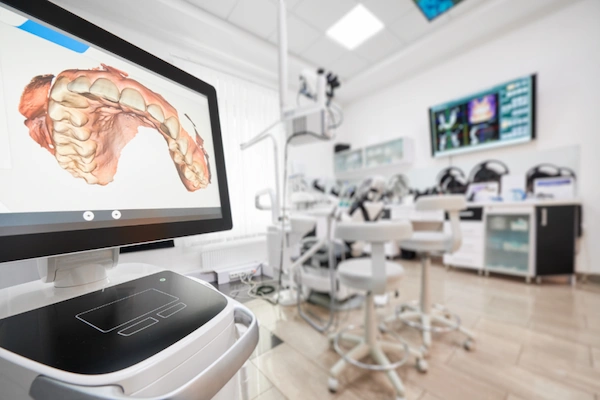
With digital dentistry, the process begins with an intraoral scan or digital impression. Files are uploaded to the lab’s secure online portal in minutes. For example, VCAD Dental Outsourcing Lab offers a user-friendly submission system that ensures instant confirmation, minimizing errors and delays associated with traditional impression shipping.

CAD/CAM Precision and Turnaround
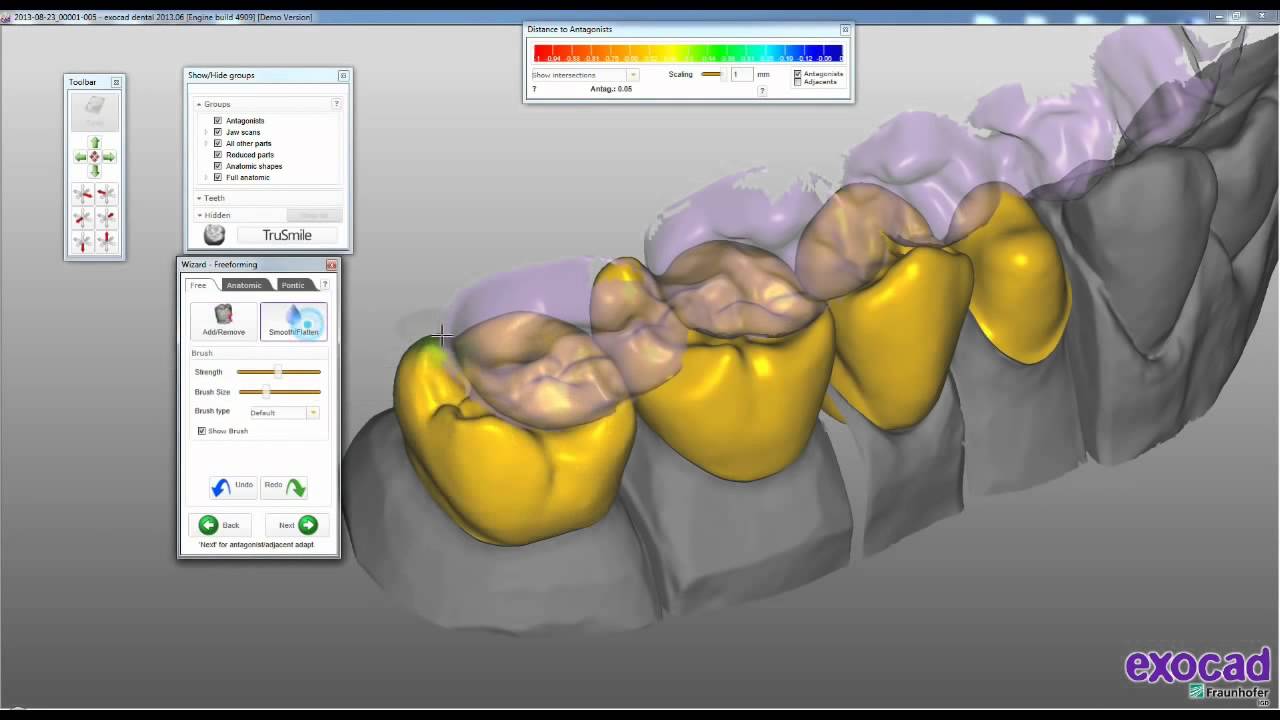
Once received, cases are processed through CAD/CAM software such as Exocad and 3Shape. Technicians design restorations with micron-level accuracy and share previews for dentist approval. This collaborative step reduces the chance of miscommunication and ensures that the final product aligns with both clinical and esthetic goals.

Turnaround times are significantly faster:

  • Single-unit crowns can be completed within 2–3 days.

  • Full-arch zirconia frameworks may take 5–7 days, compared to several weeks in traditional systems.


Reduced Remakes and Chairside Adjustments
One of the biggest time sinks for dentists is dealing with remakes. Poor fit, occlusal discrepancies, or esthetic mismatches require additional appointments and adjustments. With outsourcing labs like VCAD that implement strict three-tier quality control, remakes are minimized. That means less chairside grinding, fewer patient complaints, and a smoother overall workflow.

Scheduling Flexibility and Patient Flow
Outsourcing also brings predictability. Knowing when a restoration will arrive allows clinics to schedule follow-up appointments with confidence. This predictability translates into smoother patient flow, fewer reschedules, and better use of clinical resources.

Ultimately, outsourcing allows dentists to focus on dentistry, not lab management. By shifting time-consuming technical work to a reliable partner, clinics can dedicate more hours to patient care, consultations, and growth-oriented activities.

4. How VCAD Helps Clinics Scale


While cost savings and time efficiency are immediate benefits of outsourcing, the true strategic advantage lies in scalability. A clinic that partners with the right outsourcing lab can expand its service offerings, increase patient volume, and elevate its brand reputation—all without proportionally increasing overhead.


Expanding Clinical Capabilities
Many smaller or mid-sized clinics limit themselves to basic restorations due to lack of in-house expertise or technology. By outsourcing to VCAD, clinics can confidently take on advanced cases, including implant-supported crowns, full-arch zirconia rehabilitations, and complex esthetic veneers. This ability to treat a wider range of cases attracts new patients and differentiates the clinic in a crowded market.

Increasing Case Volume Without Adding Staff
Scaling often means hiring additional technicians or clinical staff—an expensive and risky move. With outsourcing, clinics can handle more cases without adding headcount. VCAD’s CAD/CAM systems and production capacity ensure that even during peak demand, cases are processed efficiently and delivered on time.

Enhancing Reputation and Patient Trust
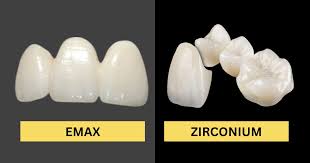
Patients today are informed and selective. They seek clinics that deliver not only functional but also highly esthetic restorations. VCAD’s use of multilayer zirconia, E.max, and CE/FDA/ISO-certified materials guarantees restorations that look natural and last long. When patients receive consistent, high-quality outcomes, they become loyal advocates, driving referrals and strengthening the clinic’s reputation.

Reducing Risk While Growing Revenue
Scaling with in-house labs carries financial risks: high equipment costs, uncertain return on investment, and vulnerability to technician turnover. Outsourcing shifts these risks to the lab partner. Clinics can grow revenue by handling more cases while keeping costs variable and manageable. This flexibility is critical for navigating uncertain market conditions.

Testimonials from Global Partners
International clinics already outsourcing to VCAD report measurable benefits. A prosthodontist in Singapore shared: “With VCAD, I expanded my practice to include full-arch cases I previously avoided. The restorations are predictable, and my patients are happier than ever.”

This type of feedback illustrates how outsourcing is not just about efficiency—it’s about unlocking new growth opportunities.

A Strategic Partnership, Not Just a Vendor Relationship
What sets VCAD apart is its approach to collaboration. Instead of acting as a distant vendor, VCAD positions itself as an extension of the clinic’s team. From case planning to design approval and final delivery, communication remains transparent and responsive. For clinics looking to scale sustainably, this type of partnership is invaluable.

By integrating outsourcing into their business model, clinics in Vietnam and beyond can scale operations in a way that is flexible, efficient, and future-proof. With VCAD as a partner, growth is no longer limited by lab capacity or technical constraints—it becomes a matter of strategic choice.

5. Conclusion: Efficiency through Partnership


Clinic efficiency is not determined solely by clinical skills—it depends on how well every part of the workflow is managed. In today’s competitive dental landscape, practices that continue to rely on in-house labs face mounting financial and operational pressures. Outsourcing dental laboratory work offers a powerful alternative.

By reducing upfront investment, streamlining digital workflows, and ensuring predictable turnaround times, outsourcing allows dentists to focus on what matters most: patient care. With partners like VCAD Dental Outsourcing Lab, clinics gain access to CAD/CAM precision, CE/FDA/ISO-certified materials, and strict quality control systems that guarantee consistent outcomes.

The results are clear:

  • Lower costs without compromising quality.

  • Faster workflows and less time spent on remakes or adjustments.

  • Greater scalability, enabling clinics to handle complex cases and expand their services.


For clinics in Vietnam and internationally, partnering with VCAD means transforming outsourcing from a tactical choice into a strategic growth driver. Efficiency, profitability, and patient satisfaction are no longer competing priorities—they align when the right lab partner is in place.

Contact us via:

Phone: (+84) 866 664 015

Email: support@vcaddental.com

Facebook: facebook.com/vcadoutsourcingdentallab


TikTok: tiktok.com/@vcaddentallab0
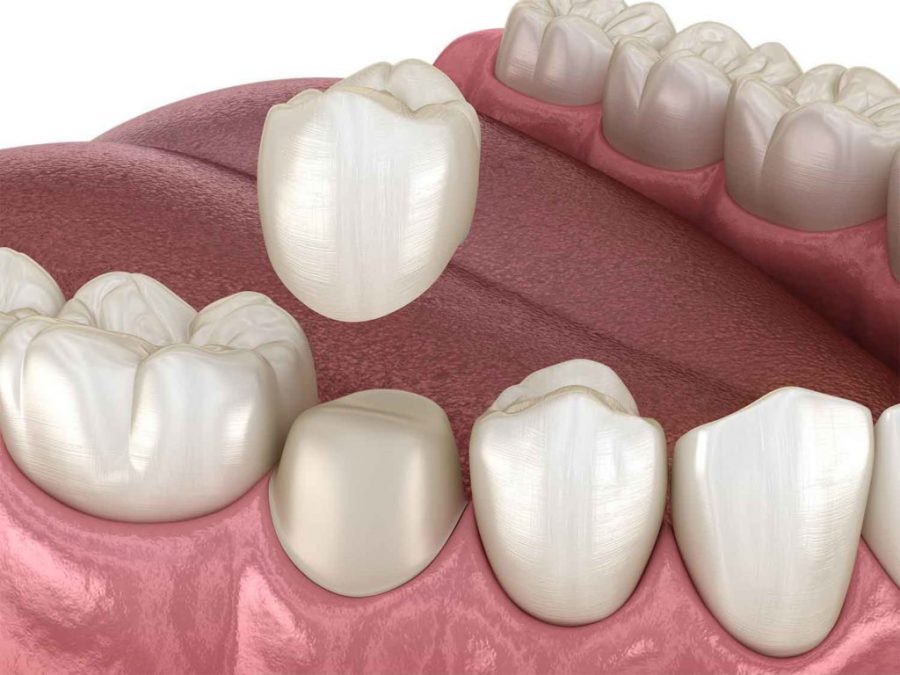
1. Introduction: Why Outsourcing is Reshaping Dentistry


The dental industry is experiencing a profound transformation. Rising operational costs, rapid advances in CAD/CAM technology, and growing patient demand for esthetic restorations are reshaping how clinics deliver care. In this new environment, outsourcing dental laboratory services has emerged as a strategic solution adopted by clinics worldwide.


Rather than investing heavily in in-house milling machines, furnaces, and technician training, clinics are choosing to collaborate with specialized outsourcing labs. This model allows them to access advanced technologies, certified materials, and skilled technicians without carrying the financial and logistical burden of maintaining their own laboratory.

For dental practices in Vietnam, where demand for implants and premium restorations is increasing rapidly, outsourcing is more than a cost-saving strategy—it is an opportunity to elevate services to international standards. By connecting with outsourcing partners such as VCAD Dental Outsourcing Lab, Vietnamese clinics can stay competitive in both the local and global marketplace.

2. The Global Shift to Outsourcing Dental Labs


In established markets such as the United States and Europe, outsourcing dental lab services has become the norm rather than the exception. Industry surveys show that over 60% of clinics rely on outsourcing partners to handle complex restorative cases—including full-arch implant frameworks, multilayer zirconia crowns, and E.max esthetic restorations.

This shift is driven by three main factors:

  • High capital investment: Building an in-house lab often requires more than $100,000 in equipment costs, not including ongoing maintenance and software updates.

  • Skilled labor shortages: Recruiting and retaining trained technicians has become increasingly difficult, with turnover and training costs rising year after year.

  • Time pressures: With patient expectations higher than ever, clinics cannot afford delays. Outsourcing offers predictable turnaround times and frees clinical staff to focus on patient care.


As a result, outsourcing has evolved from being seen as a backup solution into a mainstream business model. Clinics worldwide now view outsourcing not only as a way to reduce expenses but also as a strategy to deliver higher quality outcomes and scale their services more effectively.

For Vietnamese clinics observing these global trends, the opportunity is clear: adopting outsourcing early allows them to align with international best practices while gaining a competitive edge in the domestic market.

3. Opportunities for Vietnamese Clinics


Vietnamese dentistry is entering a phase of rapid growth. Patient demand for implant treatments, premium esthetic crowns, and full-arch restorations has never been higher. Yet many clinics face common obstacles: limited capital investment, shortage of skilled CAD/CAM technicians, and the challenge of keeping up with international standards.


Outsourcing presents a clear solution to these challenges. By collaborating with a specialized outsourcing lab, Vietnamese clinics can:

  • Access advanced technology without heavy investment
    Setting up an in-house digital lab requires purchasing scanners, milling units, sintering furnaces, and 3D printers—an investment easily surpassing $100,000. For small and medium-sized clinics, this cost is prohibitive. Outsourcing allows them to leverage the latest CAD/CAM systems and zirconia/E.max workflows on a pay-per-case model.

  • Reduce financial and operational risk
    Instead of tying capital into equipment and technician salaries, clinics only pay for the cases they need. This flexibility transforms fixed costs into variable costs, giving clinics more control over cash flow.

  • Improve service quality and patient satisfaction
    With outsourcing, dentists can confidently promise restorations that are CE/FDA/ISO certified, esthetically superior, and delivered within predictable timelines. This reliability translates directly into higher patient trust and stronger clinic reputation.

  • Expand treatment capacity
    Clinics that once limited themselves to basic restorations due to technical constraints can now handle complex implant or full-arch cases. By outsourcing to a global-standard lab, even smaller clinics can compete with larger centers.


For example, a clinic in Ho Chi Minh City can outsource a full-arch zirconia case to VCAD and receive the completed framework in just a few days. Instead of weeks of uncertainty, both the dentist and patient benefit from speed, accuracy, and consistency.

This ability to scale services without escalating overhead costs positions outsourcing as not just an option, but a strategic growth driver for Vietnamese dental clinics.

4. Why VCAD Fits into the Global Trend


While many labs in Vietnam still operate with analog methods, VCAD Dental Outsourcing Lab has positioned itself at the forefront of the global outsourcing trend. What makes VCAD different is its ability to combine international standards with local accessibility, giving Vietnamese clinics a unique competitive advantage.

  1. International Certification Standards
    VCAD uses only CE, FDA, and ISO-certified materials, ensuring safety, durability, and esthetics that meet the most demanding markets worldwide. This compliance gives Vietnamese dentists the confidence to treat both local patients and international clients.

  2. Digital CAD/CAM Workflow
    Every case at VCAD is processed through advanced CAD/CAM systems and 3D printing technology. From Exocad/3Shape design to five-axis milling and zirconia sintering, the workflow guarantees micron-level accuracy. For clinics, this means fewer remakes and minimal chairside adjustments.

  3. Rigorous Quality Control
    Unlike many local labs that rely on final checks alone, VCAD applies a three-tier QC system—design validation, in-process monitoring, and final inspection. This ensures that restorations consistently meet esthetic and functional requirements.

  4. Geographic Advantage for Vietnamese Clinics
    Being based in Vietnam gives VCAD a unique edge:


  • Faster turnaround than international outsourcing labs due to local logistics.

  • Lower costs while still delivering international-grade quality.

  • Direct support in Vietnamese and English, facilitating smooth communication.


  1. A Bridge to Global Dentistry
    VCAD not only serves local clinics but also exports to 20+ countries worldwide. For Vietnamese clinics, partnering with VCAD means plugging into a global supply chain and aligning with international best practices.


A clinic in Hanoi or Da Nang, for example, can outsource to VCAD with the assurance that their restorations follow the same standards as those delivered to clients in Europe or North America. This dual positioning—local accessibility with global credibility—sets VCAD apart.


By fitting seamlessly into the worldwide outsourcing trend, VCAD allows Vietnamese clinics to elevate their services without incurring the massive costs of building an in-house lab. Instead, they gain a partner who is already aligned with the future of dentistry: digital, predictable, and internationally certified.

5. Conclusion: Seizing the Outsourcing Opportunity


The global shift toward outsourcing dental lab services is no longer just a trend—it is a proven strategy for growth and efficiency. Clinics in North America and Europe have already embraced outsourcing to reduce costs, access advanced technology, and deliver predictable outcomes. Now, Vietnamese clinics stand at the same crossroads.

By adopting outsourcing early, dental practices in Vietnam can:

  • Elevate treatment quality to international standards.

  • Avoid the heavy costs of in-house lab investment.

  • Expand their service offerings, from routine crowns to complex full-arch implant cases.

  • Strengthen patient trust through restorations that are certified, esthetic, and delivered on time.


VCAD Dental Outsourcing Lab represents the bridge between global standards and local opportunity. With CE/FDA/ISO-certified materials, CAD/CAM workflows, and rigorous quality control, VCAD helps Vietnamese clinics keep pace with international dentistry while enjoying the advantages of local access and speed.

For clinics aiming to scale their business and compete effectively, outsourcing is no longer optional—it is essential. Partner with VCAD today and transform the way your clinic approaches restorative dentistry.

Contact us via:

Phone: (+84) 866 664 015

Email: support@vcaddental.com

Facebook: facebook.com/vcadoutsourcingdentallab


TikTok: tiktok.com/@vcaddentallab0
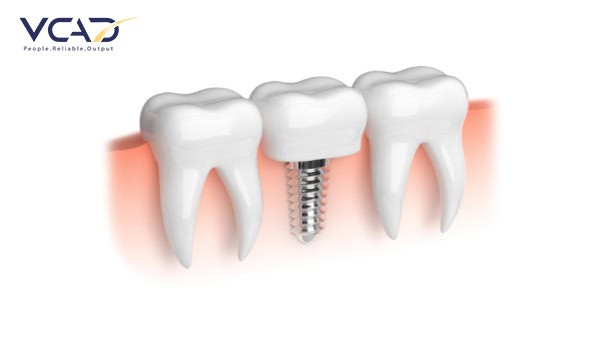
1. Clinical Challenge: The Complexity of Full-Arch Implant Cases


Full-arch implant rehabilitation is one of the most technically demanding procedures in restorative dentistry. Unlike single-unit restorations, a full-arch case requires precision across multiple implants, each supporting long-span prosthetics that must perform under heavy occlusal forces. The challenge lies not only in creating a restoration that is strong but also one that delivers natural esthetics and ensures long-term biomechanical stability.

Clinicians face four recurring issues in these cases:

  • Occlusal balance: Even minor inaccuracies in bite alignment can lead to implant overloading and premature failure.

  • Soft tissue esthetics: Replicating gingival contours and smile lines is essential for patient satisfaction.

  • Framework fit: Misfits result in screw loosening, peri-implant complications, and chairside inefficiencies.

  • Time management: Traditional analog workflows often require weeks of labor-intensive adjustments.


These complexities make full-arch implant cases risky and time-consuming in conventional labs. For clinics managing high patient volumes, such inefficiencies can impact both patient outcomes and business performance.

2. Digital Solution: CAD/CAM in Full-Arch Implant Rehabilitation


CAD/CAM technology has transformed how dental professionals approach full-arch implant rehabilitation. By replacing manual processes with a fully digital workflow, CAD/CAM introduces predictability, speed, and reproducibility—three factors essential for complex implant cases.


At VCAD Dental Outsourcing Lab, the CAD/CAM-driven process ensures:

  • Micron-level accuracy: Digital impressions and design eliminate distortions caused by traditional impression materials.

  • Faster turnaround: Cases that once took weeks can now be completed within days, even for full-arch zirconia frameworks.

  • Esthetic excellence: Digital layering techniques enhance translucency, shade harmony, and natural esthetics.

  • Reproducibility: Standardized protocols mean every full-arch case follows a validated, repeatable process.


For clinicians, this translates to fewer remakes, shorter chairside adjustments, and increased patient satisfaction. For patients, CAD/CAM provides a lifelike smile restoration with reduced treatment timelines.

3. Step-by-Step Workflow at VCAD


Achieving a predictable full-arch implant restoration requires more than technology alone—it requires a standardized digital workflow. At VCAD Dental Outsourcing Lab, every step is designed to reduce variability and deliver restorations that meet the highest international standards.

Step 1 – Digital Impression & Data Submission
The process begins with clinicians capturing intraoral scans of the edentulous arch, combined with implant placement data and bite registration. Unlike analog impressions, which can distort or shrink, digital impressions maintain accuracy at a micron level. These files are uploaded through VCAD’s secure online portal, giving immediate confirmation and transparency to the dentist.

Step 2 – Virtual Design & Occlusal Planning
Using Exocad and 3Shape platforms, VCAD technicians design the full-arch framework virtually. Critical factors such as occlusal scheme, vertical dimension, and smile line are integrated into the design. This digital planning stage ensures the restoration not only fits the implants but also aligns with functional and esthetic goals. The preliminary design is then shared with the clinician for approval, enabling direct collaboration before production.

Step 3 – Surgical-Prosthetic Integration
One of the most significant challenges in full-arch cases is ensuring prosthetic design aligns with implant biomechanics. VCAD cross-checks the virtual design with implant positions, verifying that load distribution is safe and balanced. This integration reduces risks such as screw loosening, peri-implant bone loss, or prosthetic fracture.

Step 4 – Milling & Sintering of Zirconia Framework
Once approved, the design is transferred to five-axis milling machines, which carve the full-arch framework from multilayer zirconia discs. This process ensures high precision in contours, emergence profiles, and internal fit. The frameworks then undergo high-temperature sintering for 8–10 hours, a step that strengthens zirconia to withstand long-term occlusal loads.

Step 5 – Esthetic Finishing & Surface Characterization
After sintering, the frameworks are customized through staining, glazing, and surface texturing. Technicians enhance translucency, shade gradients, and micro-textures, making the restoration visually indistinguishable from natural dentition. This artistic touch elevates the digital process to a clinical masterpiece.

Step 6 – Quality Control & Delivery
Before shipment, each case undergoes VCAD’s three-tier quality control system: design validation, in-process monitoring, and final inspection. Fit, occlusion, and esthetics are meticulously reviewed to ensure predictable outcomes. The completed restoration is then packaged and shipped to the clinic—typically within a few days of case submission.

By integrating this structured workflow, VCAD transforms full-arch implant rehabilitation from a traditionally uncertain process into a precise, reliable, and repeatable solution.

4. Clinical Impact: Benefits for Dentists and Patients


The impact of this CAD/CAM-driven workflow extends far beyond technical precision. Testimonials from dentists worldwide highlight how VCAD’s process translates into real clinical advantages.

For Dentists and Clinics

  • Predictable timelines: With digital design and automated production, clinicians can schedule confidently, knowing restorations will arrive on time.

  • Reduced chairside adjustments: Micron-level precision minimizes occlusal corrections, saving valuable chair time.

  • Scalability: Clinics managing high patient volumes can trust VCAD to handle complex cases without delays.

  • Professional reputation: Delivering premium full-arch restorations quickly enhances the dentist’s credibility and strengthens patient trust.


A prosthodontist in the U.S. noted: “Before working with VCAD, full-arch cases often required multiple remakes. With their CAD/CAM workflow, my patients now leave the clinic faster and happier, and my adjustments are minimal.”


For Patients

  • Immediate functional recovery: Full-arch restorations restore chewing efficiency in days, not weeks.

  • Natural smile esthetics: Multilayer zirconia and precision finishing replicate natural tooth anatomy and translucency.

  • Comfort and confidence: Precise fit ensures long-term comfort, while lifelike esthetics boost self-esteem.

  • Fewer appointments: Faster workflows mean fewer visits, reducing inconvenience for patients.


One patient testimonial shared through a partner clinic stated: “I never thought I would have my full smile back so quickly. The teeth look completely natural, and I can eat comfortably again.”

For Labs and Partners

  • Global alignment with CE/FDA/ISO standards means clinics can confidently expand their services internationally.

  • Collaboration with VCAD allows smaller labs to outsource complex cases without sacrificing quality or efficiency.


In sum, VCAD’s CAD/CAM-driven full-arch workflow delivers measurable benefits at every level: predictable outcomes for dentists, functional and esthetic satisfaction for patients, and strategic advantages for labs. It is a model that elevates the standard of implant dentistry worldwide.

5. Conclusion: Digital Implant Solutions with VCAD


Full-arch implant rehabilitation has always been considered one of the most complex challenges in restorative dentistry. Traditional analog workflows often made these cases unpredictable, lengthy, and frustrating for both clinicians and patients. But with the adoption of CAD/CAM technology, full-arch cases can now be executed with speed, accuracy, and consistency.

At VCAD Dental Outsourcing Lab, this transformation is not theoretical—it is daily practice. By integrating Exocad/3Shape planning, five-axis milling, multilayer zirconia, and three-tier quality control, VCAD ensures that even the most difficult implant cases are handled with precision. The result is restorations that are biomechanically stable, esthetically lifelike, and delivered within days, not weeks.

For clinicians, this means fewer remakes, less chairside stress, and higher patient trust. For patients, it means regaining function and confidence in record time. And for international partners, it demonstrates that outsourcing to VCAD is not just a practical solution but a competitive advantage in modern implant dentistry.

VCAD Dental Outsourcing Lab sets a new standard for full-arch implant rehabilitation—where digital precision meets clinical excellence.

Contact us via:

Phone: (+84) 866 664 015

Email: support@vcaddental.com

Facebook: facebook.com/vcadoutsourcingdentallab


TikTok: tiktok.com/@vcaddentallab0
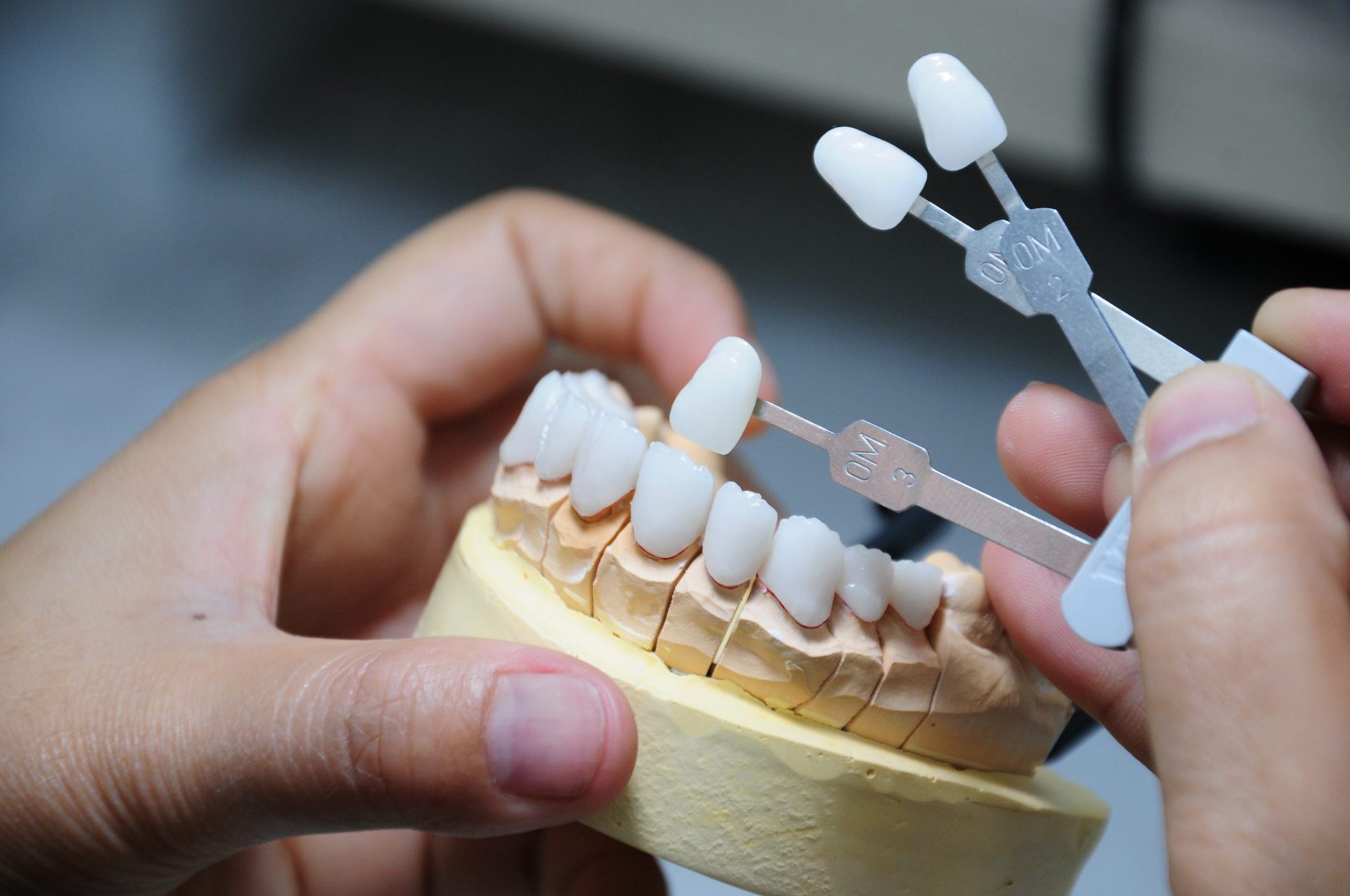

1. Introduction: The Power of Testimonials


In dentistry, trust is built not only on science but also on shared experience. While certifications, technology, and service promises matter, clinicians worldwide often place the greatest value on peer-to-peer feedback. When dentists hear directly from colleagues who have already partnered with a lab, it creates a level of credibility no marketing claim can match.

This is why testimonials play such a critical role in evaluating dental outsourcing partners. For clinicians managing complex restorative cases, choosing the right laboratory can mean the difference between predictable outcomes and costly remakes. Testimonials provide reassurance that a lab has already proven its capabilities in real-world conditions.

At VCAD Dental Outsourcing Lab, we believe that the best way to showcase our quality is to let our partners speak. Dentists across Europe, North America, and Asia consistently highlight our ability to deliver restorations that are safe, esthetic, and on time. Their words form a compelling narrative: VCAD is not just a supplier but a trusted partner in achieving clinical excellence.


2. Trust Built on International Standards


One of the strongest themes in dentist testimonials about VCAD is the confidence that comes from working with a lab that adheres to international standards. In markets such as the United States and the European Union, regulatory compliance is non-negotiable. Patients expect—and clinicians demand—restorations fabricated with materials that are CE, FDA, and ISO certified.

Dentists frequently emphasize how this compliance influences their treatment planning:

  • Material safety: Knowing that every zirconia disc and lithium disilicate block used at VCAD meets CE and FDA approval eliminates concerns about biocompatibility.

  • Consistency: ISO-certified processes guarantee that every crown, bridge, or full-arch case maintains the same high level of quality.

  • Legal protection: For practitioners in highly regulated markets, being able to prove that their lab partner meets international requirements is essential for liability management.


As one clinician from Germany noted: “With VCAD, I never worry about material safety or documentation. Every case is backed by CE and FDA certification, which gives both me and my patients complete confidence.”

These endorsements reflect more than just satisfaction—they illustrate how compliance directly translates into trust. By meeting global standards, VCAD empowers dentists to practice with confidence, knowing that every restoration aligns with the strictest requirements of modern dentistry.


3. Speed and Predictability Dentists Can Rely On


In restorative dentistry, time is often as critical as quality. Patients want fast solutions, and dentists must schedule treatments around reliable lab delivery times. Unfortunately, many clinicians have experienced delays with conventional laboratories—crowns arriving late, bridges requiring remakes, or inconsistent turnaround times that disrupt treatment plans. These inefficiencies not only frustrate dentists but also reduce patient trust.

Testimonials about VCAD Dental Outsourcing Lab repeatedly highlight one thing: predictability. With VCAD’s fully digital workflow, dentists know exactly when to expect their restorations. Most single-unit crowns are completed within 2–3 days, while more complex cases such as full-arch zirconia are delivered in five days or less.

A prosthodontist from Canada shared: “My practice depends on efficiency. VCAD’s timeline is always clear, and cases arrive when promised. This reliability allows me to book patients with confidence, knowing I won’t face last-minute rescheduling.”

What makes this consistency possible is VCAD’s integration of:

  • CAD/CAM workflows that eliminate delays caused by manual steps.

  • 3D printing for try-ins, reducing errors before final production.

  • Dedicated logistics partnerships for fast international shipping.


By combining technology with process discipline, VCAD transforms outsourcing into a time-saving advantage. For dentists, this means fewer scheduling headaches and more satisfied patients. For patients, it means enjoying their new smile faster without compromising quality.


4. Esthetics and Precision That Impress Patients


While speed is important, dentists agree that no restoration is successful unless it meets the highest esthetic standards. Patients today expect crowns and bridges that are indistinguishable from their natural teeth. If a restoration looks opaque, mismatched in shade, or requires visible adjustments, it undermines patient satisfaction and clinic reputation.

Dentists who partner with VCAD consistently praise the esthetic precision of our restorations. By using multilayer zirconia and E.max lithium disilicate, VCAD achieves a natural translucency that mimics enamel. Combined with digital shade-matching technology and advanced glazing techniques, every crown is designed to integrate seamlessly into the patient’s smile.

A dentist from the United States commented: “The crowns from VCAD fit so precisely that my chairside adjustments are minimal. Patients often cannot tell which tooth was restored—the color and translucency are that natural.”

Key aspects highlighted in testimonials include:

  • Micron-level fit: Reducing adjustment time and enhancing patient comfort.

  • Natural shade blending: Digital shade analysis ensures harmony with surrounding dentition.

  • Surface detail: Layering and glazing replicate the subtle textures of natural teeth.


These qualities do more than satisfy patients—they build long-term trust. When patients leave the clinic with restorations that look natural and feel comfortable, they are more likely to return for future treatments and recommend their dentist to others.

For dentists, this is the true measure of value: restorations that not only perform clinically but also elevate patient confidence. With VCAD, aesthetics and precision are not marketing promises—they are daily practice.

5. Partnership Beyond Production


For many clinicians, working with a dental lab often feels like a transactional relationship: scans are submitted, restorations are delivered, and communication ends there. But dentists who collaborate with VCAD Dental Outsourcing Lab describe a very different experience—one that feels more like a true partnership.

Dentists consistently highlight VCAD’s commitment to transparent communication. Through the lab’s digital portal, every case is tracked in real time. Clinicians can log in to confirm case receipt, review design previews, and request adjustments before production. This level of visibility ensures that the dentist remains in control of the clinical outcome at every step.

One implant specialist in Australia remarked: “VCAD feels less like an outsourcing lab and more like an extension of my clinic. Their technicians respond quickly to questions and proactively suggest improvements when needed. That collaboration is invaluable.”

Key aspects of this partnership model include:

  • Real-time updates on case progress, eliminating uncertainty.

  • Direct access to technicians, enabling two-way communication.

  • Collaborative design approvals, ensuring restorations align perfectly with treatment plans.

  • Educational support, with VCAD sharing best practices on digital workflows and material selection.


This collaborative culture transforms outsourcing from a potential risk into a strategic advantage. By aligning with VCAD, dentists gain not just a lab but a dedicated partner committed to their clinical and business success.

6. Conclusion: Social Proof That Builds Confidence


When choosing a dental lab, dentists rely on more than promises—they rely on the experiences of their peers. Testimonials from clinicians across North America, Europe, and Asia consistently reinforce the same message: VCAD delivers restorations that are safe, predictable, and esthetic—on time, every time.

From international compliance with CE, FDA, and ISO standards, to fast and reliable turnaround times, to esthetic restorations that require minimal adjustment, VCAD has earned the trust of dentists worldwide. But what truly sets the lab apart is its partnership mindset—working side by side with clinicians, providing real-time support, and ensuring every case meets both clinical and patient expectations.

A prosthodontist in the UK summarized it best: “Working with VCAD has elevated my practice. They are not just a lab—they are a partner I can depend on for quality, speed, and communication.”

For dentists, these testimonials are more than reassuring words. They are proof that outsourcing to VCAD is not a gamble but a pathway to consistent excellence.

Partner with VCAD Dental Outsourcing Lab today and join the growing network of clinicians who have discovered a lab that combines global standards with personal support.

We are proud to be the silent partner behind your practice's success.


Get in touch with VCAD Dental today

Website: vcadlab.com/

Email: support@vcaddental.com

Contact: WhatsApp/Viber/Telegram: (+84) 866 664 015


1. Introduction: The Challenge of Full-Arch Restorations


Full-arch restorations represent one of the most demanding areas of restorative dentistry. Unlike single-unit crowns, a full-arch zirconia restoration requires not only strength to endure continuous chewing forces but also esthetics that replicate the harmony of a natural smile. Traditionally, these cases take 7–10 days or longer to complete in most labs, often causing delays in treatment planning and patient satisfaction.

For many clinicians, time is a critical factor. Patients with edentulous arches want fast solutions without compromising quality. Yet in conventional workflows, analog impressions, manual waxing, and limited QC steps frequently lead to remakes, additional adjustments, and extended waiting times. These inefficiencies create frustration for both dentists and patients.

This case study demonstrates how VCAD Dental Outsourcing Lab leveraged a fully digital workflow to deliver a zirconia full-arch restoration in just 2 days. By integrating CAD/CAM precision, 3D printing, and international quality standards, VCAD proves that high complexity does not have to mean long delays. The case highlights how dentists worldwide can benefit from outsourcing to a lab that combines speed, accuracy, and reliability.

2. Case Background


The patient presented with complete tooth loss in both arches, creating significant functional and esthetic challenges. The clinical goals were clear: restore chewing efficiency, improve phonetics, and provide a natural-looking smile that would enhance overall confidence.

The treating dentist required a solution that combined:

  • High strength to withstand long-term occlusal forces.

  • Superior esthetics to mimic natural teeth in shade, translucency, and surface detail.

  • Rapid turnaround to minimize the number of appointments and reduce patient waiting time.


Given these requirements, a full-arch zirconia restoration was selected as the optimal solution. Zirconia’s high flexural strength makes it ideal for full-arch frameworks, while its multilayer composition allows for lifelike aesthetics.

The case was submitted to VCAD Dental Outsourcing Lab through the digital portal, with intraoral scans and patient records uploaded directly. The dentist’s expectation was ambitious: complete design, production, and delivery within 48 hours. This timeline would not have been achievable in a conventional lab environment, but VCAD’s digital-first workflow made it possible.

3. Workflow at VCAD: From Scan to Delivery in 48 Hours


Delivering a zirconia full-arch restoration in just two days requires a workflow that is both highly digital and tightly controlled. At VCAD Dental Outsourcing Lab, the process is streamlined to eliminate unnecessary delays while maintaining international quality standards.

Step 1: Digital Impression & Case Submission
The dentist captured a complete intraoral scan of the patient’s arches using an advanced scanner. These files, along with bite registration and photographs, were uploaded to VCAD’s secure digital portal. Within minutes, the lab confirmed receipt, ensuring full transparency from the start.


Step 2: CAD Design Approval
Once the scans were received, VCAD’s design team used Exocad and 3Shape platforms to create a virtual model of the full-arch zirconia restoration. Key parameters such as occlusion, vertical dimension, and esthetic alignment were incorporated. A preview of the digital design was then shared with the dentist for approval. This collaborative step ensured that the clinical expectations matched the lab design before production began.


Step 3: 3D Printing Try-In Model
To minimize errors, a resin try-in was printed overnight. This model allowed for the verification of fit, occlusion, and esthetics before milling the definitive zirconia restoration. By integrating a try-in stage, VCAD reduced the risk of remakes—a step often skipped by local labs due to time constraints.


Step 4: Milling the Zirconia Framework
The approved design was transferred to five-axis milling machines, capable of producing ultra-precise restorations with micron-level accuracy. Using multilayer zirconia discs, VCAD milled the full arch with perfect contouring and internal adaptation.

Step 5: Sintering & Finishing
After milling, the zirconia framework underwent high-temperature sintering for eight hours to achieve maximum strength and stability. Following sintering, the crowns were stained, glazed, and polished to replicate natural translucency and surface texture. Skilled technicians applied esthetic finishing touches to ensure a lifelike appearance.

Step 6: Quality Control & Shipment
Before delivery, the restoration went through VCAD’s three-tier quality control system—design validation, in-process monitoring, and final inspection. Shade accuracy, marginal fit, and occlusal balance were all verified. The completed full-arch zirconia restoration was then packaged and shipped, reaching the dentist within 48 hours of the initial scan submission.

This digital-first workflow not only reduced production time but also ensured that quality was never compromised. By integrating CAD/CAM precision with advanced QC, VCAD transformed a traditionally lengthy process into a streamlined, reliable solution.

4. Clinical Results & Benefits


The outcome of this case demonstrated both the strength of zirconia and the efficiency of VCAD’s workflow. The full-arch zirconia restoration was delivered in just two days, meeting both functional and esthetic expectations.

Clinical Results:

  • The restoration displayed a perfect fit, reducing chairside adjustment time.

  • Occlusion was balanced, ensuring immediate comfort for the patient.

  • The esthetic outcome was lifelike, with natural translucency and shade harmony.

  • The framework’s strength provided the durability required for long-term use.


Benefits for Dentists:

  • Time efficiency: Reduced treatment timeline allowed the dentist to schedule fewer appointments, optimizing chair time.

  • Predictable results: Digital design previews and resin try-in models ensured that no surprises occurred at delivery.

  • Enhanced reputation: Delivering a full-arch case in 48 hours reinforced the dentist’s credibility and strengthened patient trust.


Benefits for Patients:

  • Faster treatment completion: The patient regained chewing ability and esthetics in days instead of weeks.

  • Improved satisfaction: The natural appearance of the zirconia restoration boosted confidence in daily life.

  • Reduced inconvenience: Fewer appointments meant less disruption to the patient’s routine.


Benefits for Labs & Partners:

  • Demonstrated the potential of digital outsourcing to handle complex full-arch cases.

  • Highlighted the scalability of VCAD’s workflow for international clinicians.


This case illustrates how speed and accuracy can coexist when a lab leverages advanced digital workflows. While traditional labs may struggle with timelines and consistency, VCAD provides clinicians with a partner that delivers not just restorations, but also peace of mind.

5. Why VCAD Made the Difference


Not every laboratory can complete a zirconia full-arch restoration in two days. What sets VCAD Dental Outsourcing Lab apart is not just speed, but the combination of technology, certified materials, and rigorous quality standards that ensure predictable outcomes case after case.

  1. CE, FDA, and ISO-certified materials
    VCAD exclusively uses certified zirconia discs that meet international safety and performance standards. This guarantees restorations that are not only esthetic but also structurally reliable for long-term use. Many local labs cut costs by sourcing uncertified materials, which may compromise strength and biocompatibility.

  2. Digital-first workflow
    By fully integrating CAD/CAM, Exocad/3Shape design platforms, and 3D printing, VCAD eliminates the inefficiencies of analog workflows. Dentists can preview digital designs online, approve modifications, and rely on exact replication in the final product. This level of transparency is often missing in conventional labs.

  3. Predictable turnaround times
    VCAD’s streamlined workflow and global logistics partnerships enable consistent turnaround times. The 48-hour completion of this case was not an exception but a reflection of an established system designed for international partners.

  4. Three-tier quality control system
    Every step, from digital design validation to in-process monitoring and final inspection, is rigorously checked. This ensures accuracy in fit, occlusion, and esthetics—reducing the need for chairside adjustments and remakes.

  5. A true partnership with clinicians
    Unlike labs that operate as isolated production centers, VCAD positions itself as a clinical partner. Real-time communication, digital approvals, and collaborative problem-solving mean that dentists remain fully informed and supported throughout the process.


Together, these elements allowed VCAD to deliver a complex full-arch zirconia restoration in just two days—without sacrificing strength, precision, or beauty.

6. Conclusion & Call-to-Action


This case study illustrates what is possible when advanced technology meets international standards. A procedure that typically takes 7–10 days in a conventional lab was completed by VCAD in just 48 hours, thanks to a fully digital workflow and uncompromising quality control.

For dentists, the benefits are clear:

  • Faster treatment planning and delivery.

  • Restorations that consistently fit and look natural.

  • Increased patient trust and satisfaction.


For patients, the advantages are life-changing: regaining function and esthetics within days, not weeks, while enjoying the confidence of a natural smile.

For international partners, this case highlights VCAD’s ability to handle complex restorative challenges at a global standard of care. The speed and precision demonstrated here are not exceptions but everyday practices at VCAD.

Durability, esthetics, and efficiency are the future of restorative dentistry. With VCAD, clinicians no longer have to choose between quality and turnaround time—they can have both.

Partner with VCAD Dental Outsourcing Lab today and experience how digital precision and global expertise can transform your restorative outcomes.

We are proud to be the silent partner behind your practice's success.


Get in touch with VCAD Dental today

Website: vcadlab.com/

Email: support@vcaddental.com

Contact: WhatsApp/Viber/Telegram: (+84) 866 664 015


1. Introduction: Beyond Function to Lasting Beauty


In modern restorative dentistry, the role of a crown goes far beyond restoring the ability to chew. Patients today expect crowns that not only function but also disappear seamlessly into their natural smile. A successful restoration must deliver long-term durability while maintaining natural esthetics that enhance a patient’s confidence.

Unfortunately, not all laboratories meet these expectations. In many markets, general labs still focus primarily on low-cost production, relying on uncertified materials and outdated workflows. The results often include crowns that look artificial, fracture prematurely, or require constant chairside adjustments. While they may appear inexpensive upfront, the hidden costs of remakes, patient dissatisfaction, and lost trust quickly outweigh the savings.

At VCAD Dental Outsourcing Lab, we approach crown fabrication with an international mindset. By combining CE, FDA, and ISO-certified materials, advanced CAD/CAM technology, and rigorous quality control, we produce crowns that are both strong and esthetically refined. This dual commitment to function and beauty sets VCAD apart from standard labs, providing dentists worldwide with restorations they can deliver with confidence.

This article explores how premium crowns balance strength and esthetics, comparing the international approach at VCAD with the compromises often made in local, cost-driven labs.


2. Durability Backed by Certified Materials


Durability is the first measure of a crown’s success. No matter how natural a restoration looks, it fails if it fractures under occlusal pressure or deteriorates after only a short period of use. Inconsistent materials are the leading cause of premature crown failure, and this problem is common in laboratories that rely on non-certified suppliers.

For example, zirconia blocks without CE or FDA approval may contain impurities that weaken the structure. Ceramics of unknown origin often display inconsistent density, increasing the risk of chipping. Metal alloys from uncertified sources can include nickel or other reactive elements, leading to patient discomfort or allergic reactions. These risks not only compromise the patient’s health but also damage the dentist’s reputation.

At VCAD, all restorative materials are sourced exclusively from CE, FDA, and ISO-certified suppliers. Our zirconia frameworks are engineered to withstand flexural strengths exceeding 900 MPa, making them ideal for posterior and implant-supported cases. Lithium disilicate (E.max) is selected for anterior esthetic cases, offering both reliable strength and lifelike translucency. Even our alloys are medical-grade, biocompatible, and validated for long-term stability.

The result is restorations that maintain functional integrity year after year. For dentists, this means fewer remakes, reduced chairside adjustments, and greater confidence in treatment outcomes. For patients, it means crowns that do not just look good on the day of placement but continue to perform under daily stresses, protecting their oral health and investment.

3. Esthetics That Match Natural Dentition


For many patients, esthetics is the defining factor in restorative success. A crown that functions well but looks artificial will never meet patient expectations. Unfortunately, in general labs that prioritize cost, esthetics often becomes an afterthought. The result is crowns that appear opaque, monochromatic, or mismatched in color—restorations that are clinically acceptable but far from natural-looking.

At VCAD Dental Outsourcing Lab, esthetics is elevated to the same level of importance as durability. Using advanced multilayer zirconia and lithium disilicate (E.max), our crowns replicate the subtle optical properties of enamel and dentin. Multilayer zirconia mimics the gradient from incisal translucency to cervical opacity, while E.max provides exceptional translucency for highly visible anterior restorations.

To ensure lifelike results, VCAD combines material excellence with digital artistry:

  • Digital shade matching: Advanced software tools analyze intraoral scans and photographs to select the most accurate shade.

  • Surface texturing: Skilled technicians apply micro-layering techniques that reproduce natural tooth morphology and light reflection.

  • Consistent translucency control: CAD design and sintering protocols are calibrated to achieve the desired depth and vitality in every restoration.


These steps eliminate the “flat” or “plastic” appearance common in crowns from ordinary labs. The outcome is restorations that not only restore function but also enhance smiles—restorations patients are proud to show.


4. International QC Standards vs. Local Shortcuts


While material choice and design are critical, the quality control (QC) system ultimately determines whether a crown meets expectations. Many local or low-cost labs either minimize QC to cut expenses or rely on a single final check before shipment. This shortcut approach leads to inconsistency—some crowns fit and shade-match correctly, while others require remakes or chairside corrections.

The risks of weak QC include:

  • Misfit restorations that compromise occlusion and require extensive adjustment.

  • Shade discrepancies that reduce patient satisfaction.

  • Surface flaws or rough margins that affect comfort and oral health.

  • Unpredictable results that erode trust between dentist and lab.


At VCAD, QC is not optional—it is embedded into every stage of the workflow. We apply a three-tier quality control system that mirrors international best practices:

  1. Design validation: Every CAD file is reviewed by senior technicians before production to confirm margins, contacts, and occlusion.

  2. In-process monitoring: Milling and 3D printing are checked against the digital blueprint to ensure micron-level accuracy.

  3. Final inspection: Each restoration is evaluated for fit, shade accuracy, and surface finish before packaging and shipment.


This rigorous system guarantees consistency case after case. For dentists, it means fewer remakes and shorter chairside time. For patients, it ensures crowns that look natural, feel comfortable, and perform reliably. For international partners, it establishes VCAD as a laboratory whose outcomes are predictable, replicable, and compliant with ISO 13485 quality standards.

5. Technology Integration for Precision


Precision is the hallmark of modern restorative dentistry. While traditional labs still depend heavily on manual waxing and casting, these methods are prone to variability and human error. In contrast, VCAD integrates advanced digital technologies to ensure accuracy, repeatability, and esthetics in every restoration.

Key elements of VCAD’s digital workflow include:

  • CAD/CAM design platforms (Exocad and 3Shape): Technicians create restorations with micron-level accuracy, ensuring precise margins, contacts, and occlusion.

  • 3D printing for verification: Resin models or try-in restorations allow clinicians to validate fit before final milling, reducing remakes.

  • Digital shade matching systems: High-resolution imaging and AI-supported software enhance shade consistency across cases.

  • Five-axis milling machines: Automated milling achieves exact contours and smooth surfaces, replicating natural tooth morphology.


This combination of digital tools ensures restorations that fit seamlessly and minimize chairside adjustments. The integration of technology also accelerates turnaround times, allowing most cases to be completed within two to three days while maintaining global standards of quality.

Unlike standard labs that rely on manual processes, VCAD’s digital workflow blends science with artistry—producing crowns that are not only esthetically superior but also clinically reliable.


6. Long-Term Value for Dentists and Patients


While cost is often the first factor clinicians consider when choosing a lab, the true value of a crown is measured over time. Low-cost crowns may appear affordable upfront, but when they fracture prematurely, mismatch in shade, or require extensive remakes, the hidden costs quickly escalate. These costs include not only additional lab fees but also wasted chairside time, patient dissatisfaction, and reputational damage.

Premium crowns from VCAD deliver long-term value by combining durability, esthetics, and predictability. For dentists, this translates into:

  • Reduced remakes: Certified materials and strict QC minimize errors.

  • Shorter chairside time: Accurate fit and shade reduce adjustments.

  • Increased patient trust: Patients appreciate restorations that look natural and last.

  • Higher treatment acceptance: When patients see lifelike results and understand that materials are CE/FDA/ISO certified, they are more willing to invest in premium care.


For patients, the value is equally clear. A crown that retains its strength and beauty over years protects not only their oral function but also their confidence in smiling and speaking. For clinics, satisfied patients become advocates, recommending their dentist to friends and family.

In contrast, restorations from ordinary labs often lead to frustration, repeat visits, and diminished patient loyalty. Over time, the difference between “cheap” and “premium” crowns becomes evident—not in initial cost, but in outcomes that last.

7. Conclusion: The VCAD Difference


In restorative dentistry, crowns must achieve two essential goals: lasting durability and natural esthetics. While many local or low-cost labs prioritize speed or price, they often sacrifice material quality, precision, and consistency. The result is restorations that may function temporarily but fail to satisfy patients or support long-term clinical success.

At VCAD Dental Outsourcing Lab, we take a different approach. Every crown we deliver reflects international standards—crafted with CE, FDA, and ISO-certified materials, enhanced by advanced CAD/CAM workflows, and verified through a three-tier quality control system. Our use of multilayer zirconia and E.max ensures that esthetics are never compromised, while durability remains a core guarantee.

For dentists, this means fewer remakes, smoother chairside workflows, and stronger patient trust. For patients, it means crowns that look and feel natural for years. For international partners, it means working with a lab that delivers predictable, premium outcomes every time.

Durability and esthetics are not luxuries—they are requirements. By partnering with VCAD, clinicians worldwide can provide their patients with crowns that meet the highest standards of function, beauty, and long-term value.

Partner with VCAD today and experience the difference of crowns crafted to international excellence.

We are proud to be the silent partner behind your practice's success.


Get in touch with VCAD Dental today

Website: vcadlab.com/

Email: support@vcaddental.com

Contact: WhatsApp/Viber/Telegram: (+84) 866 664 015


Mistake 1: Choosing Based on Price Alone


One of the most common mistakes dentists make when selecting a dental lab is allowing price to become the only deciding factor. Understandably, clinics want to control costs, especially in competitive markets where patients often compare fees before committing to treatment. However, choosing the lowest-cost lab almost always comes at the expense of quality, reliability, and long-term patient satisfaction.

Cheap laboratories frequently cut corners in ways that are invisible at first glance but quickly reveal themselves once the restoration is placed. Materials may be sourced from unverified suppliers without CE or FDA approvals. Zirconia blocks could contain impurities that reduce strength, or porcelain powders may not match the intended shade chart. The result is restorations that chip, fracture, or discolor far sooner than expected. For dentists, this translates into costly remakes, additional chairside adjustments, and—most damaging of all—lost patient trust.

The financial implications can be significant. A crown remake does not only involve the cost of laboratory fabrication; it also consumes valuable clinical time and may require additional appointments for the patient. Each failed case undermines the clinic’s efficiency and credibility, leading to reputational damage that no initial “cost savings” can offset.

VCAD’s solution is to strike the balance between affordability and uncompromised quality. By operating as a global outsourcing partner, VCAD leverages scale to keep pricing competitive while sourcing exclusively from CE, FDA, and ISO-certified suppliers. This ensures that every zirconia, E.max, or metal restoration delivered meets international standards for safety and performance. In practical terms, dentists working with VCAD avoid the hidden costs of remakes and gain the peace of mind that comes from predictable, high-quality outcomes. Price, therefore, becomes not a gamble but a fair reflection of value delivered.

Mistake 2: Ignoring Material Certifications


Another critical mistake is overlooking whether a laboratory uses certified materials and processes. While esthetics and turnaround times often dominate conversations between dentists and labs, the foundation of any reliable restoration is compliance with international safety standards. Without certifications like CE, FDA, and ISO, dentists cannot be certain that the crown or bridge they deliver truly meets medical-grade requirements.

The risks here are not theoretical. Uncertified zirconia may lack the purity and density required for long-term durability, leading to fractures or premature wear. Non-approved alloys can contain nickel or other metals that provoke allergic reactions in sensitive patients. Ceramics without proper validation may fail to bond properly or display shade inconsistencies, forcing clinicians into frustrating remakes. Even worse, using uncertified products can expose dentists to legal and ethical liabilities, particularly in regions where regulators demand compliance with CE or FDA standards for medical devices.

Patients, too, are increasingly aware of the role safety certifications play in healthcare. A growing number actively ask their providers whether restorations are manufactured under approved standards. For a dentist, being unable to answer that question confidently can erode trust immediately. Transparency is no longer optional; it is expected.

VCAD addresses this issue directly by embedding certification into every stage of production. All materials used in our restorations—zirconia blocks, lithium disilicate ingots, and metal alloys—are sourced only from suppliers with CE and FDA approvals. Our laboratory operates under ISO 13485 quality management standards, meaning every step of the CAD/CAM workflow is documented, monitored, and audited. This level of compliance not only protects patients but also provides dentists with a clear assurance that their restorations are internationally validated.

For clinicians, this eliminates uncertainty and risk. Instead of worrying about whether a crown will meet regulatory requirements or whether a patient will experience complications, they can focus entirely on providing excellent care. Certification is more than a stamp—it is the bridge between technical precision and professional trust. With VCAD, dentists know that every case they deliver has the backing of internationally recognized quality systems.


Mistake 3: Poor Communication and Lack of Transparency


In dentistry, time and trust are everything. Yet one of the most frequent complaints dentists have about working with external labs is unclear or inconsistent communication. A restoration case involves multiple steps—scan submission, CAD design, production, and delivery. If a dentist is not updated throughout this process, small issues can snowball into delays and misaligned expectations.

Common communication failures include:

  • No updates after submission: The dentist sends scans but hears nothing until the final product arrives.

  • Lack of design previews: Without the chance to approve or request modifications, restorations may need chairside adjustments.

  • Delayed response times: Questions about shade, margin design, or occlusion may take days to answer.

  • No transparency on setbacks: If production is delayed, dentists often find out only when the patient is already in the chair.


These gaps not only frustrate clinicians but also erode patient trust. A patient who schedules multiple appointments only to learn their crown is not ready begins to question the competence of the clinic, even when the fault lies with the lab.

VCAD’s solution is to integrate transparency into the workflow. Every case submitted to VCAD is tracked through a digital online portal, where dentists can:

  • Upload intraoral scans and instantly confirm receipt.

  • Review CAD/3D design previews before production, ensuring alignment with clinical requirements.

  • Receive automatic notifications for every stage of progress—from design to milling to shipment.

  • Communicate directly with technicians in real time for adjustments or clarifications.


This approach transforms outsourcing from a “black box” into a collaborative partnership. For dentists, it means fewer surprises, smoother clinical appointments, and stronger patient confidence.


Mistake 4: Unreliable Turnaround Times


Turnaround time is another major pain point when working with dental labs. Many labs promise fast delivery but fail to deliver consistently. This unpredictability creates serious problems for clinicians, who must schedule patient visits, plan treatments, and manage expectations based on the lab’s commitments.

The risks of unreliable turnaround times include:

  • Patient dissatisfaction: Patients forced to reschedule appointments may lose confidence in their dentist.

  • Operational inefficiency: Clinics must juggle schedules, wasting valuable chair time.

  • Clinical complications: Delays in implant or provisional restorations can impact healing and treatment outcomes.

  • Reputational damage: Repeated delays suggest unreliability, discouraging patients from recommending the clinic.


VCAD addresses this challenge with a streamlined digital workflow:

  • Integrated CAD/CAM and 3D printing: Designs are completed within hours, and resin models or try-ins are produced rapidly for verification.

  • Standardized turnaround times: Most single-unit cases are completed in 2–3 days, while complex restorations follow a clearly defined timeline communicated upfront.

  • Global logistics partnerships: International shipping is coordinated with express couriers, ensuring predictable delivery windows.

  • Capacity management: By balancing in-house resources with digital automation, VCAD prevents bottlenecks that commonly cause delays in traditional labs.


For clinicians, this reliability translates directly into predictability. They can confidently schedule patients knowing that restorations will arrive on time. For patients, it means shorter waiting periods and smoother treatment journeys. And for clinics, it reinforces professionalism and trust.

In a field where precision and timing are critical, VCAD turns turnaround time from a liability into a competitive advantage.

Mistake 5: Neglecting Quality Control


Even when a lab uses certified materials and promises fast delivery, the absence of a strong quality control (QC) system can undermine the entire workflow. Quality control is the final safeguard that ensures restorations are accurate, esthetic, and functional. Unfortunately, many labs either minimize or overlook this step, assuming that digital systems alone are enough to guarantee success.

The consequences of weak QC are immediate and costly:

  • Ill-fitting restorations that require extensive chairside adjustments.

  • Shade mismatches that frustrate both dentists and patients.

  • Surface defects or rough margins that compromise comfort and oral health.

  • Increased remakes, wasting time and resources for all parties involved.


When QC is inconsistent, predictability disappears. Dentists cannot trust that each case will meet expectations, forcing them into reactive problem-solving rather than efficient patient care.

VCAD’s solution is to treat quality control as a non-negotiable standard. Our laboratory applies a three-tier QC system:

  1. Design validation: Every CAD file is checked by senior technicians before moving to production.

  2. In-process monitoring: Milling and 3D printing are measured against digital references, ensuring micron-level accuracy.

  3. Final inspection: Each restoration undergoes detailed checks for fit, shade accuracy, and esthetic finish before shipment.


This rigorous process ensures consistency case after case. For clinicians, it means fewer remakes and shorter chairside time. For patients, it means restorations that not only look natural but also function reliably. For international partners, it builds confidence that VCAD delivers results aligned with global quality expectations.


Conclusion: Partnering with the Right Lab Matters


Selecting a dental lab is one of the most important decisions a clinician makes. Yet common mistakes—choosing based on price alone, ignoring certifications, accepting poor communication, tolerating unreliable turnaround times, and overlooking quality control—continue to create frustration and risk. Each of these errors carries hidden costs, from patient dissatisfaction to legal liability.

VCAD Dental Outsourcing Lab provides a proven solution to all five challenges. With competitive global pricing, CE/FDA/ISO-certified materials, transparent communication through digital portals, predictable turnaround times, and strict three-tier quality control, VCAD transforms outsourcing from a risk into an advantage.

For dentists, this means peace of mind and more efficient clinical workflows. For patients, it means restorations that are safe, esthetic, and reliable. For partner labs, it means access to international standards and predictable outcomes that strengthen long-term trust.

In restorative dentistry, success depends on choosing the right partner. With VCAD, clinicians worldwide can avoid the common pitfalls and deliver care that reflects the highest standards of safety, esthetics, and consistency.

We are proud to be the silent partner behind your practice's success.


Get in touch with VCAD Dental today

Website: vcadlab.com/

Email: support@vcaddental.com

Contact: WhatsApp/Viber/Telegram: (+84) 866 664 015


1. Introduction: Beyond Esthetics


In restorative dentistry, material choice and technical precision are only part of the story. Patients expect crowns and bridges that look natural and function properly, but equally important is the assurance that these restorations are safe, reliable, and manufactured under internationally recognized standards.

This is where certifications such as CE (Conformité Européenne), FDA (U.S. Food and Drug Administration), and ISO (International Organization for Standardization) come into play. These marks are more than bureaucratic approvals—they are guarantees of patient safety, product consistency, and global quality assurance.

For clinicians and laboratories working with outsourcing partners, certifications are essential. They provide confidence that every crown, bridge, or denture has been produced using approved materials and processes. At VCAD Dental Outsourcing Lab, compliance with CE, FDA, and ISO is a cornerstone of our promise to deliver restorations that meet the highest international standards.


2. The Role of Certifications in Dentistry


Certifications play a central role in ensuring the safety and effectiveness of dental restorations. Each standard—CE, FDA, and ISO—covers a different but complementary aspect of quality control.

  • CE Certification (Europe): Required for all medical and dental devices sold in the European Union, CE certification ensures that materials are safe for patients and meet strict regulatory requirements. For dentists, this means restorations free of harmful substances and compliant with European medical directives.

  • FDA Approval (United States): In the U.S., the FDA subjects dental materials to rigorous testing before approval. This includes evaluating biocompatibility, durability, and overall safety. An FDA-approved crown or bridge provides assurance that the restoration meets the same standards demanded of medical-grade devices.

  • ISO Standards (Global): ISO certification focuses on quality management systems within laboratories. For dental labs, ISO 13485 ensures that every stage—from CAD/CAM design to milling and finishing—is controlled, documented, and audited for consistency.


Together, CE, FDA, and ISO certifications form a global quality framework. They protect patients from unsafe products, safeguard dentists from liability, and elevate trust in the laboratory supplying the restoration. For outsourcing partners like VCAD, maintaining these certifications is not optional—it is a commitment to international excellence.


3. Risks of Working Without Certified Labs


Working with a dental laboratory that lacks CE, FDA, or ISO certification introduces risks that go far beyond technical errors. Without compliance, dentists face uncertainty about the safety, durability, and legality of the restorations they deliver to patients.

One of the most immediate concerns is material safety. Uncertified labs may source zirconia, ceramics, or alloys from suppliers without medical-grade approvals. These materials could contain impurities, inconsistent compositions, or even toxic substances that compromise patient health. A restoration made from uncertified materials might cause gingival irritation, allergic reactions, or premature failure—undermining the clinician’s credibility and exposing patients to harm.

Another critical issue is quality inconsistency. In the absence of ISO-regulated systems, labs may skip documentation, fail to calibrate equipment, or overlook key quality control steps. This often leads to misfits, fractures, and repeated chairside adjustments. Every remake represents lost time, added costs, and patient frustration. In an increasingly competitive market, these lapses erode patient trust and can damage a clinic’s reputation.

Legal and ethical risks are also significant. In many countries, delivering medical devices that are not CE or FDA approved is a violation of local law. Dentists may face liability if complications arise from uncertified restorations. Even if legal penalties are avoided, reputational damage can be lasting. Patients today are more informed and value transparency. Knowing that a clinic works with non-certified labs may prompt them to seek care elsewhere.

Finally, there is the issue of lost opportunity for international collaboration. Many global insurers, dental networks, and group practices require that labs meet international certifications. Without them, a lab’s ability to partner internationally is limited, and clinicians relying on such labs may struggle to scale their services or attract global patients.

In short, uncertified labs present risks that affect every stakeholder: patients risk their health, dentists risk their credibility, and labs risk their business future. For modern restorative practices aiming for growth and trust, certification is not optional—it is essential.

4. How VCAD Ensures Compliance


At VCAD Dental Outsourcing Lab, compliance with CE, FDA, and ISO is not a marketing claim—it is the foundation of our operations. Every restoration is designed, manufactured, and delivered under strict adherence to these international standards, ensuring safety, consistency, and trust for our partners worldwide.

Certified materials only


VCAD sources zirconia, E.max, and metal alloys exclusively from suppliers whose products carry CE and FDA approvals. This guarantees that every ingot, block, or disc meets medical-grade requirements for biocompatibility, purity, and structural performance. Dentists can confidently explain to patients that their crowns or bridges are fabricated from the same certified materials trusted in Europe, the U.S., and other advanced markets.

ISO-driven processes


Certification is not just about materials—it is also about process. At VCAD, we operate under ISO 13485 quality management standards, which require documentation and traceability at every stage of production. From CAD design on Exocad/3Shape to milling and sintering, each step is logged, calibrated, and reviewed. Randomized quality audits ensure that outcomes remain consistent case after case.

Multilayered quality control


To reinforce compliance, VCAD implements a three-tier QC system:

  1. Design validation – Every CAD file is reviewed before moving into production.

  2. In-process checks – Technicians measure accuracy during milling and 3D printing stages.

  3. Final inspection – Restorations undergo detailed checks for fit, shade accuracy, and surface finish before shipment.


This layered approach minimizes error and ensures that restorations meet both international standards and the clinician’s expectations.

Building trust for clinicians and patients


For dentists, outsourcing to VCAD eliminates the guesswork. Instead of worrying about uncertified materials or inconsistent outcomes, they receive restorations that are globally validated and patient-ready. For patients, certification provides a sense of safety and reassurance. Knowing that their dental crown or bridge has been produced under CE, FDA, and ISO standards helps them feel more confident in treatment decisions and more satisfied with results.

Supporting international partnerships


By maintaining CE, FDA, and ISO compliance, VCAD enables seamless collaboration with dentists and labs in over 20 countries. International partners trust us not only for precision and speed but also for the assurance that our restorations meet the same benchmarks as those produced in their local markets. This compliance is a passport to global cooperation—strengthening trust across borders.

In essence, compliance at VCAD is not a checkbox but a culture. By embedding CE, FDA, and ISO into our materials, processes, and mindset, we provide clinicians with restorations that reflect the highest level of international trust.


5. Clinical Impact for Dentists and Patients


When restorations are manufactured under CE, FDA, and ISO standards, the benefits extend far beyond the laboratory. They shape the daily clinical experience for both dentists and patients, turning technical compliance into tangible trust.

For clinicians


Dentists gain confidence knowing that every crown, bridge, or denture meets international safety and quality benchmarks. This reduces the risk of remakes and chairside adjustments, freeing up valuable clinical time. Certification also protects clinicians legally and ethically, ensuring that the devices they deliver are recognized by regulators worldwide. Most importantly, being able to present patients with CE- and FDA-approved materials enhances professional credibility and strengthens the dentist–patient relationship.

For patients


Patients are increasingly aware of the importance of safe and high-quality materials in dentistry. When they learn that their restoration was fabricated in a lab operating under CE, FDA, and ISO standards, their perception of care improves dramatically. Certified restorations not only perform predictably but also reassure patients that their health is prioritized. This often translates into higher treatment acceptance rates and greater satisfaction with outcomes.

For dental labs and global partners


Labs that collaborate with certified partners like VCAD can expand their market reach. By outsourcing to a CE- and FDA-compliant facility, they are able to offer restorations that meet the requirements of international insurers and group practices. This compliance allows them to scale services and enter new markets with confidence, backed by predictable outcomes and transparent documentation.

Ultimately, compliance transforms clinical practice: dentists work with peace of mind, patients feel safer, and labs unlock new opportunities.

6. Conclusion & Call-to-Action


In modern restorative dentistry, certifications are not a formality—they are the foundation of trust. CE, FDA, and ISO approvals ensure that every restoration is safe, reliable, and consistent. They protect patients from harmful materials, safeguard dentists from legal and clinical risks, and empower labs to grow internationally.

At VCAD Dental Outsourcing Lab, these certifications are more than labels. They are embedded in every crown, bridge, and denture we deliver. By sourcing only certified materials, maintaining ISO-driven workflows, and performing rigorous quality checks, we guarantee that our partners receive restorations they can confidently stand behind.

We are proud to be the silent partner behind your practice's success.


Get in touch with VCAD Dental today

Website: vcadlab.com/

Email: support@vcaddental.com

Contact: WhatsApp/Viber/Telegram: (+84) 866 664 015


1. Introduction about Zirconia, E.max, and Metal


In restorative dentistry, the choice of material determines far more than just how a crown looks. It shapes the patient’s experience, the longevity of the restoration, and the reputation of the clinician providing care. Over the last decades, dental materials have evolved dramatically—from traditional metal alloys to highly esthetic ceramics that mimic natural enamel.

Today, three material groups dominate the landscape of fixed restorations: Zirconia, E.max (lithium disilicate), and Metal/PFM (porcelain-fused-to-metal). Each carries unique properties that make it suitable for certain indications and less ideal for others. Selecting the right material is not always straightforward, especially when clinicians must balance strength, esthetics, cost, and patient expectations.

At VCAD Dental Outsourcing Lab, we support international dentists and laboratories by offering all three material options under strict CE, FDA, and ISO certifications. Our technicians understand the nuances of each material and apply them strategically to ensure predictable outcomes. This article provides a comparative overview—helping clinicians identify when to choose zirconia, when E.max excels, and when metal remains the most reliable option.

2. Zirconia: Strength Meets Esthetics


Among all-ceramic options, zirconia has quickly become the material of choice for many restorative dentists. Originally valued for its exceptional strength, zirconia has evolved with new generations that combine durability with esthetic translucency.

Key characteristics


  • High flexural strength (900–1200 MPa depending on the formulation), making it highly resistant to fracture.

  • Biocompatibility, with minimal risk of allergic reactions or tissue irritation.

  • Improved translucency in multilayer zirconia, providing natural esthetics closer to enamel.


Clinical indications


  • Single crowns in posterior and anterior regions.

  • Long-span bridges where load-bearing is critical.

  • Full-arch restorations requiring durability under heavy occlusal forces.


Advantages


  • Durability: Withstands high masticatory loads, making it ideal for posterior teeth and implant-supported restorations.

  • Reduced chipping risk: Unlike porcelain-fused-to-metal, monolithic zirconia eliminates the risk of veneer fracture.

  • Esthetic evolution: Modern translucent zirconia rivals traditional ceramics, enabling use in visible zones.


Limitations


  • Despite improvements, zirconia may not yet match the full translucency of lithium disilicate (E.max) for highly demanding anterior esthetics.

  • Requires careful sintering and finishing to achieve optimal color matching and surface smoothness.


In short, zirconia delivers the strength dentists can trust with an esthetic potential that continues to expand. At VCAD, zirconia is one of the most requested materials for international partners, particularly in cases demanding both function and long-term reliability.


3. E.max (Lithium Disilicate): Beauty with Reliable Strength


If zirconia has earned its reputation as the “workhorse” of strength, E.max (lithium disilicate) has become synonymous with esthetics. Known for its glass-ceramic composition and lifelike translucency, E.max is widely regarded as one of the most beautiful restorative materials available today.

Key characteristics


  • Flexural strength of 400–500 MPa, which, while lower than zirconia, is sufficient for single units in low- to moderate-load areas.

  • Exceptional translucency, closely resembling natural enamel.

  • Shade versatility, with multiple ingots and layering options that allow technicians to precisely match the patient’s dentition.


Clinical indications


  • Anterior crowns where esthetics are the primary concern.

  • Veneers, inlays, and onlays.

  • Single-unit posterior crowns in patients without heavy occlusion.


Advantages


  • Superior esthetics: Lithium disilicate offers unmatched natural light transmission, making it ideal for anterior restorations.

  • Conservative preparation: Allows for thinner restorations without compromising strength, preserving more natural tooth structure.

  • Versatile applications: Beyond crowns, E.max is also widely used for veneers and minimally invasive restorations.


Limitations


  • Lower strength compared to zirconia, which restricts its use in long-span bridges or cases with high functional load.

  • Technique-sensitive bonding: Requires careful adhesive protocols to ensure long-term success.


For dentists who value a restoration that disappears seamlessly into the smile, E.max is often the first choice. At VCAD, we recommend E.max particularly for anterior esthetic zones, ensuring both beauty and reliability when combined with advanced CAD/CAM design.


4. Metal & PFM: Reliability in Specific Cases


Although the spotlight in modern dentistry often shines on all-ceramic solutions, metal and porcelain-fused-to-metal (PFM) restorations remain clinically relevant. With decades of proven performance, these materials continue to serve as dependable options in specific cases.

Key characteristics


  • High flexural strength provided by base metal or noble alloys.

  • Porcelain layering adds aesthetics but can be prone to chipping if not properly managed.

  • Well-documented longevity, with clinical success spanning decades.


Clinical indications


  • Posterior crowns where functional demands are extreme.

  • Long-span bridges require a strong substructure.

  • Patients with limited budgets seeking durable but cost-effective solutions.


Advantages


  • Proven track record: Decades of clinical studies confirm the long-term survival of metal-based restorations.

  • Cost efficiency: Often more affordable than all-ceramic options, making them accessible in cost-sensitive cases.

  • Strength in demanding cases: Metal frameworks remain unmatched for complex, high-load prostheses.


Limitations


  • Inferior esthetics: Even with porcelain veneering, PFM restorations may not achieve the same natural translucency as zirconia or E.max.

  • Metal exposure risk: Over time, gingival recession can reveal the metal margin, compromising esthetics.

  • Declining patient demand: With rising expectations for metal-free dentistry, PFMs are less requested in premium practices.


While PFM and metal crowns are no longer the first choice for highly esthetic cases, they still provide a reliable safety net for specific clinical indications. At VCAD, we continue to offer metal-based restorations for dentists and labs who require strength, affordability, and proven long-term outcomes.


5. Comparative Analysis: Which to Choose?


Choosing the right material for a restoration is never a one-size-fits-all decision. Zirconia, E.max, and metal each bring distinct advantages, and the best choice depends on the balance between strength, esthetics, and cost in a given clinical case.

Zirconia stands out when strength and longevity are critical. With flexural strength well above 900 MPa, it is the material of choice for posterior crowns, long-span bridges, and full-arch implant restorations. Modern multilayer zirconia has improved translucency, making it increasingly suitable for esthetic zones as well, though it may not always reach the lifelike appearance of lithium disilicate in the most demanding anterior cases.

E.max, or lithium disilicate, is unmatched in esthetic performance. Its translucency and natural light diffusion make it ideal for anterior crowns, veneers, and other restorations where beauty is the top priority. It is also conservative, requiring less tooth reduction. However, with lower strength than zirconia, E.max is not recommended for long bridges or cases with heavy occlusal loads.

Metal and PFM restorations remain highly relevant in specific situations. They provide unparalleled strength and long-term reliability, making them suitable for posterior crowns under heavy bite forces or for cost-sensitive patients. That said, they fall short in esthetics, and metal margins may become visible over time, which is why they are less requested in premium, esthetically driven practices.

In practice, the guideline is simple: choose E.max when esthetics are paramount, zirconia when durability and function are essential, and metal/PFM when strength and affordability take precedence. At VCAD Dental Outsourcing Lab, we provide all three options, allowing clinicians to select confidently while knowing that every restoration is manufactured under CE, FDA, and ISO certifications.

6. Conclusion & Call-to-Action


Material selection is one of the most important clinical decisions in restorative dentistry. Whether the priority is strength, esthetics, or cost-efficiency, zirconia, E.max, and metal each play a vital role. Understanding their properties allows clinicians to provide restorations that are not only functional but also trusted by patients.

At VCAD Dental Outsourcing Lab, we combine advanced CAD/CAM workflows with international material options to deliver restorations that balance science, esthetics, and reliability. Our global partners rely on us for predictable outcomes, knowing that every case—whether zirconia, E.max, or metal—is designed and manufactured under strict quality control.

Why partner with VCAD?

  • Expertise in all major restorative materials.

  • CE, FDA, ISO-certified production.

  • Design within 8 hours, milling in just 2 days.

  • Transparent digital workflow with predictable outcomes.


For clinicians and laboratories worldwide, the question is not simply which material to choose—it is which partner can deliver it with consistency and confidence.

Partner with VCAD today and gain access to restorations that are as reliable as they are esthetic.

We are proud to be the silent partner behind your practice's success.


Get in touch with VCAD Dental today

Website: vcadlab.com/

Email: support@vcaddental.com

Contact: WhatsApp/Viber/Telegram: (+84) 866 664 015


1. Opening Story: 3D printing technology 


Not long ago, restorative dentistry was dominated by wax-ups, stone models, and endless adjustments. A single crown or bridge could take a week or more to complete, requiring multiple patient visits and leaving little room for error. Every millimeter relied on the technician’s manual skill, and every step introduced the possibility of distortion.

Today, this reality is rapidly changing. 3D printing technology has entered the dental laboratory, transforming workflows that once felt rigid and unpredictable into processes that are fast, transparent, and precise. Instead of waiting days for a model to be poured and cast, a digital file can now be uploaded, printed, and validated within hours.

At VCAD Dental Outsourcing Lab, 3D printing is not just an add-on—it is integrated directly into our CAD/CAM workflow. By combining digital scanning, software design, and additive manufacturing, we help dentists and labs worldwide shorten turnaround times, reduce remakes, and deliver restorations that patients trust.

This blog will explore how VCAD applies 3D printing in crowns, bridges, and removable dentures, and why it has become a cornerstone of our promise: speed, accuracy, and consistency in every case.


2. Breaking Down the Myths of 3D Printing


When dentists hear about 3D printing in dentistry, many still associate it with prototypes or orthodontic models. There’s a common belief that while impressive, it isn’t accurate or durable enough for real restorative cases. At VCAD, we have seen these assumptions first-hand—and we know they no longer hold true.

Common myths about 3D printing in dentistry


  • Myth 1: 3D printing is not precise enough.
    In reality, modern SLA (stereolithography) and DLP (digital light processing) printers can achieve micron-level accuracy, making them suitable for crowns, bridges, and implant guides.

  • Myth 2: It is only useful for orthodontics or demonstrations.
    Today, 3D printing is used for temporary crowns, try-in dentures, resin models, and even surgical guides—all of which directly support restorative workflows.

  • Myth 3: 3D printing is too slow to be practical.
    With digital files uploaded instantly and models printed in just a few hours, 3D printing actually accelerates case turnaround instead of slowing it down.


By dispelling these myths, clinicians and labs can see 3D printing for what it truly is: a practical, reliable tool that complements CAD/CAM milling and brings greater efficiency and transparency into restorative dentistry.

At VCAD Dental Outsourcing Lab, these applications are not theoretical—they are built into our daily workflow to ensure predictable outcomes for our partners worldwide.

3. Inside VCAD’s 3D Printing Workflow


At VCAD Dental Outsourcing Lab, 3D printing is not a stand-alone feature—it is integrated seamlessly into the full CAD/CAM process. Every step is designed for speed, accuracy, and transparency, allowing dentists to follow progress from scan to completion.

Step-by-step workflow at VCAD


  1. Scan received – The dentist takes a digital impression and uploads the data to the VCAD portal along with case details.

  2. CAD design – Our technicians use Exocad or 3Shape to create a 3D model of the restoration.

  3. Online preview – The design is uploaded to our secure platform for dentist (and even patient) approval. Adjustments can be made in real time.

  4. 3D printing resin models – A resin model or temporary try-in is printed. This stage verifies fit, occlusion, and alignment before the final restoration.

  5. Milling the final zirconia – With the model validated, the file is transferred to a 5-axis milling machine, which produces the zirconia framework.

  6. Sintering and finishing – The milled zirconia is sintered for 8 hours, then layered, shaded, and glazed to match natural dentition.


By embedding 3D printing into this process, VCAD creates an extra checkpoint that reduces error, saves time, and builds confidence for both clinicians and patients.


4. Clinical Impact: What 3D Printing Means for Dentists & Labs


For clinicians, the difference is clear: fewer patient visits, faster delivery, and restorations that fit on the first try. What used to take a week or more in a traditional workflow can now be achieved in just two days with VCAD’s digital and 3D printing integration.

Benefits for dentists


  • Reduced chairside time, thanks to restorations that require minimal adjustment.

  • The ability to show patients a digital or printed model before fabrication, improving case acceptance.

  • Confidence that every restoration is backed by international standards (CE, FDA, ISO).


Benefits for labs


  • Cost savings from outsourcing complex CAD/CAM work while still providing cutting-edge solutions to their clients.

  • 3D printed models act as a “safety net” before milling, reducing remakes and wasted material.


Benefits for patients


  • See and approve the proposed result in advance.

  • Receive high-quality restorations faster, with fewer visits.

  • Enjoy outcomes that combine natural esthetics with predictable function.


In short, 3D printing is more than a convenience—it is a catalyst for clinical efficiency and patient satisfaction. For labs and dentists partnering with VCAD, it represents a competitive advantage in modern restorative dentistry.

5. Future Outlook: Beyond Models & Try-ins


The story of 3D printing in dentistry is just beginning. While today it is widely used for resin models, temporary crowns, surgical guides, and try-in dentures, tomorrow its role will be far greater.

  • Next-generation materials: Research is advancing rapidly into resins and hybrid ceramics strong enough for permanent restorations. This will allow 3D printing to move beyond prototypes and temporaries into definitive crowns and bridges.

  • AI-driven automation: With artificial intelligence integrated into CAD platforms, design adjustments will become more predictive, accelerating case turnaround even further.

  • Cloud-based collaboration: Digital workflows will extend globally, where a dentist in Europe can upload a scan, VCAD can design the case in Vietnam, and a local lab can print or mill within hours.

  • Personalized dentistry: With faster design and manufacturing, patients can expect more tailored solutions that reflect their unique esthetic and functional needs.


At VCAD Dental Outsourcing Lab, we are committed to staying at the forefront of these innovations. By continuously investing in 3D printing technologies, AI integration, and material development, we ensure that our partners always have access to the future of restorative dentistry—today.

6. Conclusion & Call-to-Action


3D printing is no longer a novelty—it is an essential component of the digital dental workflow. By integrating additive manufacturing into our CAD/CAM process, VCAD Dental Outsourcing Lab provides dentists and labs worldwide with restorations that are faster, more precise, and more predictable.

From the first scan to the final restoration, our process is transparent and efficient. Dentists gain confidence, labs save time and costs, and patients receive esthetic, functional results they can trust.

Why partner with VCAD?

  • Digital design within 8 hours

  • 3D printing checkpoints for accuracy

  • Milling and delivery in just 2 days

  • Internationally certified quality (CE, FDA, ISO)


The future of restorative dentistry belongs to those who embrace digital innovation. With VCAD as your partner, you can bring the benefits of 3D printing and CAD/CAM directly into your clinical practice—without the cost or complexity of managing it in-house.

We are proud to be the silent partner behind your practice's success.


Get in touch with VCAD Dental today

Website: vcadlab.com/

Email: support@vcaddental.com

Contact: WhatsApp/Viber/Telegram: (+84) 866 664 015


REQUEST A TRIAL ORDER

Request Sample Case VCAD