

Blog

1. Introduction


In restorative dentistry, time, accuracy, and transparency are critical to clinical success. Traditional methods of impressions and manual fabrication often require multiple steps, take up to a week or more, and leave room for inconsistencies that can affect the final result.

At VCAD Dental Outsourcing Lab, we have streamlined this process through a fully digital workflow that begins the moment a dentist takes an impression. Every stage—from digital design to final delivery—is documented, trackable, and optimized for speed and precision. This case study outlines how a full restorative workflow at VCAD moves from scan to completion, ensuring predictable outcomes in as little as two days.

2. Step 1 – Digital Scan: Accuracy from the Start


The workflow begins in the clinic. A dentist, our client, takes the patient’s impression and records the necessary data on a digital case card. This information is then securely transferred to VCAD Dental Outsourcing Lab.

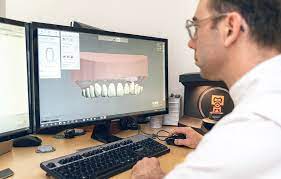
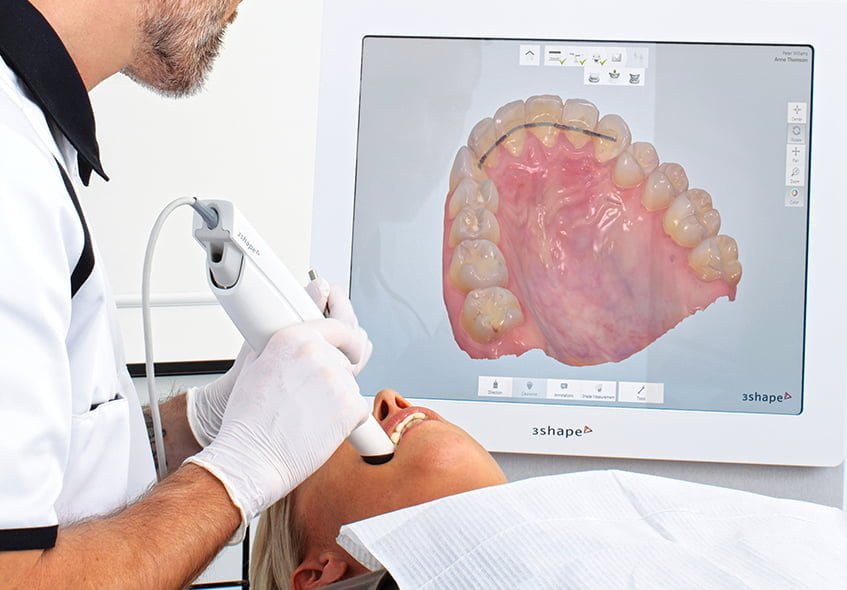
Once received, our design team converts the impression data into a 3D digital model using CAD software such as Exocad or 3Shape. This model is then uploaded to VCAD’s online portal, allowing both the dentist and their patient to preview the design before production begins.

Why this step matters:


  • Accuracy: A precise digital scan eliminates errors common in traditional impressions.

  • Transparency: Dentists and patients can review and approve the 3D design before manufacturing starts.

  • Efficiency: Data transfer is instant, cutting days off the conventional workflow.


By establishing accuracy at the very first step, we ensure that the final restoration will fit seamlessly, reducing the need for adjustments and enhancing patient satisfaction.


3. Step 2 – CAD Design & Approval: Turning Data into a Digital Model


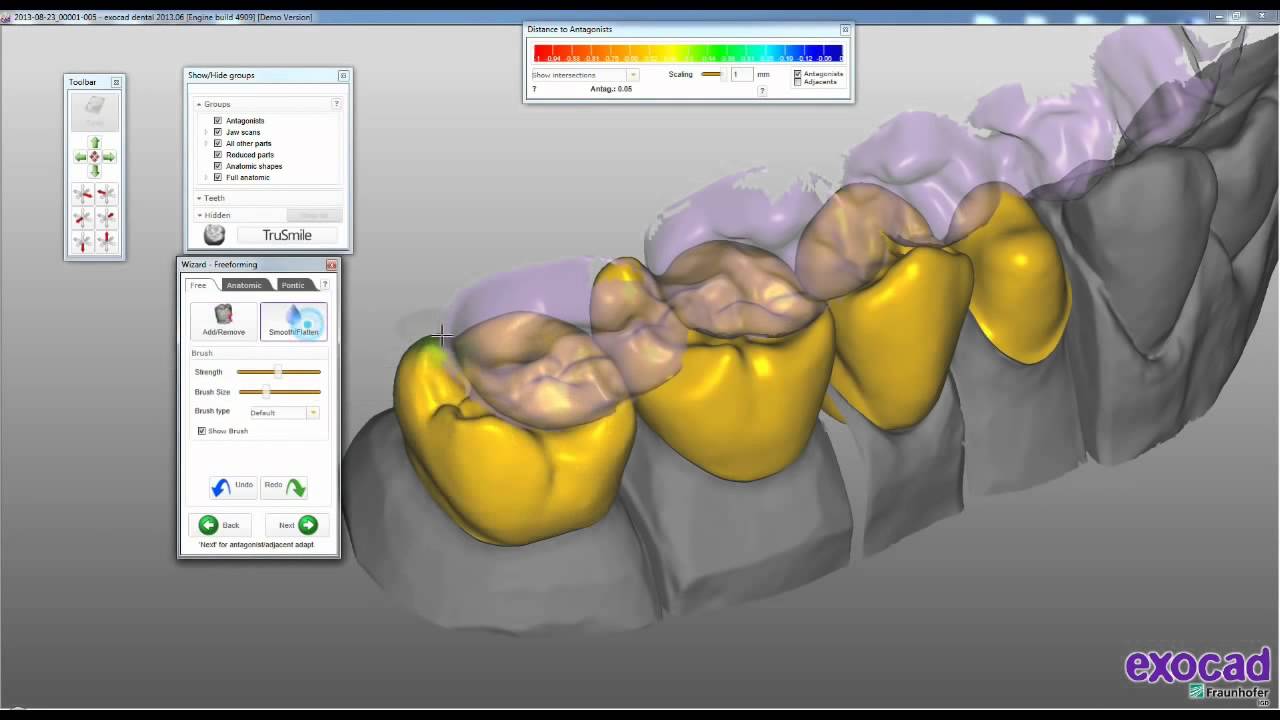
Once the impression data and clinical notes arrive at VCAD, our CAD team begins the digital design phase. Using advanced software platforms such as Exocad and 3Shape, technicians transform the raw scan into a fully articulated 3D model of the restoration.

The design process includes:

  • Aligning the scan data to establish the patient’s occlusion and bite relationship.

  • Virtually designing the framework—whether a crown, bridge, or full-arch zirconia restoration.

  • Selecting the appropriate material (zirconia, e.max, or alloy) based on functional and esthetic requirements.

  • Fine-tuning contours, contacts, and anatomy to replicate natural dentition.


Once the digital design is completed, it is uploaded to VCAD’s online portal. The dentist—and, if desired, the patient—can log in to review the proposed restoration in 3D. This step ensures full transparency and gives the clinician control to approve or request modifications before manufacturing begins.

Key advantages of this stage:

  • Clinical collaboration: Dentists can provide feedback in real time, ensuring the restoration meets both functional and esthetic goals.

  • Patient engagement: The ability to preview the final design increases patient confidence and case acceptance.

  • Error reduction: Adjustments made digitally are faster and more precise than chairside modifications after fabrication.


4. Step 3 – CAM Manufacturing: From Digital File to Physical Restoration


With the design approved, the case moves to the CAM (Computer-Aided Manufacturing) phase. This is where digital precision is transformed into a physical product.

The CAM workflow at VCAD:


  1. 3D Printing the Framework: The approved design is first printed in resin to create a physical framework. This allows technicians to verify fit and structure before final milling.

  2. Milling Zirconia Block: The digital file is sent to a five-axis milling machine, which shapes the restoration out of a high-quality zirconia block. This process delivers accuracy measured in microns.

  3. Sintering: The milled zirconia framework is placed in a furnace and sintered for 8 hours. This process strengthens the material, transforming it into a dense, durable base.

  4. Layering and Characterization: Porcelain is layered onto the zirconia core to achieve natural translucency and shade matching.

  5. Cooling and Finishing: After firing, the restoration is carefully cooled, polished, and checked for surface smoothness and esthetic detail.

  6. Quality Control: Before shipment, the restoration undergoes a final inspection—occlusion, margins, contacts, and color are evaluated. Minor refinements are made if needed to ensure a perfect fit.


Why this step is critical:


  • Predictability: The CAM process eliminates the variability of manual fabrication.

  • Durability: Sintered zirconia ensures long-term strength for functional demands.

  • Precision: Each stage is measured and validated, ensuring consistency from case to case.


The result is a restoration that is not only esthetically pleasing but also functionally reliable—ready to be delivered back to the dentist with confidence.

5. Step 4 – Finishing & Quality Control: Delivering Predictable Results


Once the sintered zirconia framework is cooled and stabilized, the restoration enters its final stage: finishing and strict quality control. This is where technology meets craftsmanship to ensure the restoration is not only functionally precise but also esthetically flawless.

Finishing the restoration


  • Shading and glazing: Specialized porcelain powders are applied to recreate natural tooth translucency and lifelike color. This step is essential for achieving harmony with the patient’s existing dentition.

  • Surface polishing: The restoration is polished to achieve smoothness, enhancing comfort in the mouth and reducing plaque accumulation.

  • Final contour adjustments: If necessary, technicians refine occlusal contacts or interproximal areas to ensure seamless integration into the patient’s bite.


Quality control protocols at VCAD


Before any restoration leaves the lab, it undergoes multi-step inspection:

  1. Fit verification: Margins and contacts are examined under magnification to confirm micron-level accuracy.

  2. Functional testing: Articulators and digital simulation tools are used to validate occlusion and bite stability.

  3. Esthetic evaluation: Shade, translucency, and morphology are reviewed against the digital plan to ensure consistency.

  4. Final approval: Only restorations that meet CE, FDA, and ISO standards are packaged for shipment.


Why this matters


For dentists, quality control means fewer chairside adjustments and more predictable outcomes. For patients, it means restorations that look natural, feel comfortable, and last for years. For labs, it demonstrates the professional reliability of VCAD as a global outsourcing partner.

With finishing and quality control complete, the restoration is carefully packaged and shipped back to the dentist—ready for placement, confident in both its esthetics and function.

6. Results & Benefits: What This Workflow Delivers


The digital restorative workflow at VCAD Dental Outsourcing Lab is designed for speed, accuracy, and transparency. Compared with traditional methods that may take a week or longer, our CAD/CAM process delivers restorations in as little as two days—without compromising quality.

Key results achieved:


  • Faster turnaround: From digital scan to final zirconia restoration in 48 hours.

  • Micron-level precision: Consistent margins and occlusion, minimizing chairside adjustments.

  • Superior esthetics: Natural translucency and shade matching that blend seamlessly with adjacent teeth.

  • Global consistency: Every restoration follows the same digital-to-physical protocol, ensuring predictable outcomes for clinics worldwide.


Benefits for clinicians and labs


  • For dentists: Reduced chairside time, higher patient satisfaction, and increased treatment acceptance.

  • For dental labs: Lower costs on equipment and staff training by outsourcing complex digital work to VCAD.

  • For patients: Restorations that combine comfort, strength, and natural esthetics—delivered faster than ever before.


This combination of efficiency and quality gives clinicians and labs the confidence to take on more cases, expand treatment options, and build stronger reputations with their patients.


7. Conclusion & Call-to-Action


The case study of VCAD’s digital workflow—from scan to design, milling, and finishing—demonstrates how technology and expertise combine to reshape restorative dentistry. By adopting a transparent process with clear checkpoints, we ensure restorations that are both esthetically natural and functionally reliable.

In today’s competitive dental environment, time and accuracy are no longer luxuries—they are necessities. With VCAD Dental Outsourcing Lab, clinics and laboratories gain a partner that delivers both, supported by international certifications and a commitment to excellence.

Why choose VCAD?

  • Design in 8 hours

  • Milling in 2 days

  • CE, FDA, ISO-certified materials

  • Transparent, trackable workflow


Partner with VCAD today and experience a digital restorative process that is fast, predictable, and trusted by clinicians worldwide.

We are proud to be the silent partner behind your practice's success.


Get in touch with VCAD Dental today

Website: vcadlab.com/

Email: support@vcaddental.com

Contact: WhatsApp/Viber/Telegram: (+84) 866 664 015

1. Introduction: Exocad and 3Shape 


Modern dentistry is no longer defined by plaster models, manual waxing, or days of waiting for laboratory work. The rise of digital dentistry has transformed how clinics and labs design and deliver restorations. At the heart of this transformation lies CAD software (Computer-Aided Design)—the digital tool that enables technicians to design crowns, bridges, dentures, and implant restorations with unmatched precision and speed.

For dental professionals, choosing the right CAD platform is a critical decision. The software determines not only how quickly restorations can be designed, but also the accuracy, aesthetics, and compatibility with other digital systems. Two names dominate this field: Exocad and 3Shape. Both are used globally and represent the gold standard for digital dental workflows, yet they differ in philosophy, features, and pricing.

At VCAD Dental Outsourcing Lab, our technicians are trained and experienced in both Exocad and 3Shape, allowing us to seamlessly integrate with clinics and labs around the world. By mastering both systems, we provide our partners the flexibility to choose whichever platform aligns with their workflow while still ensuring consistent quality and efficiency.

2. Exocad: Flexible and Technician-Friendly


Exocad is known as one of the most adaptable and user-friendly dental CAD software platforms in the world. Since its introduction, it has gained a reputation for offering laboratories and clinics a balance of flexibility, affordability, and reliable performance.

Key features of Exocad:


  • Modular system – Users can add specific modules such as Crown & Bridge, Partial Framework, Implant, and Smile Design depending on their needs.

  • Compatibility – Built on an open architecture, Exocad integrates with a wide range of intraoral scanners, desktop scanners, and milling machines, making it versatile for labs with diverse equipment.

  • Ease of use – The interface is designed with technicians in mind, simplifying complex tasks and reducing the learning curve.

  • Scalability – Suitable for single restorations as well as large, complex cases.


Why labs like VCAD rely on Exocad:


  • It is cost-effective compared to some proprietary systems, making it attractive for outsourcing partners who need to deliver efficiency at scale.

  • The open-source approach allows VCAD to serve clinics that use different types of scanners or milling equipment, ensuring compatibility across international clients.

  • Its robust set of restorative tools makes it ideal for everyday cases such as crowns, bridges, and implant frameworks.


In short, Exocad provides the flexibility and speed required by modern outsourcing labs. For VCAD, this means we can quickly adapt to the preferences of different clinics, while still ensuring restorations are accurate and delivered on time.


3. 3Shape: Premium Ecosystem for High-End Dentistry


While Exocad has built its reputation on flexibility and open architecture, 3Shape represents the premium end of dental CAD software. Developed in Denmark, 3Shape has become a global leader thanks to its robust ecosystem of hardware and software, tailored not just for technicians but also for dentists and patients.

3Shape’s strength lies in its seamless integration of digital tools—from scanning to design and patient engagement. It is particularly valued in practices that prioritize aesthetics, orthodontics, and advanced treatment planning.

Key features of 3Shape:


  • TRIOS intraoral scanner – Recognized as one of the most accurate and user-friendly scanners on the market. It allows dentists to capture precise 3D impressions chairside, improving both patient comfort and data accuracy.

  • 3Shape Dental System – A complete software suite that covers restorative, implant, orthodontic, and prosthetic workflows. It is highly detailed, offering advanced design capabilities that support complex cases.

  • AI-driven tools – Automated margin detection, crown proposals, and design suggestions reduce manual input, making workflows faster and more consistent.

  • Smile Design & patient communication – 3Shape enables clinicians to present digital simulations of the final smile, improving case acceptance and patient confidence.


Why labs like VCAD value 3Shape:


  • High-end aesthetics – Perfect for anterior restorations where lifelike details matter most.

  • Orthodontic compatibility – Strong tools for aligners and orthodontic appliances, supporting clinics with comprehensive treatment offerings.

  • Proprietary polish – While less flexible than Exocad, 3Shape’s closed ecosystem ensures smooth performance and integration across its own devices.


In essence, 3Shape delivers a premium experience—combining advanced technology with powerful visualization tools that benefit both the dental team and the patient. At VCAD, our ability to design with 3Shape means we can support clinics that require not only precision but also superior aesthetics and patient communication.


4. Exocad vs. 3Shape – Head-to-Head Comparison


Both Exocad and 3Shape are market leaders in dental CAD software, but they serve slightly different needs. Understanding their differences helps clinics and laboratories choose the right partner—or, in the case of outsourcing with VCAD, benefit from both without compromise.

Key dimensions of comparison:


  • Ease of Use

    • Exocad: Known for its intuitive interface and technician-friendly design. It’s often preferred by labs looking for quick adoption and efficient workflows.

    • 3Shape: More advanced and feature-rich, but with a steeper learning curve. Ideal for clinics that need complex, highly customized cases.


  • Flexibility and Compatibility

    • Exocad: Open architecture supports a wide range of scanners, milling machines, and third-party devices. Excellent for labs that need versatility.

    • 3Shape: Stronger in its own ecosystem, designed to work seamlessly with TRIOS scanners and 3Shape’s Dental System. Less flexible with external hardware.


  • Cost Considerations

    • Exocad: Generally more affordable with modular pricing. Clinics and labs can purchase only the features they need.

    • 3Shape: Positioned as a premium solution, requiring higher initial investment and subscription costs.


  • Range of Features

    • Exocad: Robust for restorative and implant workflows—crowns, bridges, dentures, implant frameworks.

    • 3Shape: Excels in aesthetics, orthodontics, and advanced case presentations with smile design and patient engagement tools.


Adoption at VCAD


At VCAD Dental Outsourcing Lab, we do not force clinics to choose one platform over the other. Instead, we maintain expertise in both. This allows us to integrate seamlessly into the workflows of partners worldwide—whether they rely on Exocad for its flexibility or 3Shape for its advanced ecosystem. The result: consistent, high-quality restorations, no matter the platform.

Extending the comparison: In-House vs. Outsourcing with VCAD


Running these platforms in-house requires not just software licenses, but also powerful computers, milling equipment, and trained technicians. The total setup can easily exceed $100,000 in upfront investment, alongside ongoing maintenance and training costs. For many clinics, this is neither cost-effective nor sustainable.

By outsourcing to VCAD:

  • Clinics access both Exocad and 3Shape expertise without buying licenses or hardware.

  • They benefit from pay-per-case pricing, avoiding the burden of capital investment.

  • Each restoration is produced under strict international quality standards (CE, FDA, ISO).

  • With a workflow of design in 8 hours and milling in 2 days, turnaround is faster than most in-house setups.


In short, while Exocad and 3Shape each have unique strengths, outsourcing to VCAD allows clinics to leverage the best of both worlds—without the costs and risks of running digital labs on their own.


5. Conclusion: Why VCAD Offers Both Platforms


In the debate between Exocad vs. 3Shape, there is no single winner. Each platform shines in different areas: Exocad with its flexibility, affordability, and technician-friendly workflow; 3Shape with its premium ecosystem, advanced aesthetics, and strong orthodontic applications. For clinics and laboratories, the challenge lies not in choosing one over the other, but in finding a partner who can deliver the best of both.

That is where VCAD Dental Outsourcing Lab makes the difference. By mastering both platforms, our technicians adapt seamlessly to the preferences and existing workflows of global partners. Whether your clinic values the open architecture of Exocad or the polished ecosystem of 3Shape, VCAD ensures every restoration is designed and manufactured with the same commitment to accuracy, speed, and international quality standards.

Our promise is straightforward:

  • Designs delivered in 8 hours.

  • Milling completed in 2 days.

  • Restorations compliant with CE, FDA, and ISO certifications.


For dental professionals, outsourcing with VCAD means eliminating the need for costly in-house investment while still gaining access to cutting-edge CAD/CAM technology. It allows you to focus on patient care while we deliver world-class digital restorations behind the scenes.

Partner with VCAD today and experience the freedom of working with a lab that bridges both worlds—Exocad and 3Shape—so your clinic never has to compromise.

We are proud to be the silent partner behind your practice's success.


Get in touch with VCAD Dental today

Website: vcadlab.com/

Email: support@vcaddental.com

Contact: WhatsApp/Viber/Telegram: (+84) 866 664 015

1. Introduction about CAD/ CAM


The field of restorative dentistry is undergoing a profound transformation. Traditional methods of creating crowns, bridges, and dentures—though effective—often come with significant limitations: lengthy turnaround times, inconsistencies in precision, and multiple chairside adjustments that consume both dentist and patient resources.

In this changing landscape, CAD/CAM technology (Computer-Aided Design and Computer-Aided Manufacturing)is emerging as a true game-changer. By digitizing the design and production process, it enables laboratories and clinics to achieve levels of accuracy, efficiency, and aesthetics that were once unattainable. For dental professionals seeking to elevate their practice and deliver world-class results, CAD/CAM is no longer a luxury—it is quickly becoming the global standard.

At VCAD Dental Outsourcing Lab, CAD/CAM is not just a tool but the very foundation of our workflow, allowing us to serve dental clinics and laboratories worldwide with speed and precision.

2. What is CAD/CAM in Dentistry?


CAD/CAM stands for Computer-Aided Design and Computer-Aided Manufacturing. In dentistry, this technology is applied to design and fabricate high-quality restorations such as crowns, bridges, veneers, and dentures with exceptional accuracy.

Explanation in context


Instead of relying solely on manual impressions and wax-ups, CAD/CAM transforms physical data into digital form, which is then processed to create restorations with micron-level precision. This not only reduces human error but also accelerates delivery times dramatically.

The CAD/CAM workflow typically includes:


  1. Digital scanning – Intraoral scanners or model scanners capture precise 3D data of the patient’s teeth and gums.

  2. Design (CAD) – Software platforms like Exocad and 3Shape are used by technicians at VCAD to create a digital model of the restoration.

  3. Material selection – High-quality blocks such as zirconia, e.max, or metal alloys are chosen based on functional and aesthetic needs.

  4. Manufacturing (CAM) – Milling machines and 3D printing systems produce the restoration directly from the digital design.

  5. Finishing and quality check – Final polishing, shading, and inspection ensure that the product meets international standards (CE, FDA, ISO).


This process ensures restorations that are accurate, aesthetic, and reliable, reducing the need for multiple adjustments and providing a better patient experience.


3. Why CAD/CAM is a Breakthrough for Restorative Dentistry


The adoption of CAD/CAM has redefined what is possible in restorative dentistry. Traditional workflows often required multiple visits, time-consuming impressions, and significant manual labor. In contrast, digital workflows streamline every step, enabling both clinicians and laboratories to achieve superior results in less time.

Key reasons CAD/CAM is transforming restorative dentistry:


  • Speed and efficiency
    Restorations that once took 5–7 days in a conventional lab can now be designed within hours and manufactured in 1–2 days. At VCAD, our commitment is design in 8 hours, milling in 2 days, ensuring timely delivery without compromising quality.

  • Precision and consistency
    CAD/CAM systems deliver restorations with micron-level accuracy. This minimizes chairside adjustments, reduces remakes, and guarantees a better fit for the patient from the very first try.

  • Enhanced aesthetics
    Digital libraries allow technicians to design restorations that mimic natural tooth anatomy. Combined with high-quality materials like zirconia and e.max, the results achieve both strength and lifelike beauty.

  • Transparency and control
    Digital data is traceable. Dentists can follow the entire workflow—from scan to delivery—ensuring full visibility into how each restoration is made. This transparency builds trust between clinic, lab, and patient.


Example in practice


Consider a single zirconia crown case. Traditionally, the dentist would take a physical impression, ship it to a lab, and wait several days for a result that might require multiple adjustments. With CAD/CAM, the intraoral scan is transmitted instantly, the crown is digitally designed at VCAD, and the milled zirconia block can be delivered in nearly half the time—with higher accuracy and reduced need for correction.


4. CAD/CAM and Outsourcing Labs — Opportunities for Clinics & Dentists


While CAD/CAM technology is revolutionary, the reality is that not every dental clinic can afford to invest in high-end scanners, milling machines, and specialized technicians. The initial costs, training requirements, and maintenance can be overwhelming for smaller or mid-sized practices. This is where outsourcing to a digital dental lab like VCAD becomes a powerful solution.

Advantages of outsourcing CAD/CAM restorations to VCAD:


  • Cost efficiency
    Clinics avoid the heavy capital investment in equipment and software while still gaining access to cutting-edge technology.

  • Access to expertise
    VCAD employs highly skilled digital technicians proficient in software like Exocad and 3Shape, ensuring designs meet international standards.

  • Time savings
    With a workflow of 8-hour design and 2-day milling, dentists can treat patients faster, reduce chairside time, and increase patient turnover.

  • Consistency and reliability
    Every restoration is backed by strict quality control and international certifications (CE, FDA, ISO), ensuring dependable results across cases.

  • Scalability
    Whether a clinic needs a single crown or multiple full-arch restorations, outsourcing provides the flexibility to handle varying case volumes.


Comparison: In-house lab vs. Outsourcing to VCAD


Building an in-house dental laboratory equipped with CAD/CAM technology can be a major challenge for many clinics. The initial investment alone is substantial, often exceeding $100,000 when factoring in scanners, milling machines, furnaces, and software licenses. Beyond the financial cost, there is the ongoing responsibility of recruiting and continuously training skilled technicians to operate the systems effectively. Maintenance is another hidden expense: milling machines and furnaces require regular servicing, and when patient volume is low, expensive equipment may sit underutilized—turning into a financial burden rather than an asset.

By contrast, outsourcing to VCAD Dental Outsourcing Lab eliminates these barriers. Instead of facing heavy capital expenditures, clinics can operate on a pay-per-case model, giving them predictable and scalable costs. Each case benefits from the expertise of VCAD’s experienced team, who work daily with the latest CAD/CAM technology and are fully proficient in software such as Exocad and 3Shape. Turnaround times are also faster, with designs completed in as little as 8 hours and milling finalized within 2 days, ensuring clinics can meet patient needs without long delays. Moreover, every restoration is backed by strict quality control and compliance with international standards (CE, FDA, ISO)—providing peace of mind for both dentists and patients.

Ultimately, while running an in-house lab may suit very large clinics with high case volumes, for most practices the smarter option is outsourcing. Partnering with VCAD allows clinics to focus on delivering outstanding patient care, while leveraging world-class technology and expertise without the risks of high overhead.


5. Materials in CAD/CAM — Durable, Aesthetic, and Safe


The success of any restoration does not rely solely on design and manufacturing technology—it also depends on the quality of materials used. At VCAD Dental Outsourcing Lab, we combine CAD/CAM precision with internationally certified materials to ensure long-lasting, biocompatible, and aesthetically pleasing outcomes.

Key materials VCAD works with in CAD/CAM restorations:


  • Zirconia

    • Known for its exceptional strength and durability.

    • Ideal for crowns, bridges, and full-arch cases where mechanical load is high.

    • Provides a natural translucency that closely mimics enamel when layered or monolithic.


  • E.max (Lithium Disilicate)

    • Recognized worldwide for its superior aesthetics.

    • Offers lifelike translucency and color matching, making it perfect for anterior restorations.

    • Balanced strength and beauty — suitable for veneers, inlays, onlays, and crowns.


  • Metal alloys

    • Still valuable in specific restorative cases requiring maximum durability.

    • Often combined with porcelain for porcelain-fused-to-metal (PFM) solutions.

    • CAD/CAM milling ensures accurate frameworks that improve fit and longevity.


Why CAD/CAM enhances these materials


  • Micron-level precision: Milling machines produce restorations that fit perfectly, reducing micro-gaps and improving long-term success.

  • Standardized quality: Digital workflows ensure consistent results across every case, eliminating variability often seen in manual processes.

  • Global certifications: All materials used by VCAD are compliant with CE, FDA, and ISO standards—guaranteeing both safety and international acceptance.


By integrating advanced materials with CAD/CAM technology, VCAD delivers restorations that are not only strong and reliable but also indistinguishable from natural dentition.

6. The Future of CAD/CAM in Dentistry


The CAD/CAM revolution is only at the beginning. As digital dentistry continues to evolve, several trends are set to shape the next decade, bringing even greater opportunities for clinics and labs worldwide.

Emerging trends to watch:


  • Artificial Intelligence (AI) in design

    • AI-powered algorithms will assist in analyzing patient scans, recommending the best design, and even predicting occlusion adjustments.

    • This will further reduce human error and speed up design time.


  • 3D printing integration

    • While milling remains dominant, 3D printing is gaining traction for producing temporary crowns, surgical guides, and even permanent restorations in the near future.

    • Combining CAD/CAM with additive manufacturing will expand possibilities in material choice and case customization.


  • Personalized dentistry

    • Patients increasingly expect tailored solutions.

    • CAD/CAM allows for highly individualized restorations that reflect natural morphology and aesthetic preferences.


  • Global collaboration through outsourcing

    • With digital workflows, scans can be sent instantly across borders.

    • This enables labs like VCAD to support clinics worldwide, offering fast turnaround and international-grade quality without geographical barriers.


In the coming years, the integration of AI, 3D printing, and advanced biomaterials will take restorative dentistry to unprecedented levels. VCAD is committed to staying at the forefront of these innovations, ensuring that our partners are always one step ahead.

7. Conclusion & Call-to-Action


The rise of CAD/CAM technology represents more than just an upgrade in tools—it is a complete shift in how dentistry is practiced. From faster turnaround times and unmatched precision to improved patient outcomes and global collaboration, CAD/CAM has changed the rules of the game.

For clinics and laboratories, the question is no longer if they should adopt digital workflows, but how quickly they can integrate them. Those who leverage outsourcing partners like VCAD Dental Outsourcing Lab gain instant access to cutting-edge technology, experienced technicians, and internationally certified materials—all without the heavy burden of in-house investment.

We are proud to be the silent partner behind your practice's success.


Get in touch with VCAD Dental today

Website: vcadlab.com/

Email: support@vcaddental.com

Contact: WhatsApp/Viber/Telegram: (+84) 866 664 015

1. Introduction: Why Cost Matters in Modern Dentistry


Running a dental clinic today is as much about financial management as it is about delivering excellent patient care. While clinicians devote their expertise to diagnosis and treatment, the sustainability of their practice depends on how efficiently they manage operational costs. One of the most pressing financial questions many clinics face is whether to invest in an in-house dental laboratory or to partner with an outsourcing provider.


At first glance, an in-house lab may seem appealing—it promises control, immediate access, and integration into the clinical workflow. However, the hidden costs of staffing, equipment, and ongoing maintenance often outweigh the benefits. On the other hand, outsourcing to a trusted partner like VCAD Dental Outsourcing Lab offers a more predictable, scalable model where clinics only pay for what they use.

This decision has become even more significant as dentistry embraces digital workflows such as CAD/CAM, 3D printing, and digital design platforms. These technologies require not only upfront investment but also continuous upgrades and staff training. For many clinics, the question is no longer if outsourcing makes sense, but how much financial benefit outsourcing can bring compared to running an in-house lab.

By analyzing real-world costs and building a financial model, clinics can better understand the economic advantages of outsourcing and how it directly impacts profitability, efficiency, and patient satisfaction.

2. The Real Costs of Running an In-House Lab


Setting up and maintaining an in-house lab involves far more than purchasing a few machines. Clinics must commit to a high initial capital investment and then absorb recurring costs that often escalate over time.

  • Capital investment: To operate a digital lab, clinics must acquire equipment such as intraoral scanners, CAD software licenses, milling units, and sintering furnaces. This setup typically requires $100,000–$150,000 upfront, not including installation and training. These costs are sunk and non-recoverable if case volumes do not justify the investment.

  • Staffing costs: Skilled dental technicians are essential to running an in-house lab. In markets like the US or Europe, salaries range from $3,000–$5,000 per technician per month, with additional costs for recruitment, benefits, and ongoing training. Turnover among technicians is common, which adds hiring costs and disrupts consistency.

  • Maintenance and consumables: Milling machines and furnaces require routine servicing, replacement parts, and software upgrades. Add to this the expense of consumable materials such as zirconia blocks or ceramic powders. These recurring expenses can reach several thousand dollars per month, whether or not the lab is operating at full capacity.

  • Risk of underutilization: Perhaps the greatest hidden cost is underutilization. Unless a clinic has high case volume, expensive equipment may sit idle, draining resources without generating returns. This risk makes in-house labs economically inefficient for small to mid-sized practices.


In reality, the “control” of having an in-house lab often comes at the price of financial rigidity. Instead of allocating resources toward patient care, clinics must divert significant funds to maintaining infrastructure. For many practices, this creates unnecessary pressure on profit margins.

3. Outsourcing to VCAD: The Pay-Per-Case Advantage


Unlike the fixed, high-cost structure of in-house labs, outsourcing to VCAD Dental Outsourcing Lab allows clinics to adopt a far more flexible and predictable model. At its core, this model is based on pay-per-case pricing, which shifts financial risk away from the clinic and toward efficiency.


  1. No capital investment required
    Instead of spending $100,000–$150,000 upfront on CAD/CAM equipment, clinics outsourcing to VCAD only pay for restorations when they need them. This makes it possible for both small private practices and larger group clinics to access advanced digital restorations without locking up capital in machines that may not be used at full capacity.

  2. Predictable costs per restoration
    With VCAD, pricing is transparent and directly tied to case volume. For example:


  • Single-unit zirconia crowns range from $90–$120 per case depending on design complexity.

  • Bridges, implant abutments, and full-arch cases scale up proportionally but remain competitive compared to Western lab pricing.
    This clarity allows clinics to forecast treatment costs accurately, improving financial planning and pricing strategies for patients.


  1. Scalability and flexibility
    Outsourcing removes the bottleneck of staffing and equipment capacity. Whether a clinic needs 10 crowns in a month or 200, VCAD can scale production accordingly. This scalability ensures clinics never pay for idle machines or underutilized technicians—costs that are unavoidable in-house.

  2. Reduced overhead and risk
    Maintenance contracts, technician training, and consumables are all absorbed by VCAD. Clinics do not carry the burden of replacing milling tools, repairing furnaces, or updating software licenses. Instead, they enjoy the benefits of state-of-the-art CAD/CAM technology maintained by specialists.

  3. Quality assurance included
    VCAD integrates strict multi-stage quality control (QC) into every case. For clinicians, this means fewer remakes, less chairside adjustment, and ultimately lower indirect costs like wasted appointment time. Combined with VCAD’s transparency—clinicians can approve 3D designs before production—the model ensures predictable outcomes with minimal financial surprises.


By converting fixed costs into variable costs, outsourcing to VCAD increases financial agility. Clinics pay only for the value they receive, while eliminating the inefficiencies of in-house operations.

4. Financial Model: In-House vs. Outsourcing


To highlight the difference, consider a mid-sized dental clinic performing 100 restorations per month—a realistic workload for many practices.


In-House Lab (US/EU cost structure)

  • Fixed staffing: Two technicians at $4,000/month each → $8,000.

  • Equipment depreciation: Milling unit, scanner, furnace, software licenses (amortized over 5 years) → approx. $5,000/month.

  • Maintenance & consumables: Spare parts, servicing, zirconia blocks, ceramics → $3,000–$5,000/month.

  • Total monthly costs: $16,000–$18,000.

  • Cost per case: With 100 cases, average is $160–$180 per restoration.


Outsourcing with VCAD

  • Variable costs only: 100 restorations at $100 each → $10,000/month.

  • No fixed overhead: No staff salaries, no depreciation, no maintenance.

  • Predictable QC: Included in case pricing, reducing indirect costs from remakes.

  • Total monthly costs: $10,000.

  • Cost per case: $100 per restoration.


Annual Comparison

  • In-house model: ~$192,000–$216,000 per year.

  • VCAD outsourcing: ~$120,000 per year.

  • Savings: $72,000–$96,000 annually, while also reducing managerial workload.


Hidden financial benefits of outsourcing
Beyond direct savings, outsourcing provides intangible but significant financial advantages:

  • Time efficiency: Fewer remakes and adjustments mean dentists can treat more patients per day, increasing revenue.

  • Risk mitigation: No risk of equipment breakdowns or technician turnover disrupting clinical operations.

  • Cash flow stability: Instead of large upfront investment, clinics retain liquidity for growth initiatives (marketing, new branches, patient experience upgrades).


For group practices or chains managing multiple clinics, the savings scale even further. A network performing 500 restorations monthly could save $300,000+ annually by outsourcing to VCAD rather than managing multiple in-house labs.

Conclusion of the model: The numbers are clear. In-house labs lock clinics into rigid, high-cost structures with limited scalability. Outsourcing with VCAD creates a lean, efficient financial model where costs scale exactly with demand, while quality and turnaround remain predictable.

5. Conclusion: A Smarter Financial Choice


The choice between running an in-house dental lab and outsourcing to a partner like VCAD Dental Outsourcing Lab is not just about technology or convenience—it is fundamentally about economics. As the financial model clearly shows, outsourcing transforms laboratory costs from a heavy fixed burden into a flexible, scalable expense that aligns directly with clinical demand.


Clinics that operate in-house labs often face rising overheads, unpredictable maintenance expenses, and the constant challenge of retaining skilled technicians. These fixed costs can strain cash flow and reduce profitability, especially when case volume fluctuates. By contrast, outsourcing to VCAD eliminates these burdens. Clinics only pay per case, enjoy transparent pricing, and benefit from internationally certified materials and workflows without investing in expensive equipment or staff training.

The annual savings are significant—tens of thousands of dollars for small practices, and hundreds of thousands for multi-location networks. Beyond direct cost reductions, outsourcing also enhances operational efficiency. Dentists spend less time on chairside adjustments, avoid costly remakes, and can focus their energy on patient care and practice growth.

In an era where patient expectations are high and competition among clinics is intense, outsourcing provides not just savings but a strategic edge. Partnering with VCAD means access to advanced CAD/CAM restorations, strict quality control, and global-standard certifications—all while maintaining financial flexibility.

For clinics looking to stay competitive, outsourcing is no longer a secondary option. It is a smarter financial choice that secures both short-term profitability and long-term sustainability.

Contact us via:

Phone: (+84) 866 664 015

Email: support@vcaddental.com

Facebook: facebook.com/vcadoutsourcingdentallab


TikTok: tiktok.com/@vcaddentallab0


In today’s digital dentistry landscape, cloud-based platforms are revolutionizing how dental clinics and laboratories collaborate. These systems use secure online infrastructure to connect dental practices with labs, enabling instant data sharing, real-time communication, and coordinated workflows. 

This article explains what these platforms are, how they function, and how they enhance lab-practice connectivity through technical innovation and practical benefits. We also highlight leading platform examples, discuss their role in digital transformation and patient outcomes, and address security and privacy considerations.

What Are Cloud-Based Dental Platforms?


Cloud-based dental platforms are web-enabled software solutions that centralize and streamline interactions between dental clinics and dental laboratories. Instead of relying on phone calls, paper forms, and physical models, dentists and labs can use a secure online portal or application to exchange case information, prescriptions, digital scans, and updates. Essentially, a cloud-based platform serves as the lab and clinic's common digital workspace. This eliminates the need to install or update software on local computers by storing data on distant servers that can be accessed from anywhere using an internet browser or app.

Software – The Backbone of Modern Dental Labs


In today’s digital dentistry, software is no longer optional—it’s essential. More than 70% of retainers and restorations are now created from digital scans, requiring advanced CAD/CAM software to convert data into precise 3D designs. 

For complex cases like full-arch implant restorations or guided surgery planning, lab software enables real-time collaboration between the dental office and the lab, with shared access to the same 3D case files. This integration reduces communication gaps, supports better decision-making, and improves final results.

Technical Foundations: Data Sharing, Integration, and Workflow Tracking


Cloud-based dental platforms are built on robust technical frameworks to support seamless data exchange and integration with dental technologies:

  • Digital Data Sharing: Fundamentally, these platforms allow case files (including scans, radiographs, and design files) to be uploaded and downloaded digitally in a secure setting. Similar to package tracking in shipping, such real-time tracking offers transparency at every stage, allowing patients and clinics to know precisely when completion is anticipated. 


  • Integration with scanners and devices: Modern cloud platforms connect directly with digital dentistry hardware. Intraoral scanners (IOS) and other devices can often tie into the cloud system so that scan data flows automatically to the lab order. Leading solutions scanner brands including CEREC, iTero, Planmeca PlanScan, and 3Shape. This means a dentist can scan a patient and send the digital impression to the lab with one click, without cumbersome file exports.


  • Practice management and CAD Integration: Cloud-based dental solutions often integrate with practice management software and lab CAD/CAM systems. This allows patient and prescription information to flow directly from the clinic’s records into the lab order, avoiding double data entry. Automatic synchronization of case data eliminates transcription errors and ensures the lab’s design software has all the information (tooth notation, margin details, etc.) pre-loaded.


Practical Benefits for Labs and Clinics 


A cloud-based dental practice platform offers numerous practical advantages in day-to-day clinical and laboratory operations. 

  • Faster Communication & Collaboration: Cloud platforms enable instantaneous communication between the dentist and lab. All case-specific messages, questions, and updates are centralized instead of scattered across phone calls or emails. This reduces back-and-forth delays. Real-time chat and file exchange also open the door to true real-time collaboration – dentists can review 3D design proposals as the lab works and give immediate feedback, essentially looking at the same digital model “together” even from miles away.

  • Streamlined Workflow & Fewer Errors: By digitizing the lab submission process, cloud platforms make workflows more efficient and less error-prone. Standardized digital order forms guide the clinician to provide all necessary information (tooth number, shade, material, due date, etc.), reducing emissions. The system then carries this information through to the lab without needing re-entry. This streamlining cuts down on clerical errors and inconsistencies.


  • Reduced Remakes & Improved Quality: When the dentist and lab are synchronized through a dental cloud platform, any questions about the case can be resolved before fabrication – e.g., confirming a margin, a shade, or patient preferences – rather than the lab guessing or proceeding with uncertainty. By catching discrepancies in the digital phase, the lab and dentist can avoid costly redos, and the patient receives a well-fitting restoration on the first try.


  • Real-Time Case Tracking & Transparency: Both clinics and labs gain peace of mind from the ability to track case progress in real time. No more wondering if an impression has arrived or if a case is delayed at the lab – the cloud dashboard shows exactly which stage the case is in and the expected completion date. This transparency builds trust, improves communication and visibility, create a collaborative environment where everyone understands the treatment plan and timeline. 


Embracing a New Era of Collaboration with VCAD


Cloud-driven communication is rapidly becoming the backbone of modern dental collaboration. By facilitating instant transfers of data, real-time discussions, and secure information handling, these platforms are revolutionizing how practices and labs work together. Leading digital dental labs such as VCAD Dental Laboratory have embraced these technologies to provide an even higher level of service. By integrating cloud-based case submission and collaboration into their processes, VCAD enables partner practices to experience truly seamless lab collaboration with every case. 

In conclusion, dental cloud platforms are not just a tech upgrade – they represent a paradigm shift in dentist-lab relationships. They bring efficiency, speed, and clarity to what used to be a cumbersome process. Whether it’s through a solution like DS Core or similar systems, moving to the cloud allows dental professionals to focus less on chasing down information and more on delivering excellent patient care. Practices and labs that leverage these digital systems are positioning themselves at the forefront of dentistry’s new era, where collaboration is effortless and every case proceeds with confidence and precision.

Reading more:

Creating a Platform Based Business Model in Dental Industry

______________________________________

Contact VCAD Dental Laboratory today to learn more about us.


Hotline: +84963870270

Email: partner@vcaddental.com 

Website: https://www.vcaddental.com/
The Future of Full-Arch Dental Implant Restorations

Full-arch dental implant restorations are life-changing treatments that restore function, aesthetics, and confidence for patients with complete tooth loss. Traditionally, planning and delivering a full-arch implant (such as an All-on-4 or All-on-X treatment) involved multiple manual steps, from impressions and stone models to freehand surgery and lengthy provisional phases. Today, the digital implant workflow is revolutionizing this process. Advanced digital tools now streamline the entire implant restoration process, from intraoral scanning and 3D diagnostics to surgical guide fabrication and final prosthetic delivery. 

This article highlights the main developments in digital implantology and full-arch prosthetic workflows, the advantages of guided surgery and instantaneous loading protocols, and how digital workflows are influencing the future of full-arch implants. Dentists and owners of dental labs will explore how adopting these advances can improve clinical results, save chair time, increase precision, and ultimately benefit patients and practitioners.

From Single Tooth to Full-Arch Dental: The Evolution of Dental Implants


The journey of dental implants began in the 1960s with the discovery of osseointegration by Dr. Per-Ingvar Branemark. Early implants were used mainly for single-tooth replacements, through the 80s and 90s, bridge restoration techniques on 2-3 implant abutments were developed, allowing for the restoration of multiple consecutive missing teeth without the need to implant each individual tooth. This laid the foundation for later full-arch solutions.

Today, with the rise of digital dentistry, full-arch solutions have become faster, more predictable, and more aesthetic than ever. Immediate loading, guided surgery, and CAD/CAM prosthetics have taken full-arch implantology to new heights.

Digital tools Streamline Full-Arch Dental Implant Workflows


Modern full-arch dental implant restorations leverage a range of digital technologies that make the process more efficient and accurate. Instead of messy impressions and plaster models, dentists can now capture digital data and collaborate with labs virtually.

Key steps in a modern full-arch implant restorations workflow include:

  • Digital Diagnostics (CBCT Imaging): CT scan captures a 3D image of the jaws, allowing careful evaluation of bone volume, vital structures, and prosthetic space for implant placement. This 3D diagnostic data forms the foundation for accurate, restoratively driven planning (implants are planned in ideal positions to support the final prosthetic teeth).


  • Intraoral Scanning: An intraoral scanner creates digital impressions of the edentulous arch or any remaining teeth. Digital impressions are highly accurate and eliminate the inaccuracies and are a more comfortable alternative to traditional impressions for fabricating dentures.


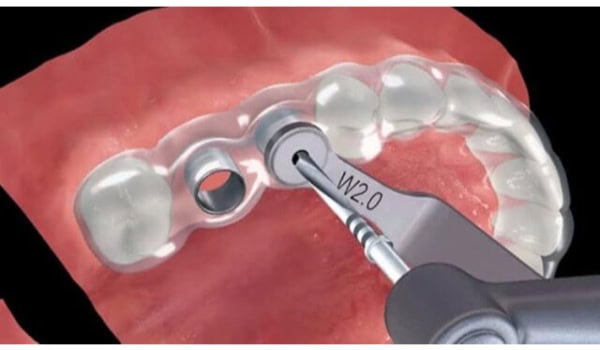
  • 3D-Printed Surgical Guides: Once the plan is approved, a surgical guide is designed to exactly fit the patient’s arch. Surgical guides have sleeves or channels that direct the drilling sequence, so during surgery the implants are placed precisely where the digital plan dictated. The guide is typically fabricated via 3D printing in biocompatible resin. This makes the implant surgery fully guided, translating the computer plan accurately to the patient’s mouth. The result is a more predictable and efficient surgery, often done in a minimally invasive (flapless) manner that is gentler on the patient.


  • CAD/CAM Final Prosthetic: The design (CAD) is then sent to milling machines or 3D printers (CAM – computer-aided manufacturing) which precisely carve or print the crown, bridge, or implant component from high-strength materials. This digital workflow eliminates many of the manual steps that once introduced variability. A restoration designed on-screen will be fabricated exactly as specified, down to microscopic details, thanks to robotic milling accuracy.


Precision, Efficiency, and Improved Outcomes through Digitization


One overarching theme of the digital revolution in full-arch implant dentistry is the significant boost in precision and efficiency, which directly translates to improved clinical outcomes. By removing much of the guesswork and manual labor, digitization allows implant teams to work smarter, faster, and with greater confidence in the results.

  • Enhanced Precision at Every Stage: Digital tools offer a level of accuracy that surpasses traditional methods. This means the models and prosthetics designed from those scans fit more accurately, reducing adjustments. Pubmeds research confirms that fully digital workflows increase the predictability and fit of implant restorations, providing better functional and aesthetic results.


  • Reduced Chair Time and Fewer Clinical Complications: Efficiency gains from digitization manifest in various ways. The planning phase, while thorough, happens virtually and often faster than traditional model-based planning. Surgical time is reduced thanks to guides and pre-planning, which can cut a normally lengthy freehand full-arch surgery into a shorter, well-orchestrated procedure. Faster surgery not only is safer for patients (less time under anesthesia and less surgical trauma) but also frees up valuable chair time for the practice. Moreover, digital accuracy leads to fewer complications down the line – implants are less likely to require repositioning, and prosthetics less likely to fracture or loosen when they’ve been properly planned and fabricated from the start.


  • Improved Long-Term Outcomes: Long-term success is directly related to the accuracy of prosthetic design and implant placement. When implants are positioned correctly (angulation, depth, and spacing), which may be accomplished with guided digital workflows involving a skilled dental lab, they are more likely to integrate with healthy bone and maintain bone levels over time. According to an article, the implementation of digital technology in every stage of implant treatment—from diagnosis to final restoration—makes the process safer, more reliable, and more effective. Collaborating with a dental lab that embraces digital workflows ensures better treatment planning and execution, which is advantageous for both patients and physicians.


    Higher Patient Satisfaction: When precision and efficiency improve, patient satisfaction naturally follows. Patients appreciate shorter treatment times, fewer appointments, and less invasive procedures. Furthermore, the quality of the final result (a beautiful, well-fitting set of teeth) is a huge factor in satisfaction. By partnering with a digitally advanced dental lab, dentists can enhance aesthetics and function through accurate digital design, making it easier to meet patient expectations predictably.


Partner with VCAD for advanced implant solutions. 


As the dental industry embraces the future of full-arch implant restorations, having the right dental lab partner is critical to your success. VCAD Dental Laboratory combines precision craftsmanship with cutting-edge digital workflows to support dentists and specialists through every stage of implant treatment (from guided surgery planning to immediate loading and final prosthetic fabrication). 

Our team of experienced technicians understands the demands of complex full-arch cases and delivers restorations with unmatched accuracy, efficiency, and esthetics. Whether you’re streamlining your digital implant workflow or looking to elevate your full-arch implant offerings, VCAD is your trusted partner for advanced, high-tech implant solutions. Let’s build better outcomes together - one smile at a time.

Reading more:

Fixed Full-Arch Implant-Supported Restorations: Techniques Review and Proposal for Improvement

______________________________________

Contact VCAD Dental Laboratory today to learn more about us.


Hotline: +84963870270

Email: partner@vcaddental.com 

Website: https://www.vcaddental.com/


Modern dental labs play a crucial role in today’s dental care system. They are often considered the backbone of dental practices, providing the essential services and products that dentists need to deliver optimal care. Over the years, the scope of dental labs has expanded dramatically, moving beyond simple denture or crown fabrication. Modern labs employ cutting-edge technology – from CAD/CAM milling machines to 3D printers and digital scanners – to create highly accurate restorations and appliances. 

In fact, the vast majority of dental practices rely on partnerships with labs for restorative and cosmetic cases (one survey found approximately 80% of dentists collaborate with labs for such procedures). This underscores how integral a strong dentist–lab partnership is for effective patient care.

Why Quality importance in Modern Dental Labs


Quality is paramount when it comes to dental lab work. A single fabrication error material can lead to significant issues for both dentist and patient. Poor-quality restorations may cause patient discomfort, fail prematurely, or require frequent adjustments, leading to undermining the patient’s trust in the treatment. Moreover, if a lab’s products often need remakes or fixes, it can strain the dentist-patient relationship and damage the practice’s reputation. 

On the other hand, consistently high-quality lab work boosts patient satisfaction and confidence in their dentist. To ensure reliability, many modern labs follow stringent quality assurance protocols at every step. According to a report, after introducing a comprehensive QA program, the percentage of cases requiring remakes fell from 8% to just 3.4%. This kind of improvement means less wasted chair time and cost for dentists, and a better experience for patients. Labs achieve such quality gains by using digital workflows (to minimize human error), standardizing processes, and carefully selecting high-grade materials. Ultimately, a focus on quality in the dental lab translates to restorations that fit correctly, look natural, and last longer – which benefits everyone involved.

What Services Does a Modern Dental Lab Provide? 


A dental laboratory offers a comprehensive range of products and services, covering virtually all the laboratory needs of a dental practice. Instead of specializing in only one area (like crowns or dentures), a full-service lab is equipped to handle everything from prosthetics to orthodontics under one roof. Key functions include:

  1. Custom Dental Prosthetics: Crafting tailor-made restorations such as crowns, bridges, veneers, inlays/onlays, and dentures. Full-service labs fabricate these prosthetics to each patient’s unique measurements, ensuring a perfect fit and proper bite alignment. This customization helps maintain oral health and comfort. 

  2. Orthodontic Appliances: Producing devices that correct tooth alignment and jaw positioning. Modern labs make removable appliances like clear aligners and retainers, as well as fixed appliances like expanders or habit-breaking appliances. These orthodontic devices are essential for guiding proper alignment and are built to the orthodontist’s specifications. A reliable lab can swiftly fabricate aligner series or sturdy retainers that help patients achieve optimal oral function and aesthetics.

  3. Implant Dentistry Solutions: Supporting implant-based treatments by manufacturing components such as implant crowns, bridges, and custom abutments, and even creating surgical guides. When a dentist places a dental implant, the lab’s role is to design the restoration that attaches to the implant (like an implant-supported crown or denture) with precise fit and shading. Many full-service labs also use digital imaging to design 3D-printed surgical guides, which help dentists perform implant surgery with exacting accuracy. By providing these implant solutions, the lab helps ensure implant cases are successful and look natural.


5 Core Values Modern Dental Labs Offer to Dentists and Clinics


A modern dental lab is now a strategic clinical partner—contributing directly to restorative success, treatment predictability, and patient satisfaction. The following five core values illustrate the essential contributions that advanced dental laboratories offer to today’s dental professionals:

  • Optimized Restoration Quality
    A high-performing dental lab consistently delivers restorations—whether crowns, bridges, veneers, or implant prosthetics—that meet stringent criteria for marginal fit, occlusal harmony, and esthetic integration. The result is fewer chairside adjustments, minimized remakes, and restorations that enhance both oral function and facial esthetics. High-quality lab work not only improves clinical outcomes but also strengthens the practitioner’s reputation and patient trust.

  • Clinical Support in Complex Cases: Beyond fabrication, a trusted lab acts as a clinical partner. It offers case-by-case consultations, material selection advice, and design suggestions for complex cases such as full-mouth rehabilitations or implant-supported restorations, helping dentists achieve predictable success.

  • Digital Workflow Integration
    Digital dentistry has revolutionized communication between clinics and labs. An advanced dental lab is fully equipped to receive intraoral scan data, design CAD-based restorations, and utilize technologies such as 3D printing and CAD/CAM fabricate high-precision prosthetics. This digital synergy shortens production timelines, reduces manual errors, and ensures that the laboratory work integrates seamlessly into the clinical workflow.

  • Efficiency in Time, Cost, and Clinical Resources: By streamlining workflows and minimizing remakes, a digital-enabled lab helps clinics save valuable time and resources. Fast, accurate, and reliable lab work reduces chairside adjustments and optimizes the overall clinical workflow.

  • Enhanced Patient Experience & Satisfaction: The ultimate value of a modern lab is reflected in patient smiles. High-quality restorations that match expectations improve aesthetic results, boost confidence, and foster trust in the clinic, leading to higher treatment acceptance and long-term loyalty.


VCAD Dental Laboratory: Elevating Clinical Through Precision Partnership


In the evolving landscape of restorative and digital dentistry, the role of the dental laboratory is no longer confined to fabrication alone—it now encompasses collaboration, clinical support, digital integration, and patient-centered outcomes. At VCAD Dental Laboratory, we understand this transformation and have structured our lab services to reflect the very core values that define a truly modern dental lab.

With a team of over 120 experienced technicians, our laboratory delivers restorations with exceptional marginal integrity, functional occlusion, and aesthetic harmony—all tailored through case-specific planning and digital workflows. Every unit is crafted with a deep understanding of both material science and clinical requirements.

At VCAD, we believe that the future of dentistry is digitally collaborative, clinically driven, and quality assured.

Reading more:

The digital factory in both the modern dental lab and clinic

_______________________________________

Contact VCAD Dental Laboratory today to learn more about us.


Hotline: +84963870270

Email: partner@vcaddental.com 

Website: https://www.vcaddental.com/

 
AI in the Dental Lab: Automating Design, Quality Control, and Workflow

Artificial intelligence (AI) is rapidly becoming a cornerstone of digital dentistry, particularly in dental labs. Since dental AI solutions encompass tasks from design to quality assurance, lab owners and dentists are witnessing improvements. 

With the increasing demand for crowns, bridges, and dentures worldwide, labs are under pressure to do tasks quickly and affordably, a task in which artificial intelligence provides a significant advantage. Prominent dental technology firms and laboratories have already embraced AI to increase accuracy and efficiency by leveraging its capacity to learn from vast datasets and reduce human error.

How AI is Shaping Modern Dental Labs


Automated dental design is one of the most revolutionary uses of AI in dentistry labs. In the past, creating a crown or bridge included hand modeling and tweaking. The majority of tasks in labor can now be done by AI-driven software. AI can provide very realistic, lifelike restorations in a fraction of the time by utilizing vast scan datasets and skilled designs. 

AI-powered design isn't limited to bridges and crowns. Using comparable data-driven methods, systems are now being used to suggest complete dentures, implant restorations, and orthodontic equipment. Labs and clinics may save a great deal of time and reduce the possibility of human mistakes by automating these design procedures, which ensures consistent, high-quality outcomes every time. 

AI-Driven Quality Control and Material Optimization


One of the most innovative applications of AI in dental labs is automated dental design. In the past, manual modeling and modifying were required to create a crown or bridge. AI-powered software can currently do the bulk of labor-intensive activities. With the use of large scan datasets and expert designs, AI can produce incredibly lifelike and realistic restorations in a fraction of the time.

Even at the case intake, AI can review incoming digital impressions and prescriptions to flag errors like a missing margin or misaligned bite before production begins. This proactive QA prevents costly delays and rework, and minimizes tedious back-and-forth between the lab and clinic. AI can also help optimize processes by analyzing past cases and identifying patterns, enabling better decisions about materials and techniques to improve quality while reducing costs. 

For instance, AI can intelligently nest multiple restorations in a single 3D printing or milling batch to use materials more efficiently. Labs using these AI-driven optimizations report less material waste and lower production costs, since the software learns the best way to maximize yield from each disk, block, or print job. All told, AI not only improves consistency and accuracy but also makes the lab’s workflow more sustainable and cost-effective.

VCAD: Leveraging AI to Improve Production Effectively


At VCAD, AI is integrated at multiple points of the production workflow. The resultant computer automatically creates crowns and bridges from digital images by identifying margins and suggesting an optimal anatomy. 

AI algorithms improve the CAM process during the production phase, modifying the routes of milling or 3D printing to achieve the proper thickness and strength while using the least amount of material possible. To guarantee that only top-notch work leaves the lab, an AI-driven quality check inspects each restoration for flaws or fit problems prior to delivery. By using these technologies, VCAD produces restorations that fit consistently and quickly, requiring fewer remakes or changes.

AI's advantages for laboratories and clinics

  • Fewer Errors and Remakes: AI recognizes problems early, resulting in much fewer corrections and remakes.

  • Enhanced Fit and Consistency: AI's accuracy results in restorations that fit more precisely and require fewer chairside revisions.

  • Faster Turnaround Times: AI greatly reduces case turnaround time by automating design and production procedures. 

  • Material Efficiency and Cost Savings: AI optimization lowers production costs by reducing labor and material waste. 


AI is a driving force behind increased precision, productivity, and expansion in dentistry labs. The technology is assisting laboratories in producing better restorations faster, from automated dental design of crowns and prostheses to strict AI-driven quality verification. More dependable lab work means fewer cases that need to be returned and restorations that seat with little correction, which benefits dentists. As a result, patients benefit from speedier delivery of aesthetically pleasing, well-fitting restorations, which enhances their entire experience. Dental lab work will surely become more high-tech and data-driven in the future, with real-world advantages at every turn. 

Reading more:

Revolutionising dental technologies: a qualitative study on dental technicians’ perceptions of Artificial intelligence integration. 

_______________________________________

Contact VCAD Dental Laboratory today to learn more about us.


Hotline: +84963870270

Email: partner@vcaddental.com 

Website: https://www.vcaddental.com/
3D Printing in Dentistry: Beyond Models to Patient-Specific Solutions 

The rise of digital dentistry has brought transformative tools into dental labs and clinics, with dental 3D printing at the forefront. What originated as a means of rapidly creating models has developed into a vital patient care manufacturing technique. 

In this day and age, 3D printing dental technologies enable the fabrication of custom dental components from surgical implant guides to temporary crowns, faster and more accurately than ever. 

This article explores the evolution of 3D printing in dentistry and how it now powers the fast, precise production of surgical guides, temporary restorations, and other patient-specific solutions. Along the way, we’ll discuss the flexibility this technology brings to treatment planning and highlight real clinical and laboratory advantages like speed, customization, and cost-effectiveness.

How 3D Printing Is Redefining Dental Manufacturing


Dentistry has always been a leader in digital innovation, with CAD/CAM technology revolutionizing how restorations are designed and manufactured. While milling machines improved efficiency, they had limitations in material usage and design complexity. The arrival of 3D printing in the early 2000s brought a new, additive approach. Initially used for resin models, the technology soon advanced to produce clinical-grade restorations like surgical guides, temporaries, and custom implant components. 

Nowadays, 3D printing is entering a mature stage. Even permanent zirconia crowns and removable dentures can now be printed, with bioprinting research pushing into tissue regeneration. This evolution sets a new benchmark in dental manufacturing: fast, precise, and fully digital workflows tailored to each patient’s needs.

Expanding Possibilities: From Surgical Guides to Fully Customized Prosthetics


The evolution of dental 3D printing has extended far beyond diagnostic models. Today, this technology is a powerful driver of innovation, enabling the creation of highly accurate, patient-specific devices such as surgical guides, temporary restorations, and a wide range of prosthetic components. Whether it’s a blue-toned surgical guide, a red lattice partial framework, or a pink denture base, each 3D-printed element serves a distinct clinical purpose. More importantly, these components can be produced rapidly, with precision that enhances both treatment quality and workflow efficiency.

Surgical Guides: Enhancing Implant Precision with Digital Support


Among the most impactful applications of 3D printing dental technology is the production of custom surgical guides for implant placement. These guides are digitally designed using the patient’s scan and treatment plan, then printed to fit securely in the mouth during surgery. Their role is critical: they guide drill angulation, depth, and position with exceptional precision, minimizing the risk of nerve damage or incorrect implant placement.

Clinicians consistently report that 3D-printed surgical guides help streamline procedures, reduce chair time, and improve outcomes. Rather than relying solely on visual estimates or stents from off-site labs, dentists can now produce accurate, patient-specific guides in-house often within 24 hours. This rapid production cycle allows even smaller practices to offer advanced implant services without weeks-long delays, directly translating into greater predictability, confidence, and clinical success.

Temporary Restorations


Temporary restorations—like crowns, bridges, and provisional prosthetics have been revolutionized by 3D printing. Instead of relying on manual sculpting or waiting days for lab results, clinics can now produce custom-fit temporaries within hours.

The workflow is simple: a digital scan is captured using an intraoral scanner, the restoration is designed with CAD software, and a 3D printer creates it layer by layer using biocompatible resin. These prints are ready the same day and often stronger than traditional acrylics.

Patients get comfortable, natural-looking temporaries, while clinics benefit from speed, precision, and easy reprinting if adjustments are needed, making this a powerful upgrade for modern dental practices.

Custom Prosthetics: Precision Personalization for Every Patient


3D printing revolutionizes dentistry by enabling precise, custom-made prosthetics. Instead of labor-intensive wax-ups or metal casting, devices like partial denture frameworks can now be digitally designed and printed with remarkable detail, often requiring no major adjustments.

Because full dentures, orthodontic aligners, occlusal guards, and implant components are all tailored to the unique anatomy of each patient, this digital technique has a broad variety of uses. 3D printing in implant dentistry makes it possible to create provisional restorations and bespoke healing abutments that are suited to the soft tissue shapes, implant depth, and angulation.

Key Advantages of 3D Printing in Dental Labs


  • Speed and Efficiency: Turnaround times are significantly reduced by 3D printing. Previously time-consuming tasks, such as creating aligner models or surgical guidance, may now be finished in a single day. There is no need to wait for outside laboratories because chairside crowns may be completed in a single visit. In addition to increasing patient satisfaction, this speed enables laboratories to process more cases effectively.


  • Precision and Accuracy: 3D printing captures fine details from digital scans with micron-level accuracy. It surpasses traditional techniques and even some milling processes in consistency. The result is better-fitting restorations, fewer adjustments, and more precise surgical guides—ensuring predictable outcomes across cases.


  • Customization and Personalization: Each client receives a customized treatment. Crowns, prostheses, and other appliances can be easily customized by making changes to a CAD design. This enhances comfort and fit while also creating opportunities for creative, patient-specific designs that enhance both functionality and appearance. 


  • Cost-Effectiveness:  Though initial setup requires investment, 3D printing cuts long-term costs. In-house production reduces outsourcing and shipping fees. Material waste is minimal since only the needed volume is printed. Fewer remakes mean less labor, and the technology often pays for itself over time through efficiency gains and higher case throughput.


VCAD: Delivering Precision and Speed With 3D Printing


VCAD – a digital dental laboratory founded in 2018, exemplifies how embracing 3D printing technology can elevate service quality for dentists and labs. As a full-service dental manufacturing partner, VCAD leverages cutting-edge CAD/CAM and 3D printing throughout its production workflow to achieve exceptional accuracy and turnaround times. 

Every item, from fixed prosthetics to removable appliances, is produced with meticulous digital design and then fabricated using advanced milling or printing as appropriate. VCAD guarantees that every restoration or guide is exactly customized to the patient's data in this way, resulting in better fit and appearance upon delivery. The lab provides quick design and manufacturing, frequently completing orders in as little as 24 hours for urgent situations, which is the foundation of VCAD's value.  

In practice, dentists who work with VCAD benefit from both the expertise of an experienced lab and the modern agility of digital production. By harnessing 3D printing to its fullest, VCAD exemplifies how dental labs can deliver patient-specific solutions with unmatched precision, speed, and reliability – a true manufacturing powerhouse behind dental success.

Reading more:

3D Printing of Dental Prostheses: Current and Emerging Applications

_______________________________________

Contact VCAD Dental Laboratory today to learn more about us.


Hotline: +84963870270

Email: partner@vcaddental.com 

Website: https://www.vcaddental.com/
Mastering Precision: The Role of CAD/CAM in Modern Dental Lab Restorations

Modern dentistry demands a high level of precision. Dental restorations – whether crowns, bridges, or implants – must fit perfectly to ensure patient comfort, longevity, and oral health. Traditionally, crafting these restorations involved manual techniques prone to slight inconsistencies. Today, an overwhelming shift toward digital methods is transforming dental labs. CAD/CAM dental technology, which stands for Computer-Aided Design and Computer-Aided Manufacturing – has emerged as a game-changer in achieving restoration accuracy, efficiency, and quality. 

This article examines how CAD/CAM improves crown, bridge, and implant production, why more than 80% of dental laboratories now use it, and how VCAD, as a modern dental lab, incorporates this digital method to provide better outcomes for dental practitioners.

CAD/CAM Dental Technology: The New Standard in Modern Dental Labs


CAD/CAM technology combines advanced dental CAD design software with automated manufacturing hardware to streamline how restorations are made. Instead of hand-carving wax models or casting metal in a furnace, technicians now use 3D scanners and specialized software to design restorations on a computer. 

The design (CAD) is then sent to milling machines or 3D printers (CAM – computer-aided manufacturing) which precisely carve or print the crown, bridge, or implant component from high-strength materials. This digital workflow eliminates many of the manual steps that once introduced variability. The result is a digital dental lab process that is highly consistent and reproducible. A restoration designed on-screen will be fabricated exactly as specified, down to microscopic details, thanks to robotic milling accuracy.

According to Group Dentistry Now, over 80% of the laboratory industry now uses CAD/CAM as a primary manufacturing method for a wide range of products. In other words, eight out of ten dental labs have made CAD/CAM the backbone of their production. This widespread application demonstrates how crucial digital processes have become to provide reliable, superior restorations in contemporary dentistry.

Enhancing Restoration Accuracy and Fit


The increased precision that CAD/CAM offers to dental restorations is one of its greatest advantages. Using CAD software, professionals can precisely adjust every feature of a crown or bridge on-screen, guaranteeing that the margins, the places where the restoration and tooth meet, are perfect. When CAM equipment is used to produce this design, the end product is a restoration that fits the prepared tooth securely and has few gaps. Improved marginal adaptation lowers the possibility of leakage or recurring degradation at a crown's margins by creating less room for bacteria or cement. 

Reduces Human Error


Digital fabrication also drastically reduces human error. Manual craftsmanship will always carry slight inconsistencies from one piece to another. In contrast, once a design is set in the CAD software, every milled unit will be virtually identical to that design. This consistency leads to far fewer mistakes and remakes in dental lab restorations.


In fact, labs that implement fully digital workflows see significantly fewer errors. According to a report by the National Institutes of Health, labs adhering to digital design and manufacturing protocols saw a 40% reduction in remakes and adjustments on dental lab restorations. Fewer remakes not only save time and cost for both the lab and the clinic, but also indicate that the restorations are done right the first time.


Restoration accuracy


Digital fabrication also drastically reduces human error. Manual craftsmanship will always carry slight inconsistencies from one piece to another. In contrast, once a design is set in the CAD software, every milled unit will be virtually identical to that design. This consistency leads to far fewer mistakes and remakes — a key advantage for any dental design lab focused on high-precision results in dental lab restorations.


In fact, labs that implement fully digital workflows see significantly fewer errors. According to a report by the National Institutes of Health, labs adhering to digital design and manufacturing protocols saw a 40% reduction in remakes and adjustments on dental lab restorations. Fewer remakes not only save time and cost for both the lab and the clinic, but also indicate that the restorations are done right the first time.


Efficiency and Faster Turnaround Times


Beyond accuracy, CAD/CAM brings remarkable efficiency improvements to dental lab workflows. Traditional hand-crafted restorations including waxing, casting, layering porcelain, and multiple rounds of try-ins. CAD/CAM automation shortens these production cycles. This means that labs can produce restorations much faster than before. A crown that might have taken a week or more with conventional methods can be milled in a single day with CAD/CAM if needed. 

The streamlined digital process also cuts down on back-and-forth shipping and manual model handling. For example, digital impressions taken in the clinic can be sent electronically to the lab within minutes, eliminating the need to mail physical impressions. The lab can begin designing immediately, and once milled, the final product can be shipped out or even made chairside. This acceleration is why CAD/CAM-powered labs offer faster turnaround times for restorations, enabling dental practices to treat patients more efficiently. 

Learn how VCAD leverages CAD/CAM for your cases


As a fully digital dental lab, VCAD has integrated CAD/CAM dental technology into the core of our services to provide tangible benefits for our clients. From the moment you send a case to us, our workflow leverages the latest in CAD/CAM dental systems to ensure speed, accuracy, and reliability. We use cutting-edge dental computer-aided design (CAD) software to design each crown, bridge, and implant restoration, and we use high-precision CAM milling machines to produce them. Because of VCAD's dedication to digital perfection, you can count on consistently excellent results whenever you work with them. Our CAD/CAM-driven methodology provides dentists and clinics with the following useful advantages: 

  • Exceptional Fit and Accuracy: Every restoration from VCAD is digitally designed for a superior fit and marginal adaptation. The precise CAD modeling and milling mean minimal chairside adjustments for you and a perfect fit for your patients from day one. Our crowns seat with tight margins and correct occlusion, reducing adjustment time and ensuring long-term success. 

  • Faster Turnaround Times: Faster Turnaround Times: Our method is designed to be digitally efficient. We may reduce the usual manufacturing schedule by days by producing a final product from a digital imprint or scan. This shorter turnaround enables your clinic to complete treatment plans more quickly and improve patient satisfaction by delivering restorations to patients sooner.

  • Fewer Errors and Remakes: By minimizing manual steps, VCAD’s workflow significantly reduces the risk of errors. The accuracy of our CAD/CAM systems means that remakes are rare – cases are done right the first time. Fewer remakes and adjustments also translate to less wasted material and more predictable scheduling for your clinic.

  • Consistent High Quality: With CAD/CAM dental technology, every product we deliver meets the same high standard of quality. Digital consistency ensures that whether it’s a single-unit crown or a full-arch implant bridge, you receive restorations with excellent anatomy, strength, and esthetics.


At VCAD, mastering precision isn’t just a slogan – it’s how we operate every day. We believe that embracing CAD/CAM technology is essential to provide the level of service and results that modern dental professionals expect. By leveraging a completely digital workflow, we help our clients achieve superior fit, faster service, and worry-free quality in their restorative cases. CAD/CAM dental technology has truly become the cornerstone of modern dental lab restorations, and VCAD is proud to be at the forefront of this digital revolution, delivering practical benefits to dentists and their patients through enhanced accuracy, efficiency, and overall excellence in every dental lab restoration we produce.

Reading more:

Top Remarkable Dental CAD Design Companies: Revolutionizing Precision in Dentistry

Advancements in CAD/CAM technology: Options for practical implementation

REQUEST A TRIAL ORDER

Request Sample Case VCAD