

Blog


Dental bridge restorations are undergoing a major transformation in 2025. In international markets such as the U.S. and Europe, dentists and dental technicians are leveraging advanced materials and digital technologies to enhance the quality of restorations. The demand for high aesthetics, quick turnaround, and minimally invasive procedures—combined with the rise of metal-free ceramic materials have driven rapid progress in dental bridge solutions (Zarone et al., 2019).

This article will provide a detailed analysis of the leading trends in dental bridge restorations—including the key drivers behind their rapid evolution, the latest advancements in restorative materials (such as zirconia, lithium disilicate, and cast gold), the integration of CAD/CAM and 3D printing technologies, the clinical advantages, and real-life case studies demonstrating successful outcomes.

Why Are Dental Bridges Evolving in 2025?


Aesthetic Demand and New Materials


Patients are increasingly favoring metal-free materials for their superior aesthetics and to avoid metal allergies. The emergence of high-strength ceramics, hybrid composites, and new-generation dental polymers has significantly expanded the options for fixed restorations, while aligning with the growing trend of minimally invasive dentistry (Zarone et al., 2019b).

The Rise of Digital Technology


Dental technology is changing quickly thanks to digital innovations that allow for more flexibility and accuracy in prosthesis design. Digital impressions, CAD/CAM design, and 3D printing have all greatly accelerated and improved the process for dental bridges. Digital workflows provide same-week restorations, eliminating the need for patients to wait weeks for their prosthesis or put up with painful alginate impressions. 

Competing with Implants


The widespread adoption of dental implants has pushed bridge techniques to evolve in order to remain relevant. Modern bridges emphasize preservation of natural teeth, avoid surgical bone intervention (as implants require), and offer cost-effective solutions, making them a compelling option in many clinical scenarios.

Advancements in Dental Bridge Materials and Technologies


Materials 


  • Zirconia (Zirconium Dioxide): a non-metal ceramic material, is emerging as the new gold standard in modern dental bridge restorations. With an exceptionally high flexural strength (ranging from 500 to 1200 MPa) and outstanding fracture resistance, zirconia enables the fabrication of long-span bridges even in high-load posterior regions. It is also highly biocompatible and non-irritating to the gingival tissue. Its smooth surface minimizes plaque accumulation, helping reduce inflammation around abutment teeth.


  • Lithium Disilicate (IPS e.max):  a glass-ceramic known for its natural beauty and adaptability in single-unit restorations, is most commonly marketed under the IPS e.max name. It performs noticeably better than conventional feldspathic porcelain because of its distinct crystalline structure and flexural strength of about 400 MPa. This makes it appropriate for anterior or premolar short-span bridges (usually up to three units).


  • Full-cast gold: Full-cast gold crowns and bridges have a proven track record of lasting 30 to 40 years—or longer—with proper care. Their unmatched durability and marginal precision are key advantages. Thanks to high-fidelity impressions and the superior casting properties of noble alloys, gold restorations achieve an extremely accurate fit, hugging the tooth preparation closely and securely.


Digital Technology is Transforming the Dental Bridge Workflow ( CAD/CAM / 3D printing/ AI )


The workflow for dental bridges is being quickly transformed by digital innovation, which speeds up operations for dentists and produces more precise restorations. According to statistics, 57% of dental clinics in the United States will have intraoral scanners by 2025, and the percentage is still rising (Al-Hassani, 2025). 

Dental technicians create the 3D dental bridge using CAD software, such as 3Shape or Exocad, once intraoral data has been collected. These sophisticated algorithms incorporate large tooth libraries that are arranged according to anatomical traits, age, and gender, enabling a high level of patient-specific customization. Based on the CAD design, the bridge is automatically manufactured during the CAM phase. 5-axis CNC milling machines are the most widely utilized devices for accurately machining ceramics, wax, or zirconia.

Furthermore, 3D printing technology is becoming a potent auxiliary instrument. Bridges are made with outstanding fit, little correction, and, when employing in-house laboratories, may frequently be finished in a single day because of this digital approach.

How these advancements are Revolutionizing Dental Bridge Workflows


The innovations in materials and digital technologies for dental bridges in 2025 bring a wide range of tangible clinical benefits. Here are the most significant:

1. Improved Durability and Longevity


Studies show that bridges made from zirconia and other new-generation biocompatible materials can last over 20 years with proper care, surpassing the typical 10 –15 years lifespan of traditional porcelain-fused-to-metal bridges. These materials are also more resistant to fractures and chipping, which means fewer repairs or remakes over time.

2. Better Gum and Bone Health


Thanks to adhesive bridges and bondable materials, dentists can now preserve more natural tooth structure, with less drilling on abutment teeth compared to conventional methods. This contributes to stronger supporting teeth and reduces the risk of pulp complications. Digital precision also ensures tighter margins and a snug fit against the gums, minimizing bacterial buildup and supporting healthier, inflammation-free gingiva.

3. Reduced Recovery Time and Fewer Adjustments


Digital innovations have greatly decreased the time from imprint to final placement. Digital laboratories can now provide bridges in a few days, or even the same day for simple applications, whereas older operations may take one to two weeks. In addition to improving the patient experience, this also cuts down on the number of visits, which is particularly advantageous for people who live far from the clinic or are busy. 


Case Studies and Clinical Trials: Real-World Success with Modern Dental Bridges.


Case study – European Prosthodontic Association, 2025

In 2025, the European Prosthodontic Association carried out a clinical trial that compared the manufacturing of dental bridges using a digitally integrated workflow (CAD/CAM + 3D printing) with traditional methods, tracking 50 patients.

  • The outcomes were remarkable: Compared to the traditional group, the digital group's overall treatment time was lowered by 60%.

  • Compared to patients treated with the conventional approach, 98% of patients in the digital group expressed excellent satisfaction with the fit and comfort of their restorations.


A new generation of restorative solutions that are more robust, aesthetically pleasing, and highly customized is being delivered by the combination of zirconia, lithium disilicate, improved cast gold, CAD/CAM processes, 3D printing, and AI-powered design.

Adopting these advances enhances clinical efficiency for dentists and clinic owners, decreasing chairside modifications, saving time, and cutting long-term expenses, in addition to improving treatment quality and professional reputation. The advantages for patients are equally important: dental bridges that provide outstanding function and natural beauty, as well as quicker, more pleasant procedures.

Reading more:

Expectations and perceptions of Greek patients regarding the quality of dental health care

______________________________________

Contact VCAD Dental Laboratory today to learn more about us.


Hotline: +84963870270

Email: partner@vcaddental.com 

Website: https://www.vcaddental.com/
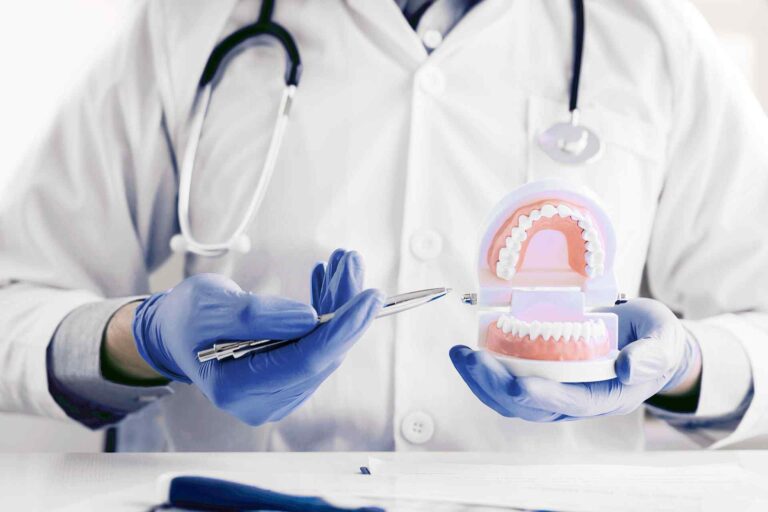
 
Finding a trustworthy dental prosthetics lab is crucial in modern dentistry to guarantee treatment quality and patient satisfaction. VCAD Dental Laboratory is a trustworthy partner for dental professionals and clinics around the globe. Our lab creates dental prostheses that satisfy international standards by fusing creativity, workmanship, and superior customer service. VCAD is more than just a dental lab; it's a tactical partner for practices looking to improve care quality and streamline operations.

Precision Engineering with Fast Turnaround Time


Time is critical in dentistry. VCAD is aware of this and has created a digital workflow that is efficient and backed by skilled specialists to ensure speed without sacrificing quality:

  • Same-week turnaround for most common prosthetic cases

  • Rush case options for urgent dental needs

  • Real-time production tracking

  • Design time: within 8 hours for cases under 7 units

  • Production time: within 2 working days for crafted items under 7 units


Whether you need a single crown or a full-arch restoration, we deliver consistently and efficiently.

High-Quality Materials


To guarantee outstanding product quality and manufacturing efficiency, we collaborate with leading material suppliers who have a wealth of dental industry experience. In addition to premium metals like titanium, chrome, and cobalt, our materials include well-known names like Zirconia (Aidite, China), E.max (USA), Lava (USA), Cercon (Germany), and Orodent (Italy).

All restorations and materials adhere to strict international standards, such as CE, FDA, and ISO certifications, which ensure dependability, safety, and constant quality.

Highly qualified & experienced team


Behind every restoration at VCAD is a team of highly skilled dental technicians with more than 15 years of professional experience. Our specialists bring deep expertise in both analog and digital workflows, and continually engage in training programs to stay updated with the latest advancements. Their dedication to detail and precision ensures each product meets functional expectations and delivers superior aesthetics and long-term performance.


High-end technology and constantly updating advances skill


VCAD invests in advanced technologies to ensure every product is fabricated with the highest level of accuracy. Our facility houses premium equipment, including:


This seamless integration of cutting-edge machinery and skilled craftsmanship allows us to deliver restorations that exceed expectations in fit, esthetics, and long-term performance. Whether it's a single crown or a complex full-arch case, you can trust VCAD to deliver results that stand the test of time.

Dedicated After-Sales & Technical Support


Collaborating with VCAD Dental Laboratory entails more than just getting high-quality restorations; it also means having a committed, dependable support staff on your side. Our experts offer customized, case-by-case advice, whether you're handling a complicated implant situation or perfecting veneer shade selection.


As a trusted dental laboratory, we guarantee prompt, transparent communication via your preferred channels—phone, email, or instant messaging—so you can confidently focus on delivering the best outcomes for your patients.


Working process at VCAD dental lab


At VCAD Dental Lab, each dental restoration goes through a meticulously managed, step-by-step process to ensure optimal accuracy, aesthetics, and consistency. 

A high-quality denture design lab follows a step-by-step process including:


How Our Products and Services Empower Our Clients


With our three core services — Dental CAD Design, Restorative Product Manufacturing, and OEM Lab Services — VCAD Dental provides effective, end-to-end solutions that address key challenges faced by dental clinics and laboratories worldwide. From reducing operational costs and increasing productivity to optimizing labor resources, our offerings help partners operate more efficiently and scale sustainably.

VCAD Dental Lab has established long-term partnerships with over 200 dental labs and clinics across 20 countries. Notably, many of our partners have experienced significant revenue growth and cost reduction since collaborating with us. This impact has not only improved their bottom line but also strengthened our reputation as a trusted global partner in the dental industry.

“Choosing the right dental lab partner, such as VCAD Dental, is crucial for a successful outsourcing experience, ensuring seamless communication, advanced technology utilization, and consistent, high-quality results.”
Benzinga Magazine

Reading more:

Dental prostheses and tooth-related factors

VCAD Dental Laboratory Addresses Modern Dental Practice Challenges with Innovative Outsourcing Solutions

_______________________________________

Contact VCAD Dental Laboratory today to learn more about us.


Hotline: +84963870270

Email: partner@vcaddental.com 

Website: https://www.vcaddental.com/


Aesthetic dentistry is a vital aspect of modern dental care, yet the perception of a “beautiful smile” varies significantly across cultures and countries. Numerous studies have confirmed that beauty standards are heavily influenced by an individual’s social and cultural context. Smile aesthetics in the U.S. and South Korea differ considerably in customer preferences, design approaches, materials used, and the influence of media and cultural values. This article offers an in-depth analysis of the key differences between the American-style and Korean-style natural smile design trends, helping dentists and clinic owners better meet patient expectations through tailored dental design services.

1. Why Understanding Regional Smile Design Trends Matters


The demand in cosmetic dentistry is shifting rapidly—from purely functional restorations to lifestyle- and experience-driven transformations. Patients today are not only looking for strong and healthy teeth but also for smiles that match their identity, facial features, and personal image.

Understanding the aesthetic preferences behind American and Korean smile styles enables dental professionals to:

  • Offer accurate, style-aligned smile consultations tailored to each patient’s unique taste.

  • Personalize restorations for higher satisfaction rates.

  • Differentiate their services, elevating brand value and positioning in a competitive market.


In the era of personalized aesthetics, mastering and flexibly applying both American and Korean smile design philosophies is a powerful competitive advantage for dentists, clinics, and dental labs. This knowledge not only improves the quality of restorations but also supports strategic growth in the high-end dental service segment.

2. Dental Market Trends: Popular Aesthetic Preferences in the U.S., South Korea, and Vietnam


United States: A Shift Toward Natural Smile Aesthetics


The U.S. cosmetic dentistry market is highly developed, offering a wide range of services across both mid-range and premium segments. The “Hollywood Smile” has long been a flagship service in many cosmetic dental clinics, fulfilling the dream of a perfectly white, symmetrical smile (Dental, 2023). Americans are very fond of services that help achieve white and straight teeth: the most popular is professional teeth whitening, with approximately 19% of Americans having had their teeth whitened at a dental clinic according to a recent survey. (Ballard, 2023).

However, by 2025, the spotlight is shifting toward the “Natural Smile Makeover.” An increasing number of American patients now request smiles that appear naturally beautiful rather than overly perfect. New aesthetic benchmarks are emerging, such as semi-translucent tooth shades, slightly asymmetrical tooth shapes, and realistic surface textures.

This evolution in patient expectations is pushing U.S. dentists to diversify their offerings. In addition to traditional porcelain veneers, many clinics now include services like composite bonding, subtle whitening, and Invisalign orthodontics to meet this demand for natural, minimally invasive transformations.

South Korea: A Leader in Harmonious, Subtle Smile Design


South Korea is a well-established hub for cosmetic dentistry in Asia, attracting not only domestic patients but also a growing number of international dental tourists, especially from neighboring countries like China, Japan, and Vietnam.

Korean patients generally prefer subtle, harmonious smile designs, aligning with the cultural emphasis on natural beauty. As a result, services such as ultra-thin veneers, aesthetic orthodontics, and teeth whitening are especially popular (Tourism, 2025).

A notable trend in Korea involves early orthodontic treatment among young adults to achieve a well-aligned smile, followed by the selective application of just a few veneers to refine the aesthetics. This approach emphasizes minimal restoration combined with strategic alignment, in contrast to full-mouth porcelain treatments. Furthermore, dental design services in Korea are often linked to jaw and facial surgery. Many patients undergo orthognathic surgery to correct jaw alignment (e.g., protruding jaws) alongside dental treatment, seeking a comprehensive transformation of both smile and facial profile (Seo & Choi, 2021).

Table 1: Smile Design Style Comparison: Hollywood Smile vs Korean Smile


Criteria


Hollywood Smile

Korean Smile


Technique Comprehensive intervention: tooth preparation, multiple veneers/crowns at once, whitening, gum surgery if needed. Fairly invasive but offers quick, dramatic results. Often utilizes DSD (Digital Smile Design) to visualize outcomes for patients. Minimally invasive approach: mild orthodontics if needed, ultra-thin veneers on select teeth, minimal drilling (preserving pulp). Gradual adjustments using a combination of low-impact methods like orthodontics, bonding, and whitening.
Tooth Shape & Color Teeth are often made larger and squarer (especially for men) to create a bold, healthy appearance. Incisal edges of front teeth are nearly aligned, forming a slightly curved but full smile arc. Tooth shades typically in bright tones (A1, B1, or bleached), often whiter than natural. Tooth shapes are refined and softer: rounded corners, not overly long incisors, with proportions matching East Asian facial features. Smile arc follows the natural contour of the lower lip; corners of the mouth are not overly exposed. Shades are bright but within the natural range (A1, A2) to avoid excessive brightness.
Restorative Materials Lithium disilicate veneers (e.g., E.max) commonly used for anterior teeth due to strength and aesthetics. Full-contour zirconia crowns are preferred for posterior teeth or high-load cases. Increasing use of multilayered ceramics to mimic enamel. Composite is rarely used for permanent veneers—mainly for temporary or minor bonding. Ultra-thin porcelain veneers (e.g., multilayered feldspathic porcelain) used to minimize tooth reduction. E.max and zirconia are also used when needed but selected carefully to preserve natural translucency. Popular use of “no-prep” Korean veneers—specially formulated thin ceramics with strong bonding. Composite is often used for minor reshaping or as a precursor to ceramic work.

3. Strategic Insights for Dental Clinic Owners


For clinic owners and dental professionals, recognizing these evolving market preferences is key to building a competitive and sustainable service offering. By aligning with these dual trends—natural enhancement in the U.S. and harmony-focused minimalism in Korea—clinics can:

  • Tailor treatment plans to meet specific cultural and aesthetic expectations

  • Offer consultative services that prioritize long-term oral health and personalized beauty

  • Position their practices for success in both local and international patient markets


Understanding the intersection between culture and cosmetic dentistry not only improves patient satisfaction but also provides a strategic advantage in the premium dental care landscape.

4. Why Choose VCAD?


For clinic owners and dental professionals, recognizing these evolving smile design trends is key to building a competitive and sustainable service offering. By aligning with these dual trends—natural enhancement in the U.S. and harmony-focused minimalism in Korea—clinics can:


  • Tailor treatment plans to meet specific cultural and aesthetic expectations


  • Offer consultative services that prioritize long-term oral health and personalized beauty


  • Position their practices for success in both local and international patient markets


Understanding the intersection between culture, smile design trends, and cosmetic dentistry not only improves patient satisfaction but also provides a strategic advantage in the premium dental care landscape.


Reading more:


Cultures of oral health


_______________________________________

Contact VCAD Dental Laboratory today to learn more about us.


Hotline: +84963870270

Email: partner@vcaddental.com 

Website: https://www.vcaddental.com/
Taxes and Import Regulations for Dental Restorations from Vietnam into the global countries.

Importing dental restorations (such as Zirconia crowns, Acrylic dentures, Titanium implants...) from Vietnam into the global countries require dental clinic owners and dentists to understand import duties and associated fees. This article provides in-depth information on HS codes and duty rates by material type, fees such as MPF and HMF, FDA compliance requirements, and practical tips to help you save costs while complying with U.S. import laws.

1.Import Duties and HS Codes for Zirconia, Acrylic, and Titanium Dental Restoration


The U.S. assigns different HS codes and duty rates depending on the material of the dental restoration. In general, dental prosthetics fall under the group “Artificial body parts – Artificial teeth and parts thereof”.

Zirconia Dental Restorations (Zirconia Crowns and Bridges)

  • Import Duty Rate: Under the U.S. MFN tariff schedule, zirconia crowns and bridges are currently duty-free. This means that these restorations are exempt from basic U.S. import tariffs, making them a cost-effective option for international trade.


Acrylic Dental Restorations (Dentures, Acrylic-Based Prosthetics)

  • Acrylic-based dental restorations, including full and partial dentures, are also not subject to U.S. import duties under the MFN tariff system. This allows these products to be imported without any basic tariff burden.


Titanium Dental Restorations (Implants, Metal Frameworks, Abutments)

Titanium dental components (e.g., implant fixtures, abutments, titanium bridge frameworks) are classified under artificial teeth and parts thereof. In fact, implants and abutments are considered “parts of artificial teeth.”

Titanium dental components such as implants, abutments, and metal bridge frameworks are classified as parts of artificial teeth. These products are likewise exempt from basic U.S. import duties, aligning with the treatment of zirconia and acrylic restorations.

25% Additional Tariff on Products Originating from China

Although the basic import duty for the aforementioned dental restorations is 0%, it is important to note that products originating from China are subject to an additional 25% tariff under Section 301 of the Trade Act.
Since 2018, the U.S. has imposed a 25% additional tariff on crowns, bridges, dentures, implants, veneers, etc., from China.
This means if your clinic imports dental crowns or dentures from China, you must pay an additional 25% on top of the 0% base duty. To optimize costs, dentists may consider sourcing from other countries (e.g., Vietnam), which are not subject to this additional tariff.

2. Practical Tips for Cost-Saving and Legal Compliance When Importing


Importing dental restorations from Asia can offer significant cost savings, especially when clinics select reliable partners and ensure full regulatory compliance. For dental clinics utilizing dental design services, these strategies are particularly important to maintain quality and minimize financial and legal risks.


To minimize costs and ensure compliance with U.S. regulations, here are some practical suggestions for dental clinics importing dental restorations from Asia:

Choose the Right Supplier and Country of Origin


Goods from China are currently subject to a 25% additional tariff under U.S. trade regulations, which increases total cost significantly. To control expenses, consider sourcing from high-quality dental design service providers in countries like Vietnam, South Korea, or Taiwan—where dental restorations typically enjoy a 0% basic duty rate. However, it's crucial to evaluate not only pricing but also the supplier's credibility, experience, and ability to meet U.S. standards, especially for CAD/CAM and digital dental design work.

Optimize the Shipping Method


For small and urgent shipments, air freight (international express) is usually a good option. Air shipments are not subject to the Harbor Maintenance Fee (HMF), which only applies to ocean freight, saving you additional costs. For large shipments (e.g., hundreds of crowns at once) where time is not critical, sea freight may offer lower transport costs. However, it includes the HMF (0.125%) and longer customs clearance time.

Ensure Proper Labeling and Documentation


When importing, ask your supplier to clearly label the country of origin on product packaging. Proper labeling (e.g., Made in Vietnam, Made in Korea) facilitates customs clearance and avoids U.S. customs violations. Keep invoices, packing lists, and FDA certificates (if available) well-organized to present when required.

Control Quality and Maintain Traceability


To protect your clinic’s reputation, collaborate closely with your Asian supplier to ensure product quality. Ensure they use medical-grade Zirconia, Acrylic, and Titanium materials and follow safe sterilization procedures. Request material origin certificates and quality inspection reports for every shipment. This not only assures product safety for patients but is also useful in case of FDA or state dental board traceability audits.

Importing dental restorations from Asia into the U.S. can offer economic benefits to dental clinics but requires a solid understanding of import duties and legal regulations. Clinic owners and dentists should be well-versed in product HS codes, applicable taxes and fees (import duties, MPF, HMF), and ensure supplier compliance with FDA medical device requirements.
With proper planning and trusted partners, you can reduce import costs while ensuring legal safety for your dental business. Stay updated with changes in U.S. trade policies and government guidance to maintain a smooth and sustainable import process.

3. Why Choose VCAD?


  • Precision Engineering: Design accuracy within < 30 microns, ensuring perfect fit and function.

  • Fast Turnaround Time: Standard delivery time of only 2–5 working days, ideal for international labs and clinics with tight deadlines.

  • Certified Quality: Products meet international quality standards, such as ISO 13485, FDA materials.

  • Strict Quality Control Systems: Each case undergoes rigorous multi-step quality inspections to ensure consistency and reliability.

  • Dedicated After-Sales & Technical Support: Responsive support teams provide guidance, troubleshooting, and long-term partnership care.


Whether you're a dental clinic, laboratory, or brand looking to expand your service capabilities under your own label, VCAD Dental is your trusted OEM manufacturing partner for high-quality dental solutions at global standards.

Reading more

Global Economic Impact of Dental Diseases

_______________________________________

Contact VCAD Dental Laboratory today to learn more about us.


Hotline: +84963870270

Email: partner@vcaddental.com 

Website: https://www.vcaddental.com/
Updating: Invisalign Palatal Expander - A New Era In Early Orthodonctic Treatment

Launch in London—Shaping the Future of Pediatric Orthodontic Treatment


Align Technology has officially launched the Invisalign Palatal Expander (IPE) system in the United Kingdom and Ireland during a prestigious black-tie event held in central London.


This groundbreaking innovation features a series of 3D-printed appliances designed to gradually expand the upper arch in children aged 6 to 11. With its removable and child-friendly design, this method offers a more comfortable experience for young patients while addressing several limitations of traditional palatal expanders—notably reducing the number of follow-up appointments required during orthodontic treatment.


Amid the growing demand for orthodontic treatment in children and adolescents, the launch of the IPE allows Align to offer a more comprehensive early intervention solution alongside its Invisalign First line. The system ensures a comfortable treatment experience while providing improved support for pediatric oral hygiene.


1. What Is the Invisalign Palatal Expander?


The IPE is a palatal expansion solution designed for children aged 6 to 11. It is digitally designed and manufactured using advanced 3D printing technology. The device enables precise, phased expansion of the palate while ensuring a comfortable experience, maintaining optimal oral hygiene, and fitting seamlessly into a child’s daily lifestyle.

  • Designed based on Itero Lumia scan data for maximum accuracy

  • Fully integrated with Invisalign First, creating a continuous treatment flow from expansion to alignment

  • Aesthetic and functional—no metal, easy to remove, boosting children's confidence in school and social interactions.


Moreover, the use of additive manufacturing (3D printing) enables the production of lightweight, flexible, biocompatible appliances that are not only clinically effective but also significantly more comfortable for pediatric patients. These appliances deliver controlled, gradual expansion forces over time, guided by a predetermined activation schedule built into the design—eliminating the need for manual screw adjustments.

2. Clinical Benefits of the Invisalign Palatal Expander vs Traditional Palatal Expanders


Compared to conventional metal-based fixed palatal expanders—which are attached to the teeth and require daily screw activation—this new appliance offers a number of outstanding clinical advantages for pediatric care. As an innovative 3D-printed solution, it is transforming early-phase treatment with a patient-centered approach. Below are the key benefits of using this system in early interceptive care:


  • Easy to remove, easier to clean, greater comfort for pediatric patients


  • Less pain and reduced anxiety


  • Aesthetic appeal


  • No food restrictions


  • Fewer appointments and fewer emergencies


Many orthodontists attending the event expressed enthusiasm for the device from their very first clinical experience. Dr. Marissa Bell, an orthodontic specialist based in the UK, remarked that “it looks fantastic compared to traditional fixed metal expanders.” She emphasized that its removable design makes oral hygiene significantly easier for young children and praised the appliance’s slim profile, noting it “takes up much less space in the mouth.”


Similarly, Dr. Catherine McCanny shared that the system is “much more patient-friendly” and described it as “truly exciting” to implement in today’s clinical workflows.


3. Future Potential: Clinical Potential for Practices and Benefits for Parents and Pediatric Patients. 


With the introduction of this advanced appliance, experts believe that early orthodontic care is entering a new chapter. According to recent statistics, treatments in younger age groups now account for approximately 20% of all cases each year, and this figure continues to grow. The trend reflects a rising awareness among parents who are seeking early intervention for their children, as well as a growing readiness among clinics to adopt next-generation solutions tailored to pediatric needs.


From the perspective of families, early-phase correction offers numerous practical advantages. Children can now experience palatal expansion in a gentler, less painful manner, with minimal disruption to their daily routines or oral hygiene. Parents also gain greater peace of mind, knowing the appliance is easy to remove for cleaning, gentle on tissues, and enables their child to eat and drink comfortably—without lifestyle limitations.


VCAD believes that the Invisalign Palatal Expander System represents a major breakthrough in global orthodontics, ushering in a new era of “smart and aesthetic treatment for children.” More than just a replacement device, this introduces an entirely new treatment philosophy: timely intervention, minimal invasiveness, and maximum personalization.

Reading more:

Transforming early orthodontic treatment with the Invisalign Palatal Expander System

Effective Dental Practice Management Tips for Optimal Performance

_______________________________________

Contact VCAD Dental Laboratory today to learn more about us.


Hotline: +84963870270

Email: partner@vcaddental.com 

Website: https://www.vcaddental.com/
What’s Next in Dentistry? The Top 5 Innovations Redefining Dental Industry by 2025

The dental industry is undergoing an unprecedented transformation, driven not only by technological advancements but also by a fundamental shift in patient expectations. Patients are no longer satisfied with conventional models of care. They increasingly demand fast, precise, and highly personalized treatment experiences. In response, dental professionals and laboratories are compelled to adopt cutting-edge technologies—such as artificial intelligence, digital scanning, CAD design, 3D printing, and cloud-based data management—not merely to enhance clinical outcomes but to remain competitive in an evolving healthcare landscape.

This transformation is further accelerated by the convergence of rising patient expectations and the evolving professional aspirations of a new generation of dentists and dental technicians. In this context, organizations that proactively embrace innovation—investing in advanced technologies, upskilling their workforce, and building globally scalable operational models—are poised to become the true leaders of next-generation dentistry.

1.Automation and AI are Transforming the Dental Industry


In the context of industry-wide digital transformation, automation and artificial intelligence (AI) are playing a central role in enhancing operational efficiency and improving the quality of patient care in modern dental clinics.

1.1 Automation in Practice Management


Modern dental management software integrates a wide range of automated functions, including:


  • Automated appointment scheduling and reminders via SMS or email


  • Instant electronic billing and invoicing after treatment


  • Cloud-based electronic health records for seamless tracking and accessibility


  • Real-time analytics for financial reporting, practitioner performance, and patient recall rates


These tools reduce administrative workload and create a smoother, more consistent patient experience.


1.2 AI-Powered Personalized Patient Experience


Thanks to AI, dentists are moving closer to delivering precision-based, personalized care tailored to each individual’s oral health profile.


  • AI-Assisted Diagnostics: AI systems can analyze X-rays, CBCT scans, intraoral images, and even digital impressions created during 3D dental design workflows to automatically detect caries, bone loss, periodontal disease, and more. They also suggest preliminary treatment plans, supporting dentists in making faster and more accurate clinical decisions.

  • Virtual Assistants (Chatbots): AI-powered chatbots can respond to patient inquiries, recommend appropriate services, and provide post-treatment care guidance—an especially useful enhancement for clinics offering advanced dental design services such as customized crowns, aligners, or splints.

  • Predictive Analytics: AI can anticipate future patient needs by analyzing clinical history and treatment data. This enables timely interventions and follow-ups, contributing to a more proactive approach in both general dentistry and specialized 3D dental design applications.


1.3 3D Printing in Dentistry


3D printing technology has rapidly entered the dental industry and is now becoming an essential tool in modern digital clinics and dental laboratories. Unlike traditional methods that rely on manual impressions, casting, and modeling, 3D printing enables the creation of highly accurate, fully customized dental restorations with significant time savings.

 Why Are Dentists Adopting 3D Printing?

Dentists and dental labs are increasingly turning to 3D printing due to its clear clinical and operational advantages:

  • Accelerated Workflow: The complete digital process—from intraoral scanning, design, to printing and finishing—can be completed in just a few hours.

  • Greater Precision: 3D printing eliminates many of the inaccuracies associated with traditional impressions and manual modeling.

  • High Customization: Each case can be tailored to a patient’s specific anatomy, resulting in better fit, function, and comfort.

  • Long-Term Cost Efficiency: Especially when printing in large volumes or in-house, it reduces the need for external lab services and lowers material waste.

  • Enhanced Patient Experience: Patients benefit from faster treatment times, more visually intuitive consultations, and high-quality esthetic results.


According to Grand View Research, the global dental 3D printing market was valued at USD 3.1 billion in 2023 and is projected to grow at a compound annual growth rate (CAGR) of 26.4% from 2024 to 2030. This growth reflects not just a passing innovation, but a true revolution in oral healthcare delivery—shaping a future that is faster, smarter, and more personalized.

1.4 Digital Workflow Integration (CAD/CAM Dentistry)


As the global dental industry shifts toward a smarter and more precise model of operation, CAD/CAM Dentistry plays a central role in establishing a fully digital treatment workflow—from digital impressions to final restoration fabrication.

Key Benefits of CAD/CAM Workflow

  • Exceptional Accuracy: Digital impressions and computer-guided design significantly reduce human error, resulting in superior fit and function.

  • Faster Treatment Turnaround: Cases can be scanned, designed, and fabricated in a fraction of the time compared to traditional workflows.
    Enhanced Patient Experience: Patients benefit from quicker procedures, less discomfort, and higher esthetic results.
    Operational Efficiency: Clinics and labs reduce dependency on manual labor, increase productivity, and streamline case management.

  • Easy Data Storage and Reuse: Digital files can be stored securely and reused for future treatments, modifications, or case comparisons.


What Types of Treatments Are Suitable for CAD/CAM?

CAD/CAM technology is highly adaptable and can be applied in a wide range of dental procedures, including:

  • Single-unit restorations: crowns, veneers, inlays/onlays

  • Bridges and customized implant abutments

  • Removable prosthetics: partial and full dentures, frameworks

  • Whitening trays and night guards/ splint

  • Surgical guides for precise implant placement

  • Orthodontic 

  • Increased Demand for Personalized & Preventive Care


As patients become more health-conscious and proactive, dentistry is shifting from a reactive model focused on fixing problems to a proactive, prevention-first and personalized care approach. This transition reflects broader changes in healthcare—where oral health is seen as part of the overall health ecosystem.

2. Why Is This Trend Accelerating?


  • Patients are more informed and proactive: They prefer understanding their oral condition and preventing issues rather than waiting for treatment.

  • The mouth-body connection: Studies have shown strong links between periodontal disease and systemic conditions like heart disease, diabetes, and pregnancy complications.

  • Digital and wearable technologies: These tools make it easier to track oral health and offer tailored insights in real time.


Personalized dentistry involves customizing treatment plans, recommendations, and products based on a patient’s genetics, lifestyle, habits, and medical history.

Examples include:

  • Saliva or microbiome testing to assess caries or gum disease risk.

  • Custom restorations (crowns, veneers) and aligners designed to match individual anatomy.


Personalized and preventive dentistry is not just a trend—it’s a long-term strategy. It helps clinics build trust-based relationships, improve treatment outcomes, and stand out in a competitive market. Those who embrace it early will gain a significant advantage in the era of modern, patient-centered dental care.

3. Global Outsourcing Trends in the Dental Industry


Over the past five years, the global dental industry has witnessed a significant surge in demand for digital restorations. However, dental clinics and laboratories in developed countries such as the United States, Canada, Australia, and the UK are increasingly facing several challenges:

  • High labor costs for skilled technicians

  • Shortage of experienced dental technicians

  • Pressure to shorten turnaround times

  • Limited capacity to handle high case volumes efficiently


As a result, there has been a sharp rise in the trend of outsourcing dental design and restoration production to overseas markets, particularly in Asian countries such as Vietnam, China, India, and the Philippines, where the workforce is highly skilled, operational costs are more affordable, and digital infrastructure is rapidly advancing.

4. Key Benefits of Outsourcing Dental Design


Reduced Internal Workload: Outsourcing allows clinics and labs to alleviate internal pressures by delegating design-heavy tasks, especially urgent or high-volume cases. This significantly reduces reliance on in-house personnel and increases overall efficiency—particularly for clinics seeking to scale or optimize their workflow through an outsourcing dental lab partner.

Cost Savings: Outsourcing helps eliminate or greatly reduce fixed operational costs, including:

  • Recruitment and training of full-time technicians

  • Investment in expensive CAD/CAM software and equipment

  • On-site infrastructure and maintenance


Improved Quality and Standardization: Many professional dental CAD centers maintain rigorous quality control systems, ensuring consistent, high-precision outputs. This minimizes the need for adjustments during clinical try-ins, saving time and enhancing the patient experience.

5. Preparing for the Future of Dentistry with VCAD Solutions


At VCAD Dental Laboratory, we’re not just following this trend—we’re helping lead it.

With a dedicated team of 120+ skilled dental technicians, cutting-edge CAD/CAM technology, and seamless remote workflows, VCAD offers high-precision dental design services for labs and clinics around the world. Whether you're a DSO scaling nationwide or a boutique lab needing overflow support, our outsourcing dental lab model ensures:

  • Strict quality control systems

  • Faster turnaround times

  • Precision engineering

  • Dedicated after-sales and technical support 

  • Certified quality


In this article, we’ll explore 5 key trends revolutionizing the dental industry and show how VCAD’s digital lab solutions are designed to help you thrive in this new era.

Reading more:

Dental Veneers Market Share Analysis Report & Size up to 2030

Top 5 best dental laboratiories in Florida

Current status on lithium disilicate and zirconia: a narrative review

_______________________________________

Contact VCAD Dental Laboratory today to learn more about us.


Hotline: +84963870270

Email: partner@vcaddental.com 

Website: https://www.vcaddental.com/


1. Design Personalized Denture in Modern Dentistry: Why Dentures Can’t Be One-Size-Fits-All


In today’s dental landscape, personalization is no longer optional—it’s expected. With a rapidly aging global population and a growing demand for esthetic restorations, the need to design personalized dentures has never been more urgent. According to the World Health Organization, over 30% of individuals over age 65 experience complete tooth loss, underscoring the demand for solutions that restore not only function but also confidence and quality of life—and, most importantly, are made just for them.

Yet despite this growing importance, many traditional denture solutions still follow a mass-manufactured, one-size-fits-all model. These generic restorations often ignore the complex individuality of each patient’s oral anatomy, resulting in discomfort, poor retention, and diminished esthetics. Ill-fitting dentures can lead to pressure sores, speech difficulties, accelerated bone resorption, and even long-term damage to oral tissues.

This is where a modern denture design service makes a transformative difference. By utilizing a fully digital workflow and expert prosthodontic knowledge, today's dental design services can produce highly precise, patient-specific outcomes that were not possible with conventional methods.

A specialized denture design lab applies CAD/CAM technology and clinical input to create restorations that truly fit the patient—restoring function, improving prosthesis stability, and delivering esthetics often indistinguishable from natural teeth. In this context, to design personalized dentures is not a luxury—it's the new standard of care.

Personalized dentures are not just a trend—they represent the future of restorative dentistry, made possible by precision, customization, and advanced dental design services.

2. The Limitations of Mass-Produced Dentures


While mass-produced dentures have long been the conventional solution for edentulous patients, they fall short in several key areas that directly impact patient satisfaction, oral health, and long-term outcomes. Designed to fit a wide range of patients using generic molds and standard measurements, these prosthetics often sacrifice precision, comfort, and function for speed and cost-efficiency.

  • Poor Fit and Retention: Mass-produced dentures often lack intimate adaptation to the unique anatomy of each patient’s ridge, palate, and soft tissue contours.

  • Increased Risk of Pressure Points and Oral Irritation: Because these dentures don’t account for anatomical variations (undercuts, bone

  • resorption, flabby ridges), they exert uneven pressure on the mucosa. 

  • Compromised Esthetics

  • Functional Limitations

  • Lack of Long-Term Viability


These problems not only cause discomfort and inconvenience for patients but also add to the workload and frustration of clinicians who must repeatedly manage ill-fitting prostheses.

3. Key Benefits of Design Personalized Denture Solutions for Patient


According to the Journal of Prosthodontics (2022), custom dentures reduce post-insertion adjustments by up to 65% compared to conventional options. Their advantages include

  • Precision Fit: Through digital impressions and CAD/CAM workflows, personalized dentures are engineered with sub-30 micron accuracy, ensuring a snug fit and stability even in complex ridge anatomies.

  • Natural Aesthetics: Custom denture design services allow full control over tooth shape, size, shade, and gingival contours — resulting in restorations that are often indistinguishable from natural teeth.

  • Improved Functionality: Optimized bite alignment reduces pressure points and enhances mastication

  • Enhanced Durability: High-performance materials extend lifespan up to 5–10 years

  • Minimal Chairside Adjustments: Custom dentures dramatically reduce chairside adjustments and reappointments, saving time and improving clinical workflow efficiency.


As a result of these benefits, customizing a person’s dentures gives them an option that cannot be found with traditional off-the-shelf solutions. 

4. Inside the Custom Denture Workflow: From 3D Scan to Final Smile


Crafting truly personalized dentures requires more than just replicating tooth positions; it involves a deep clinical understanding of the patient’s unique oral anatomy, facial dynamics, occlusal relationships, and esthetic expectations. Every curve, contour, and ridge must be accounted for to ensure optimal retention, bite balance, and natural appearance.

Thanks to the evolution of advanced dental design services, this process has become faster, more predictable, and significantly more precise than traditional methods. Here’s a breakdown of the modern custom denture workflow:

Working Process of Design Personalized Dentures

5. Why VCAD Dental Is the Ideal Custom Denture Provider


With the complexity and precision required to design personalized dentures that truly fit each patient, it’s essential to collaborate with a partner who not only understands the science of prosthodontics but also excels in digital dental design services and patient-centered care. That’s where VCAD Dental sets itself apart.


As one of Vietnam’s leading OEM dental labs, VCAD specializes in the design and manufacturing of customized dentures through cutting-edge CAD/CAM technology and an experienced team of dental designers. Whether you are a dental clinic or a denture design lab seeking a reliable outsourcing partner, VCAD provides tailored solutions that match clinical expectations and esthetic demands.


By offering a fully digital denture design service, we ensure accurate, high-fit restorations with reduced chairside adjustments—allowing our partners across the U.S., Canada, Australia, and Europe to deliver exceptional results efficiently. Every denture is crafted to reflect the patient’s anatomy, lifestyle, and smile goals—because personalized design isn’t a trend, it’s a commitment.


Reading more:

Advanced Dental Prosthetic Technology Solutions

Digital Dental Lab Solutions: Embracing the Future of Dental Prosthetics

Research on the Application of 3D Printing Technology in Custom Denture Manufacturing

_______________________________________

Contact VCAD Dental Laboratory today to learn more about us.


Hotline: +84963870270

Email: partner@vcaddental.com 

Website: https://www.vcaddental.com/


1. Overview of Outsourcing in the Dental Industry


Outsourcing in the dental industry refers to the practice whereby dental clinics, practitioners, and laboratories collaborate with external service providers to execute specialized tasks such as dental lab services including digital design, prosthetic fabrication, and the manufacturing of dental products under private labels (OEM). This operational model has become increasingly prevalent due to rising cost pressures, growing demands for quality enhancement, and the need for specialization within the global dental value chain.

According to the Global Dental Laboratory Market Report (2023–2028), the global dental laboratory market is projected to reach approximately USD 30–35 billion by 2028, driven primarily by the growth of CAD/CAM digital design, and OEM production segments, with an average compound annual growth rate (CAGR) between 6.3% and 6.6%. Countries such as the United States, Canada, Germany, Australia, and Japan are at the forefront of adopting dental laboratory outsourcing as a strategic measure to reduce operational expenses while leveraging high-quality resources from the Asia–Pacific region.

2. Strategic Advantages of Outsourcing in the Dental Industry


Outsourcing dental is not merely a cost-saving solution; it also delivers multiple strategic benefits for dental practices and laboratories:

Enhanced Efficiency and Flexibility


By outsourcing technical operations, in-house teams can focus more on clinical treatments and customer development. This division of labor allows dental clinics and labs to scale their services without being burdened by complex production workflows.

Access to Advanced Technologies


Modern outsourcing dental design lab often invest heavily in state-of-the-art equipment, including CAD/CAM software, 3D scanners, biocompatible resin printers, and CNC milling systems—technologies that may not be readily accessible to smaller or mid-sized operations.

Quality Assurance to International Standards


Reputable outsourcing providers adhere to stringent quality management protocols and hold certifications such as CE Marking, ISO 13485, and FDA compliance, ensuring their products meet the regulatory requirements of demanding markets.

Long-Term Cost Reduction


Outsourcing can reduce operational costs by 40–70%, particularly in areas such as labor, equipment acquisition, quality control, and inventory management. This makes it a sustainable financial strategy for growth-oriented dental organizations.

3. Popular Outsourced Dental Lab Services


As dental clinics and laboratories increasingly seek to streamline operations and boost competitiveness, outsourcing has emerged as a strategic solution. Below are three of the most commonly outsourced service categories in the dental industry.

3.1 Dental CAD Design Services (3D Digital Dental Design)


This service involves the digital design of dental restorations using advanced CAD/CAM software such as 3Shape, Exocad, and Dental Wings. It is a critical stage in the digital dentistry workflow, offering precision and speed in producing:

  • Crowns and bridges

  • Implant-supported restorations

  • Clear aligners (orthodontic trays)

  • Night guards and bite blocks

  • Digital removable prosthetics


By finding the right laboratory, clinics and labs can reduce turnaround time by 60–70%, achieve precision levels of under 30 microns, and maintain exceptional consistency across high-volume cases. This is particularly valuable for dental providers in developed markets, where digital transformation and case scaling are essential.


3.2. Fixed and Removable Dental Prosthetics


Dental prosthetics outsourcing includes the fabrication of both permanent and removable restorations using high-quality biocompatible materials and the latest digital workflows. Common products include

  • All-ceramic crowns (zirconia, lithium disilicate) and porcelain-fused-to-metal crowns

  • Long-span bridges

  • Full and partial dentures

  • Aesthetic veneers

  • Clear aligners


3.3 OEM Dental Design Services (Private Label Production)


For dental brands and labs seeking to scale under their own name, OEM dental lab offers a turnkey manufacturing solution. This comprehensive service includes:

  • Product development consultation

  • Custom design and fabrication under brand guidelines

  • Flexible batch production (small to bulk scale)

  • Private label packaging and branding

  • Export-ready packaging and global delivery


OEM dental laboratory empower dental labs to build and expand their brand without needing to invest in production facilities, technical staff, or in-house R&D. All output complies with ISO 13485, FDA, and CE standards, ensuring trust, reliability, and compatibility in highly regulated markets.

4. VCAD Dental Lab – Your Trusted Global Partner for OEM Dental Lab Services.


VCAD Dental Laboratory is a pioneering dental outsourcing and OEM dental design lab based in Vietnam, serving international markets including the United States, Canada, Australia, and Europe. As one of the region's most advanced dental laboratories, VCAD is committed to delivering high-precision, high-volume dental solutions to partners worldwide.

With a team of over 120 highly skilled technicians and more than 15 years of accumulated experience, VCAD Dental laboratory produces more than 215,000 dental restorations annually, supporting customers in over 20 countries.

Core Services at VCAD Dental

  • Digital Dental CAD Design (using Exocad and 3Shape)

  • Fixed and Removable Restorations (crowns, dentures, veneers, implant prosthetics)

  • Clear Aligner Systems (custom-made orthodontic trays)

  • OEM Lab Services – private dental design services, production, and packaging

  • Global B2B Technical Support – seamless communication across time zones


5. Why Choose VCAD?


  • Precision Engineering: Design accuracy within < 30 microns, ensuring perfect fit and function.

  • Fast Turnaround Time: Standard delivery time of only 2–5 working days, ideal for international labs and clinics with tight deadlines.

  • Certified Quality: Products meet international quality standards, such as ISO 13485, FDA materials.

  • Strict Quality Control Systems: Each case undergoes rigorous multi-step quality inspections to ensure consistency and reliability.

  • Dedicated After-Sales & Technical Support:  Responsive support teams provide guidance, troubleshooting, and long-term partnership care.


Whether you're a dental clinic, dental laboratory, or brand looking to expand your service capabilities under your own label, VCAD Dental is your trusted OEM manufacturing partner for high-quality dental solutions at global standards.

Reading more:

Why partnering with a certified dental laboratory is essential for quality care

Top remarkable dental CAD design companies: Revolutionizing Precision in Dentistry

The globalization of the dental laboratory industry
______________________________________

Contact VCAD Dental Laboratory today to learn more about us. 

Hotline: (+84)963870270

Email: partner@vcaddental.com 

Website: https://www.vcaddental.com/

A New Era for Dental Implants


The world of dentistry is constantly evolving, and at the forefront of this transformation is the digital revolution. For practices offering dental implants, the shift from traditional methods to cutting-edge digital solutions is not just an upgrade; it's a game-changer. Imagine a future where messy impression trays are a thing of the past, and patient comfort is paramount. This future is here, thanks to intraoral scanners. These remarkable devices are fundamentally changing how we approach dental implants, making the process faster, more accurate, and significantly more pleasant for everyone involved.

This article will delve into the profound impact of intraoral scanners on the dental implant workflow, highlighting the myriad benefits they bring to both practitioners and patients. We'll explore how they improve accuracy, reduce chair time, and enhance the overall patient experience by eliminating traditional impressions, ensuring a seamless and efficient digital dentistry workflow.

The Intraoral Scanner Revolution: Beyond Traditional Impressions for Dental Implants


For decades, the standard for capturing oral impressions involved gooey, uncomfortable materials that often triggered gag reflexes and required multiple attempts. This traditional approach, while effective to a degree, presented numerous challenges, particularly when planning complex procedures like dental implants. The advent of intraoral scanners has eliminated these pain points entirely.

These handheld devices use optical technology to capture highly detailed 3D images of the teeth and gums in real-time. This digital data is then instantly available for analysis, planning, and communication. For dental implants, this means unparalleled precision in treatment planning, abutment design, and crown fabrication.

dental implants

Key Benefits of Intraoral Scanners in Dental Implant Procedures


The advantages of integrating intraoral scanners into your dental implant practice are vast and immediate:

  • Unmatched Accuracy and Precision for Dental Implants: Digital impressions offer a level of detail and accuracy simply unattainable with traditional methods. This precision is critical for the successful placement and restoration of dental implants, ensuring a perfect fit and long-term stability. Reduced distortions and air bubbles mean fewer remakes and adjustments.

  • Enhanced Patient Comfort and Experience: The most immediate and appreciated benefit for patients is the elimination of uncomfortable impression materials. Patients no longer have to endure the unpleasant taste, smell, or sensation of traditional trays, significantly reducing anxiety and improving their overall experience, especially for those considering dental implants.

  • Streamlined Digital Dentistry Workflow for Dental Implants: Intraoral scanners integrate seamlessly into a digital workflow. Impressions are instantly sent to the lab, cutting down on shipping times and accelerating the entire process. This efficiency is invaluable for dental implants, allowing for faster treatment completion.

  • Reduced Chair Time and Increased Efficiency: The speed of digital impression taking means less time spent in the chair for patients and more efficient scheduling for your practice. This translates to increased patient throughput and higher productivity, directly impacting the profitability of your dental implant services.

  • Improved Communication and Collaboration: Digital models facilitate clearer communication with dental labs and specialists. Visualizing the patient's anatomy in 3D allows for more precise planning and discussions, leading to better outcomes for dental implants.

  • Environmentally Friendly: By eliminating the need for impression materials and plaster models, intraoral scanners contribute to a more sustainable and environmentally conscious practice.


VCAD's Seamless Digital Impression Workflow for Dental Implants


Leading the charge in this digital transformation are innovative solutions like VCAD, which offer a truly seamless digital impression workflow. With VCAD, the journey from scan to final restoration for dental implants is optimized for efficiency and accuracy. Their intuitive software and advanced scanning technology empower dentists to capture high-quality digital impressions with ease, ensuring a smooth transition from traditional methods to a fully digital practice.

VCAD's system simplifies the process, from initial capture to sending files to the lab, making the integration of digital impressions into your dental implant procedures straightforward and highly beneficial.

Addressing Common Pain Points: Gag Reflex and Mess Eliminated for Dental Implants


One of the biggest hurdles with traditional impressions, particularly for patients considering dental implants, has always been the dreaded gag reflex and the inherent mess. Intraoral scanners completely bypass these issues. The small, wand-like scanner is easily maneuverable in the mouth, and the process is clean and dry. This eliminates a significant source of patient discomfort and anxiety, making the path to dental implants a much more pleasant one. Dentists can also breathe a sigh of relief, as the cleanup and handling of messy impression materials are no longer part of their daily routine.


The Future is Digital: High Adoption Rate for Dental Implants


The dental industry is witnessing a rapid adoption of intraoral scanners, especially among practices focused on high-quality dental implants. The clear benefits in terms of accuracy, efficiency, and patient satisfaction are undeniable. Dentists who embrace this technology are not only enhancing their clinical capabilities but also positioning their practices at the forefront of modern dentistry. The investment in an intraoral scanner is an investment in the future of your dental implant practice, ensuring you remain competitive and deliver the best possible care.

Transforming Your Dental Implant Practice for the Better


The digital revolution, spearheaded by intraoral scanners, is reshaping the landscape of dentistry, particularly for the provision of dental implants. By embracing this technology, practices can achieve faster, more accurate impressions, leading to improved patient satisfaction and a significant reduction in costly remakes. The benefits extend beyond clinical outcomes, impacting practice efficiency, communication, and overall profitability. As the demand for advanced and comfortable dental implants continues to grow, integrating intraoral scanners into your workflow is not just an option—it's a necessity for thriving in the modern dental era. Embrace the power of digital impressions and elevate your dental implant services to new heights.
A zirconia crown is a type of dental restoration made from zirconium dioxide, a highly durable material that has gained popularity in modern dentistry. These crowns are often used to restore damaged teeth, provide protection for weakened teeth, or enhance the aesthetic appearance of a smile.
In this blog post, we will delve into the details of zirconia crowns, exploring their advantages and disadvantages.

What is a zirconia dental crown? Advantages, disadvantages, other


What is a Zirconia Crown?


They are crafted from zirconium dioxide, a white crystalline oxide. CAD/CAM technology is used for precise design and fit. After milling, the crown is sintered at high temperatures for maximum strength.

Composition and Fabrication of Zirconia Dental Crowns


The primary material used in zirconia crowns is zirconium dioxide, which is renowned for its exceptional strength and resistance to wear. The process of creating these crowns begins with digital scanning of the patient’s tooth, followed by 3D modeling, and finally, computer-aided design (CAD) technology is employed to shape the crown accurately.

The fabrication of crowns can be done through various methods, including milling and layering techniques. Milling involves using a machine to carve the crown out of a solid block of zirconia, while layering combines different materials to achieve optimal aesthetics and structure.

This advanced technology gives zirconia crowns unique properties:

  • Strength: Zirconia is one of the strongest dental materials available, providing high tensile strength and fracture toughness.

  • Durability: Unlike traditional porcelain crowns, zirconia crowns are less prone to chipping or cracking, making them ideal for patients with strong chewing forces.

  • Biocompatibility: Zirconia is non-toxic and well-tolerated by gum tissues, minimizing the risk of allergic reactions or inflammation.


Types of Zirconia Crowns


In various types, each designed to cater to specific dental needs:

  • Full Zirconia Crowns: These crowns are made entirely of zirconium dioxide and are known for their strength. They are typically recommended for posterior teeth where aesthetics are less of a concern.

  • Layered Zirconia Crowns: This hybrid option features a substructure of zirconia covered with a layer of porcelain. This design allows for enhanced aesthetics, making them suitable for front teeth.

  • Translucent Zirconia Crowns: This type mimics the appearance of natural teeth more closely due to its translucent properties. They are an excellent choice for patients seeking a more aesthetic solution in visible areas.


Zirconia Crown

Advantages


Several compelling advantages over other types of dental crowns:

  • Durability: Zirconia crowns withstand heavy chewing forces.

  • Aesthetic Appeal: They mimic natural teeth with a translucent appearance.

  • Biocompatibility: Zirconia is safe and reduces allergic reactions.

  • Minimal Tooth Reduction: Requires less enamel removal during preparation.

  • Stain Resistance: Maintains color and resists discoloration over time.

  • Longevity: High strength ensures long-lasting performance


Disadvantages


Despite their many advantages, they are not without some drawbacks. It's essential to weigh these disadvantages against the benefits when considering this type of dental restoration:

  • Cost: More expensive than other crown materials.

  • Wear on opposing teeth: The hard surface can cause wear on opposing teeth.

  • Opacity: In some cases, the opacity is less than natural teeth.

  • Adjustment challenges: Difficult to adjust after placement due to its hardness


Comparing to Other Types of Dental Crown


To appreciate the uniqueness of zirconia dental crown, it's essential to compare them with other commonly used dental crown materials. Each type has its strengths and weaknesses, and understanding these differences can help patients make informed decisions.

Porcelain Crowns


Porcelain crowns have long been favored for their aesthetic qualities, providing a natural appearance that blends well with surrounding teeth. However, they can be more fragile than zirconia crowns.

While porcelain crowns can chip or crack under pressure, zirconia crowns provide greater strength and durability. Additionally, zirconia options often require less tooth reduction during preparation, preserving more of the natural tooth structure.

On the downside, porcelain crowns may require more frequent replacements due to wear, making them less economical in the long run.

Metal Crowns


Metal crowns, often made from gold or other alloys, are known for their strength and longevity. However, their metallic appearance can be a disadvantage, particularly for front teeth where aesthetics play a significant role.

Unlike zirconia crowns, metal crowns can create noticeable dark lines at the gum line, detracting from the tooth's appearance. While they can withstand wear and tear remarkably well, patients often prefer zirconia crowns due to their superior aesthetic qualities.

In terms of biocompatibility, metal crowns may pose risks for individuals with metal allergies or sensitivities, making zirconia crowns a safer alternative.

Resin Crowns


Resin crowns are typically used as temporary solutions due to their lower strength and durability. While they can be cost-effective, they do not provide the long-lasting benefits of zirconia crowns.

Resin crowns may be aesthetically pleasing but can wear down more quickly and become discolored over time. Their fragility means they are not recommended for areas subject to heavy chewing forces.

Zirconia crowns easily outperform resin options in both durability and longevity, providing a more robust and lasting solution for patients requiring dental restorations.

Conclusion


In conclusion, zirconia crowns are a remarkable advancement in dental restoration technology, offering patients a combination of strength, aesthetic appeal, and biocompatibility. They present numerous advantages, including durability, minimal tooth reduction, and impressive lifespans. However, they also come with considerations such as higher costs and the need for precise technique in their placement.

Send your request here to get a FREE SAMPLE of Surgical Guide!

VCAD Outsourcing Dental Laboratory

Address: 18D Cong Hoa Street, Ward 4, Tan Binh District, Ho Chi Minh City, Vietnam

Email: partner@vcaddental.com

Whatsapp: (+84) 963870270

REQUEST A TRIAL ORDER

Request Sample Case VCAD