

In digital dentistry, a remake is more than an inconvenience. It is a silent cost that drains time, profit, and trust — often without being fully calculated or understood. Many clinics assume remakes are simply “part of the job.” But in reality, most remakes are preventable when proper digital workflows, data verification, and communication protocols are in place.
Dental restorations today rely on advanced CAD/CAM systems, high-precision milling machines, and sophisticated materials such as multilayer zirconia and lithium disilicate. Yet even the most advanced technologies cannot compensate for errors upstream. A remake is nearly always a sign of a workflow problem — not a manufacturing flaw.
At VCAD Dental Outsourcing Lab, the mission is not only to reduce remake rates, but to engineer processes that make remakes rare. Understanding the true cost of remakes helps both clinics and labs appreciate why consistency, predictability, and data integrity matter more than ever.
Many clinicians measure the cost of remakes only in terms of material or lab fees. In reality, the financial impact is far greater. A single remake can ripple across schedules, patient satisfaction, and operational efficiency.
Compared to lab fees, a clinician’s chairside time is exponentially more valuable.
Consider this scenario:
Total time wasted: 60–90 minutes per remake
For a busy clinic, this equates to:
Time is the currency clinics cannot replenish.
When patients hear, “We need to redo your crown,” they do not blame the scanner, lab, workflow, or margin clarity.
They blame the clinic.
Even if the remake is free, the patient experiences:
Trust is harder to rebuild than enamel.
When clinics send unexpected remake orders, labs experience:
Labs rely on predictable workflow. Remakes break that cadence and create ripple delays across multiple cases.
Labs typically remake without charging the clinic. However, internal costs accumulate:
Across hundreds of cases per month, these losses add up significantly.
Technicians take pride in precision. A remake feels like a failure, even when the underlying cause was not their fault. High remake rates create:
This impacts the long-term quality of the lab’s output.
Remakes are not created equal — but they are often predictable. Understanding their root causes is essential for preventing them.
Nearly 70% of global remake cases stem from:
No CAD/CAM system can repair missing information.
Common issues include:
When the lab must “guess,” accuracy instantly drops.
Even with excellent scans, poor margin marking or incorrect cement space can result in:
CAD discipline is essential.
Fit issues often come from:
Even a few microns of distortion can cause clinical failure.
Esthetic remakes occur when:
Shade communication is an art — and often misinterpreted.
VCAD does not treat remakes as isolated errors.
VCAD treats them as systemic signals — indicators that part of the workflow needs refinement.
This leads to a highly structured quality framework.
Every case undergoes a 3-layer intake process:
This prevents cases from “moving forward with errors baked in.”
VCAD’s CAD team follows strict, repeatable design standards:
This eliminates subjective guesswork and maintains internal consistency across designers.
VCAD uses:
This reduces dimensional distortion and ensures internal fit accuracy.
QC at VCAD includes:
No case leaves the lab without passing every checkpoint.
VCAD’s partners often report 50–80% fewer remakes after switching to VCAD.
VCAD functions as an extension of the clinic — not just a vendor.
VCAD is developing predictive analytics using aggregated case data.
Future workflows will include:
The goal is zero remakes — by catching issues before they occur.
Digital dentistry is moving from reactive corrections to proactive precision.
The true cost of remakes extends far beyond a single crown or bridge. It affects clinical efficiency, patient trust, lab profitability, and operational stability. Most remakes stem from preventable factors — unclear margins, incomplete data, poor communication, or inconsistent CAD protocols.
VCAD’s multi-stage verification system, disciplined workflows, and predictive quality controls dramatically lower remake rates, creating a streamlined partnership for both clinics and labs.
A remake is not just a mistake.
It is a signal — a signal that a better workflow is possible.
And VCAD’s mission is to make that workflow your everyday reality.
Dental restorations today rely on advanced CAD/CAM systems, high-precision milling machines, and sophisticated materials such as multilayer zirconia and lithium disilicate. Yet even the most advanced technologies cannot compensate for errors upstream. A remake is nearly always a sign of a workflow problem — not a manufacturing flaw.
At VCAD Dental Outsourcing Lab, the mission is not only to reduce remake rates, but to engineer processes that make remakes rare. Understanding the true cost of remakes helps both clinics and labs appreciate why consistency, predictability, and data integrity matter more than ever.
1. What a “Remake” Really Costs a Dental Clinic
Many clinicians measure the cost of remakes only in terms of material or lab fees. In reality, the financial impact is far greater. A single remake can ripple across schedules, patient satisfaction, and operational efficiency.
1.1 Chairside Time Loss — The Most Expensive Hidden Cost
Compared to lab fees, a clinician’s chairside time is exponentially more valuable.
Consider this scenario:
- A crown insert appointment typically takes 15–20 minutes
- A remake insert takes 30–45 minutes
- An additional impression/scan appointment is 20–30 minutes
- Communication, scheduling, and adjustments add another 10+ minutes
Total time wasted: 60–90 minutes per remake
For a busy clinic, this equates to:
- delayed procedures
- fewer new patients
- scheduling conflicts
- staff inefficiency
Time is the currency clinics cannot replenish.
1.2 Patient Trust Declines
When patients hear, “We need to redo your crown,” they do not blame the scanner, lab, workflow, or margin clarity.
They blame the clinic.
Even if the remake is free, the patient experiences:
- inconvenience
- lost time
- discomfort
- worry about quality
Trust is harder to rebuild than enamel.
1.3 Production Schedule Disruption
When clinics send unexpected remake orders, labs experience:
- workflow interruption
- milling schedule delays
- task reallocation
- increased labor costs
Labs rely on predictable workflow. Remakes break that cadence and create ripple delays across multiple cases.
1.4 Financial Loss for the Lab
Labs typically remake without charging the clinic. However, internal costs accumulate:
- milling blocks
- technician labor
- QC time
- finishing and glazing materials
- shipping costs
Across hundreds of cases per month, these losses add up significantly.
1.5 Emotional & Mental Stress for Technicians
Technicians take pride in precision. A remake feels like a failure, even when the underlying cause was not their fault. High remake rates create:
- frustration
- burnout
- communication breakdowns
This impacts the long-term quality of the lab’s output.
2. Why Do Remakes Happen? The Root Causes Behind Most Failures
Remakes are not created equal — but they are often predictable. Understanding their root causes is essential for preventing them.
2.1 Poor Scan Quality
Nearly 70% of global remake cases stem from:
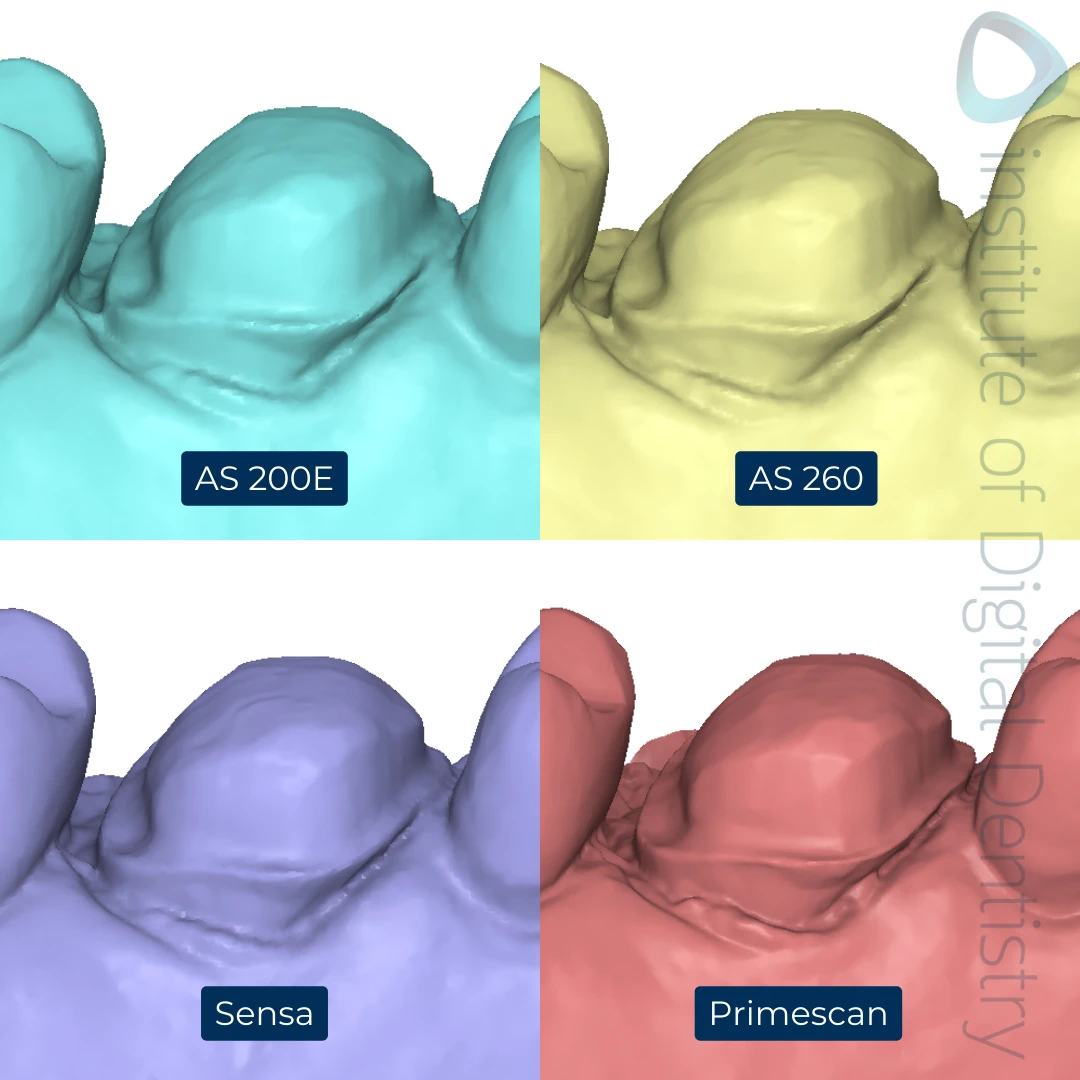
- unclear margins
- incomplete scans
- inaccurate bite registration
- moisture contamination
- retraction failure
No CAD/CAM system can repair missing information.
2.2 Incorrect or Incomplete Clinical Instructions
Common issues include:
- vague Rx notes
- incorrect material selection
- missing shade photos
- inaccurate stump shade
- conflicting instructions
When the lab must “guess,” accuracy instantly drops.
2.3 CAD Interpretation Errors
Even with excellent scans, poor margin marking or incorrect cement space can result in:
- tight contacts
- rocking
- occlusal high spots
- incomplete seating
CAD discipline is essential.
2.4 Milling & Sintering Deviation
Fit issues often come from:
- bur wear
- improper milling orientation
- shrinkage miscalibration
- internal surface roughness
Even a few microns of distortion can cause clinical failure.
2.5 Shade or Aesthetic Mismatch
Esthetic remakes occur when:
- photos are taken in inconsistent lighting
- shade maps are incomplete
- stump shade is not included
- translucency requirements are unclear
Shade communication is an art — and often misinterpreted.
3. The VCAD Approach: A System Designed to Prevent Remakes
VCAD does not treat remakes as isolated errors.
VCAD treats them as systemic signals — indicators that part of the workflow needs refinement.
This leads to a highly structured quality framework.
3.1 Stage 1 — Data Verification Before CAD Begins
Every case undergoes a 3-layer intake process:
- AI scan analysis
- margin clarity check
- occlusal alignment check
- tissue interference detection
- Human review by the case coordinator
- clinical logic
- consistency with Rx
- stump shade evaluation
- Error report (if needed)
Clinician receives screenshots with highlighted concerns.
This prevents cases from “moving forward with errors baked in.”
3.2 Stage 2 — Predictable CAD Protocols
VCAD’s CAD team follows strict, repeatable design standards:
- margin marking under magnification
- calibrated cement space profiles
- force-mapped occlusion
- dynamic articulation simulation
- standardized contact point guidelines
This eliminates subjective guesswork and maintains internal consistency across designers.
3.3 Stage 3 — Precision Milling & Controlled Sintering
VCAD uses:
- 5-axis industrial milling
- automatic bur life monitoring
- machine heat compensation
- material-specific shrinkage curves
This reduces dimensional distortion and ensures internal fit accuracy.
3.4 Stage 4 — Final QC Before Shipping
QC at VCAD includes:
- physical model fit check (3D printed)
- margin sharpness confirmation
- occlusal verification under articulator
- shade and translucency check
- surface quality review
No case leaves the lab without passing every checkpoint.
4. Real-World Impact: How VCAD Lowers Remake Rates for Clients
VCAD’s partners often report 50–80% fewer remakes after switching to VCAD.
How this impacts clinics:
- shorter chairside time
- faster treatment turnover
- higher patient satisfaction
- predictable case scheduling
How this impacts labs:
- more stable workflow
- higher output per technician
- improved profitability
- stronger client relationships
VCAD functions as an extension of the clinic — not just a vendor.
5. The Future: Remake Prevention Through Data Intelligence
VCAD is developing predictive analytics using aggregated case data.
Future workflows will include:
- automatic margin clarity scoring
- predictive fit simulation
- proactive shade-matching alerts
- error pattern recognition
- clinician-specific optimization profiles
The goal is zero remakes — by catching issues before they occur.
Digital dentistry is moving from reactive corrections to proactive precision.
The true cost of remakes extends far beyond a single crown or bridge. It affects clinical efficiency, patient trust, lab profitability, and operational stability. Most remakes stem from preventable factors — unclear margins, incomplete data, poor communication, or inconsistent CAD protocols.
VCAD’s multi-stage verification system, disciplined workflows, and predictive quality controls dramatically lower remake rates, creating a streamlined partnership for both clinics and labs.
A remake is not just a mistake.
It is a signal — a signal that a better workflow is possible.
And VCAD’s mission is to make that workflow your everyday reality.