


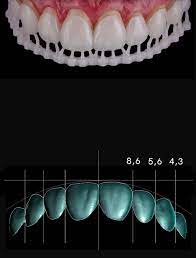

In today’s digital dentistry landscape, cloud-based platforms are revolutionizing how dental clinics and laboratories collaborate. These systems use secure online infrastructure to connect dental practices with labs, enabling instant data sharing, real-time communication, and coordinated workflows.
This article explains what these platforms are, how they function, and how they enhance lab-practice connectivity through technical innovation and practical benefits. We also highlight leading platform examples, discuss their role in digital transformation and patient outcomes, and address security and privacy considerations.
What Are Cloud-Based Dental Platforms?
Cloud-based dental platforms are web-enabled software solutions that centralize and streamline interactions between dental clinics and dental laboratories. Instead of relying on phone calls, paper forms, and physical models, dentists and labs can use a secure online portal or application to exchange case information, prescriptions, digital scans, and updates. Essentially, a cloud-based platform serves as the lab and clinic's common digital workspace. This eliminates the need to install or update software on local computers by storing data on distant servers that can be accessed from anywhere using an internet browser or app.
Software – The Backbone of Modern Dental Labs
In today’s digital dentistry, software is no longer optional—it’s essential. More than 70% of retainers and restorations are now created from digital scans, requiring advanced CAD/CAM software to convert data into precise 3D designs.
For complex cases like full-arch implant restorations or guided surgery planning, lab software enables real-time collaboration between the dental office and the lab, with shared access to the same 3D case files. This integration reduces communication gaps, supports better decision-making, and improves final results.
Technical Foundations: Data Sharing, Integration, and Workflow Tracking
Cloud-based dental platforms are built on robust technical frameworks to support seamless data exchange and integration with dental technologies:
- Digital Data Sharing: Fundamentally, these platforms allow case files (including scans, radiographs, and design files) to be uploaded and downloaded digitally in a secure setting. Similar to package tracking in shipping, such real-time tracking offers transparency at every stage, allowing patients and clinics to know precisely when completion is anticipated.
- Integration with scanners and devices: Modern cloud platforms connect directly with digital dentistry hardware. Intraoral scanners (IOS) and other devices can often tie into the cloud system so that scan data flows automatically to the lab order. Leading solutions scanner brands including CEREC, iTero, Planmeca PlanScan, and 3Shape. This means a dentist can scan a patient and send the digital impression to the lab with one click, without cumbersome file exports.
- Practice management and CAD Integration: Cloud-based dental solutions often integrate with practice management software and lab CAD/CAM systems. This allows patient and prescription information to flow directly from the clinic’s records into the lab order, avoiding double data entry. Automatic synchronization of case data eliminates transcription errors and ensures the lab’s design software has all the information (tooth notation, margin details, etc.) pre-loaded.
Practical Benefits for Labs and Clinics
A cloud-based dental practice platform offers numerous practical advantages in day-to-day clinical and laboratory operations.
- Faster Communication & Collaboration: Cloud platforms enable instantaneous communication between the dentist and lab. All case-specific messages, questions, and updates are centralized instead of scattered across phone calls or emails. This reduces back-and-forth delays. Real-time chat and file exchange also open the door to true real-time collaboration – dentists can review 3D design proposals as the lab works and give immediate feedback, essentially looking at the same digital model “together” even from miles away.
- Streamlined Workflow & Fewer Errors: By digitizing the lab submission process, cloud platforms make workflows more efficient and less error-prone. Standardized digital order forms guide the clinician to provide all necessary information (tooth number, shade, material, due date, etc.), reducing emissions. The system then carries this information through to the lab without needing re-entry. This streamlining cuts down on clerical errors and inconsistencies.
- Reduced Remakes & Improved Quality: When the dentist and lab are synchronized through a dental cloud platform, any questions about the case can be resolved before fabrication – e.g., confirming a margin, a shade, or patient preferences – rather than the lab guessing or proceeding with uncertainty. By catching discrepancies in the digital phase, the lab and dentist can avoid costly redos, and the patient receives a well-fitting restoration on the first try.
- Real-Time Case Tracking & Transparency: Both clinics and labs gain peace of mind from the ability to track case progress in real time. No more wondering if an impression has arrived or if a case is delayed at the lab – the cloud dashboard shows exactly which stage the case is in and the expected completion date. This transparency builds trust, improves communication and visibility, create a collaborative environment where everyone understands the treatment plan and timeline.
Embracing a New Era of Collaboration with VCAD

Cloud-driven communication is rapidly becoming the backbone of modern dental collaboration. By facilitating instant transfers of data, real-time discussions, and secure information handling, these platforms are revolutionizing how practices and labs work together. Leading digital dental labs such as VCAD Dental Laboratory have embraced these technologies to provide an even higher level of service. By integrating cloud-based case submission and collaboration into their processes, VCAD enables partner practices to experience truly seamless lab collaboration with every case.
In conclusion, dental cloud platforms are not just a tech upgrade – they represent a paradigm shift in dentist-lab relationships. They bring efficiency, speed, and clarity to what used to be a cumbersome process. Whether it’s through a solution like DS Core or similar systems, moving to the cloud allows dental professionals to focus less on chasing down information and more on delivering excellent patient care. Practices and labs that leverage these digital systems are positioning themselves at the forefront of dentistry’s new era, where collaboration is effortless and every case proceeds with confidence and precision.
Reading more:
Creating a Platform Based Business Model in Dental Industry
______________________________________
Contact VCAD Dental Laboratory today to learn more about us.
Hotline: +84963870270
Email: partner@vcaddental.com
Website: https://www.vcaddental.com/
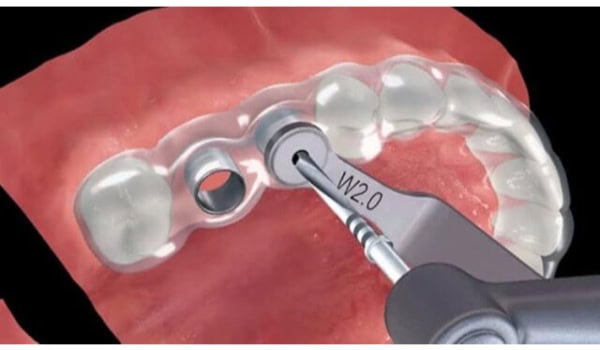

Full-arch dental implant restorations are life-changing treatments that restore function, aesthetics, and confidence for patients with complete tooth loss. Traditionally, planning and delivering a full-arch implant (such as an All-on-4 or All-on-X treatment) involved multiple manual steps, from impressions and stone models to freehand surgery and lengthy provisional phases. Today, the digital implant workflow is revolutionizing this process. Advanced digital tools now streamline the entire implant restoration process, from intraoral scanning and 3D diagnostics to surgical guide fabrication and final prosthetic delivery.
This article highlights the main developments in digital implantology and full-arch prosthetic workflows, the advantages of guided surgery and instantaneous loading protocols, and how digital workflows are influencing the future of full-arch implants. Dentists and owners of dental labs will explore how adopting these advances can improve clinical results, save chair time, increase precision, and ultimately benefit patients and practitioners.
From Single Tooth to Full-Arch Dental: The Evolution of Dental Implants
The journey of dental implants began in the 1960s with the discovery of osseointegration by Dr. Per-Ingvar Branemark. Early implants were used mainly for single-tooth replacements, through the 80s and 90s, bridge restoration techniques on 2-3 implant abutments were developed, allowing for the restoration of multiple consecutive missing teeth without the need to implant each individual tooth. This laid the foundation for later full-arch solutions.
Today, with the rise of digital dentistry, full-arch solutions have become faster, more predictable, and more aesthetic than ever. Immediate loading, guided surgery, and CAD/CAM prosthetics have taken full-arch implantology to new heights.
Digital tools Streamline Full-Arch Dental Implant Workflows
Modern full-arch dental implant restorations leverage a range of digital technologies that make the process more efficient and accurate. Instead of messy impressions and plaster models, dentists can now capture digital data and collaborate with labs virtually.
Key steps in a modern full-arch implant restorations workflow include:
- Digital Diagnostics (CBCT Imaging): CT scan captures a 3D image of the jaws, allowing careful evaluation of bone volume, vital structures, and prosthetic space for implant placement. This 3D diagnostic data forms the foundation for accurate, restoratively driven planning (implants are planned in ideal positions to support the final prosthetic teeth).
- Intraoral Scanning: An intraoral scanner creates digital impressions of the edentulous arch or any remaining teeth. Digital impressions are highly accurate and eliminate the inaccuracies and are a more comfortable alternative to traditional impressions for fabricating dentures.
- 3D-Printed Surgical Guides: Once the plan is approved, a surgical guide is designed to exactly fit the patient’s arch. Surgical guides have sleeves or channels that direct the drilling sequence, so during surgery the implants are placed precisely where the digital plan dictated. The guide is typically fabricated via 3D printing in biocompatible resin. This makes the implant surgery fully guided, translating the computer plan accurately to the patient’s mouth. The result is a more predictable and efficient surgery, often done in a minimally invasive (flapless) manner that is gentler on the patient.
- CAD/CAM Final Prosthetic: The design (CAD) is then sent to milling machines or 3D printers (CAM – computer-aided manufacturing) which precisely carve or print the crown, bridge, or implant component from high-strength materials. This digital workflow eliminates many of the manual steps that once introduced variability. A restoration designed on-screen will be fabricated exactly as specified, down to microscopic details, thanks to robotic milling accuracy.
Precision, Efficiency, and Improved Outcomes through Digitization
One overarching theme of the digital revolution in full-arch implant dentistry is the significant boost in precision and efficiency, which directly translates to improved clinical outcomes. By removing much of the guesswork and manual labor, digitization allows implant teams to work smarter, faster, and with greater confidence in the results.
- Enhanced Precision at Every Stage: Digital tools offer a level of accuracy that surpasses traditional methods. This means the models and prosthetics designed from those scans fit more accurately, reducing adjustments. Pubmeds research confirms that fully digital workflows increase the predictability and fit of implant restorations, providing better functional and aesthetic results.
- Reduced Chair Time and Fewer Clinical Complications: Efficiency gains from digitization manifest in various ways. The planning phase, while thorough, happens virtually and often faster than traditional model-based planning. Surgical time is reduced thanks to guides and pre-planning, which can cut a normally lengthy freehand full-arch surgery into a shorter, well-orchestrated procedure. Faster surgery not only is safer for patients (less time under anesthesia and less surgical trauma) but also frees up valuable chair time for the practice. Moreover, digital accuracy leads to fewer complications down the line – implants are less likely to require repositioning, and prosthetics less likely to fracture or loosen when they’ve been properly planned and fabricated from the start.
Improved Long-Term Outcomes: Long-term success is directly related to the accuracy of prosthetic design and implant placement. When implants are positioned correctly (angulation, depth, and spacing), which may be accomplished with guided digital workflows involving a skilled dental lab, they are more likely to integrate with healthy bone and maintain bone levels over time. According to an article, the implementation of digital technology in every stage of implant treatment—from diagnosis to final restoration—makes the process safer, more reliable, and more effective. Collaborating with a dental lab that embraces digital workflows ensures better treatment planning and execution, which is advantageous for both patients and physicians.
Higher Patient Satisfaction: When precision and efficiency improve, patient satisfaction naturally follows. Patients appreciate shorter treatment times, fewer appointments, and less invasive procedures. Furthermore, the quality of the final result (a beautiful, well-fitting set of teeth) is a huge factor in satisfaction. By partnering with a digitally advanced dental lab, dentists can enhance aesthetics and function through accurate digital design, making it easier to meet patient expectations predictably.
Partner with VCAD for advanced implant solutions.

As the dental industry embraces the future of full-arch implant restorations, having the right dental lab partner is critical to your success. VCAD Dental Laboratory combines precision craftsmanship with cutting-edge digital workflows to support dentists and specialists through every stage of implant treatment (from guided surgery planning to immediate loading and final prosthetic fabrication).
Our team of experienced technicians understands the demands of complex full-arch cases and delivers restorations with unmatched accuracy, efficiency, and esthetics. Whether you’re streamlining your digital implant workflow or looking to elevate your full-arch implant offerings, VCAD is your trusted partner for advanced, high-tech implant solutions. Let’s build better outcomes together - one smile at a time.
Reading more:
Fixed Full-Arch Implant-Supported Restorations: Techniques Review and Proposal for Improvement
______________________________________
Contact VCAD Dental Laboratory today to learn more about us.
Hotline: +84963870270
Email: partner@vcaddental.com
Website: https://www.vcaddental.com/
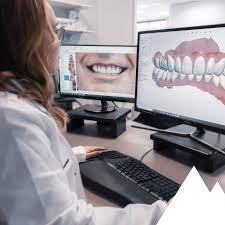

Modern dental labs play a crucial role in today’s dental care system. They are often considered the backbone of dental practices, providing the essential services and products that dentists need to deliver optimal care. Over the years, the scope of dental labs has expanded dramatically, moving beyond simple denture or crown fabrication. Modern labs employ cutting-edge technology – from CAD/CAM milling machines to 3D printers and digital scanners – to create highly accurate restorations and appliances.
In fact, the vast majority of dental practices rely on partnerships with labs for restorative and cosmetic cases (one survey found approximately 80% of dentists collaborate with labs for such procedures). This underscores how integral a strong dentist–lab partnership is for effective patient care.
Why Quality importance in Modern Dental Labs
Quality is paramount when it comes to dental lab work. A single fabrication error material can lead to significant issues for both dentist and patient. Poor-quality restorations may cause patient discomfort, fail prematurely, or require frequent adjustments, leading to undermining the patient’s trust in the treatment. Moreover, if a lab’s products often need remakes or fixes, it can strain the dentist-patient relationship and damage the practice’s reputation.
On the other hand, consistently high-quality lab work boosts patient satisfaction and confidence in their dentist. To ensure reliability, many modern labs follow stringent quality assurance protocols at every step. According to a report, after introducing a comprehensive QA program, the percentage of cases requiring remakes fell from 8% to just 3.4%. This kind of improvement means less wasted chair time and cost for dentists, and a better experience for patients. Labs achieve such quality gains by using digital workflows (to minimize human error), standardizing processes, and carefully selecting high-grade materials. Ultimately, a focus on quality in the dental lab translates to restorations that fit correctly, look natural, and last longer – which benefits everyone involved.
What Services Does a Modern Dental Lab Provide?
A dental laboratory offers a comprehensive range of products and services, covering virtually all the laboratory needs of a dental practice. Instead of specializing in only one area (like crowns or dentures), a full-service lab is equipped to handle everything from prosthetics to orthodontics under one roof. Key functions include:
- Custom Dental Prosthetics: Crafting tailor-made restorations such as crowns, bridges, veneers, inlays/onlays, and dentures. Full-service labs fabricate these prosthetics to each patient’s unique measurements, ensuring a perfect fit and proper bite alignment. This customization helps maintain oral health and comfort.
- Orthodontic Appliances: Producing devices that correct tooth alignment and jaw positioning. Modern labs make removable appliances like clear aligners and retainers, as well as fixed appliances like expanders or habit-breaking appliances. These orthodontic devices are essential for guiding proper alignment and are built to the orthodontist’s specifications. A reliable lab can swiftly fabricate aligner series or sturdy retainers that help patients achieve optimal oral function and aesthetics.
- Implant Dentistry Solutions: Supporting implant-based treatments by manufacturing components such as implant crowns, bridges, and custom abutments, and even creating surgical guides. When a dentist places a dental implant, the lab’s role is to design the restoration that attaches to the implant (like an implant-supported crown or denture) with precise fit and shading. Many full-service labs also use digital imaging to design 3D-printed surgical guides, which help dentists perform implant surgery with exacting accuracy. By providing these implant solutions, the lab helps ensure implant cases are successful and look natural.
5 Core Values Modern Dental Labs Offer to Dentists and Clinics
A modern dental lab is now a strategic clinical partner—contributing directly to restorative success, treatment predictability, and patient satisfaction. The following five core values illustrate the essential contributions that advanced dental laboratories offer to today’s dental professionals:
- Optimized Restoration Quality
A high-performing dental lab consistently delivers restorations—whether crowns, bridges, veneers, or implant prosthetics—that meet stringent criteria for marginal fit, occlusal harmony, and esthetic integration. The result is fewer chairside adjustments, minimized remakes, and restorations that enhance both oral function and facial esthetics. High-quality lab work not only improves clinical outcomes but also strengthens the practitioner’s reputation and patient trust. - Clinical Support in Complex Cases: Beyond fabrication, a trusted lab acts as a clinical partner. It offers case-by-case consultations, material selection advice, and design suggestions for complex cases such as full-mouth rehabilitations or implant-supported restorations, helping dentists achieve predictable success.
- Digital Workflow Integration
Digital dentistry has revolutionized communication between clinics and labs. An advanced dental lab is fully equipped to receive intraoral scan data, design CAD-based restorations, and utilize technologies such as 3D printing and CAD/CAM fabricate high-precision prosthetics. This digital synergy shortens production timelines, reduces manual errors, and ensures that the laboratory work integrates seamlessly into the clinical workflow. - Efficiency in Time, Cost, and Clinical Resources: By streamlining workflows and minimizing remakes, a digital-enabled lab helps clinics save valuable time and resources. Fast, accurate, and reliable lab work reduces chairside adjustments and optimizes the overall clinical workflow.
- Enhanced Patient Experience & Satisfaction: The ultimate value of a modern lab is reflected in patient smiles. High-quality restorations that match expectations improve aesthetic results, boost confidence, and foster trust in the clinic, leading to higher treatment acceptance and long-term loyalty.
VCAD Dental Laboratory: Elevating Clinical Through Precision Partnership
In the evolving landscape of restorative and digital dentistry, the role of the dental laboratory is no longer confined to fabrication alone—it now encompasses collaboration, clinical support, digital integration, and patient-centered outcomes. At VCAD Dental Laboratory, we understand this transformation and have structured our lab services to reflect the very core values that define a truly modern dental lab.
With a team of over 120 experienced technicians, our laboratory delivers restorations with exceptional marginal integrity, functional occlusion, and aesthetic harmony—all tailored through case-specific planning and digital workflows. Every unit is crafted with a deep understanding of both material science and clinical requirements.
At VCAD, we believe that the future of dentistry is digitally collaborative, clinically driven, and quality assured.
Reading more:
The digital factory in both the modern dental lab and clinic
_______________________________________
Contact VCAD Dental Laboratory today to learn more about us.
Hotline: +84963870270
Email: partner@vcaddental.com
Website: https://www.vcaddental.com/
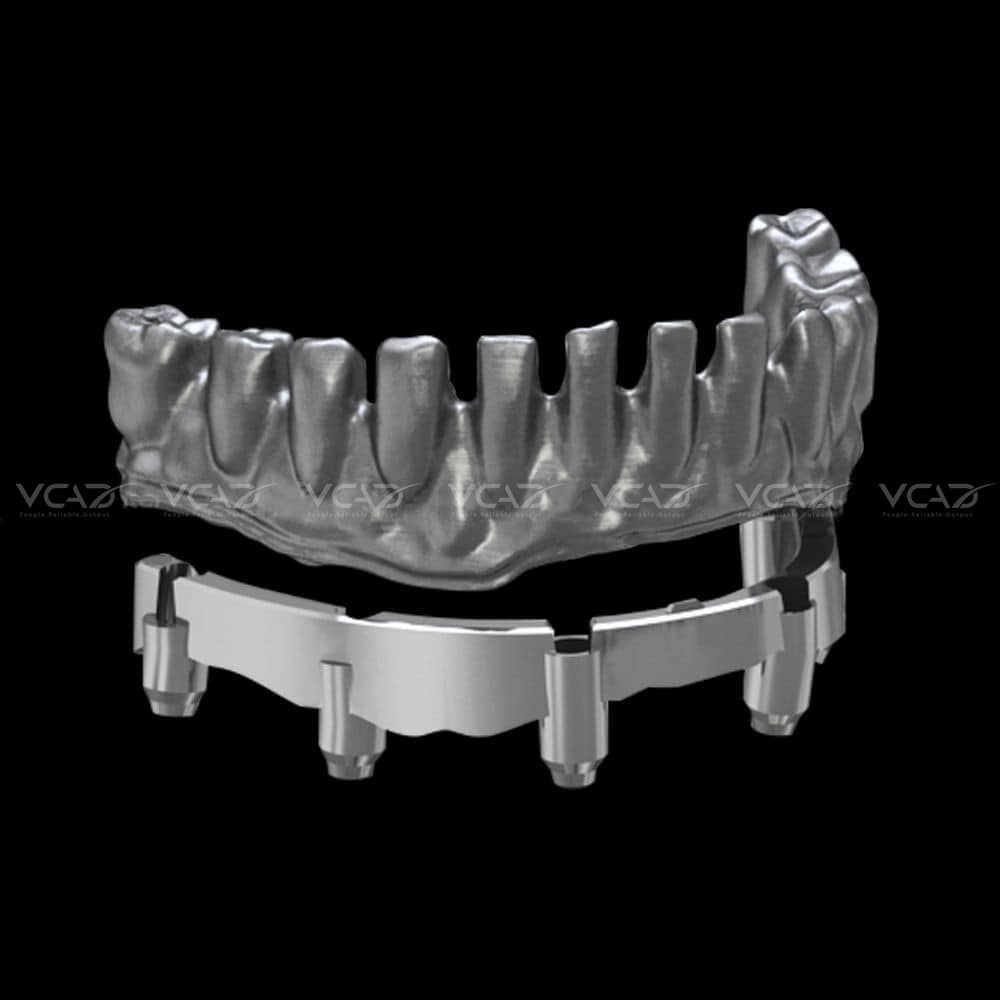

Artificial intelligence (AI) is rapidly becoming a cornerstone of digital dentistry, particularly in dental labs. Since dental AI solutions encompass tasks from design to quality assurance, lab owners and dentists are witnessing improvements.
With the increasing demand for crowns, bridges, and dentures worldwide, labs are under pressure to do tasks quickly and affordably, a task in which artificial intelligence provides a significant advantage. Prominent dental technology firms and laboratories have already embraced AI to increase accuracy and efficiency by leveraging its capacity to learn from vast datasets and reduce human error.
How AI is Shaping Modern Dental Labs
Automated dental design is one of the most revolutionary uses of AI in dentistry labs. In the past, creating a crown or bridge included hand modeling and tweaking. The majority of tasks in labor can now be done by AI-driven software. AI can provide very realistic, lifelike restorations in a fraction of the time by utilizing vast scan datasets and skilled designs.
AI-powered design isn't limited to bridges and crowns. Using comparable data-driven methods, systems are now being used to suggest complete dentures, implant restorations, and orthodontic equipment. Labs and clinics may save a great deal of time and reduce the possibility of human mistakes by automating these design procedures, which ensures consistent, high-quality outcomes every time.
AI-Driven Quality Control and Material Optimization
One of the most innovative applications of AI in dental labs is automated dental design. In the past, manual modeling and modifying were required to create a crown or bridge. AI-powered software can currently do the bulk of labor-intensive activities. With the use of large scan datasets and expert designs, AI can produce incredibly lifelike and realistic restorations in a fraction of the time.
Even at the case intake, AI can review incoming digital impressions and prescriptions to flag errors like a missing margin or misaligned bite before production begins. This proactive QA prevents costly delays and rework, and minimizes tedious back-and-forth between the lab and clinic. AI can also help optimize processes by analyzing past cases and identifying patterns, enabling better decisions about materials and techniques to improve quality while reducing costs.
For instance, AI can intelligently nest multiple restorations in a single 3D printing or milling batch to use materials more efficiently. Labs using these AI-driven optimizations report less material waste and lower production costs, since the software learns the best way to maximize yield from each disk, block, or print job. All told, AI not only improves consistency and accuracy but also makes the lab’s workflow more sustainable and cost-effective.
VCAD: Leveraging AI to Improve Production Effectively
At VCAD, AI is integrated at multiple points of the production workflow. The resultant computer automatically creates crowns and bridges from digital images by identifying margins and suggesting an optimal anatomy.
AI algorithms improve the CAM process during the production phase, modifying the routes of milling or 3D printing to achieve the proper thickness and strength while using the least amount of material possible. To guarantee that only top-notch work leaves the lab, an AI-driven quality check inspects each restoration for flaws or fit problems prior to delivery. By using these technologies, VCAD produces restorations that fit consistently and quickly, requiring fewer remakes or changes.
AI's advantages for laboratories and clinics
- Fewer Errors and Remakes: AI recognizes problems early, resulting in much fewer corrections and remakes.
- Enhanced Fit and Consistency: AI's accuracy results in restorations that fit more precisely and require fewer chairside revisions.
- Faster Turnaround Times: AI greatly reduces case turnaround time by automating design and production procedures.
- Material Efficiency and Cost Savings: AI optimization lowers production costs by reducing labor and material waste.
AI is a driving force behind increased precision, productivity, and expansion in dentistry labs. The technology is assisting laboratories in producing better restorations faster, from automated dental design of crowns and prostheses to strict AI-driven quality verification. More dependable lab work means fewer cases that need to be returned and restorations that seat with little correction, which benefits dentists. As a result, patients benefit from speedier delivery of aesthetically pleasing, well-fitting restorations, which enhances their entire experience. Dental lab work will surely become more high-tech and data-driven in the future, with real-world advantages at every turn.
Reading more:
Revolutionising dental technologies: a qualitative study on dental technicians’ perceptions of Artificial intelligence integration.
_______________________________________
Contact VCAD Dental Laboratory today to learn more about us.
Hotline: +84963870270
Email: partner@vcaddental.com
Website: https://www.vcaddental.com/
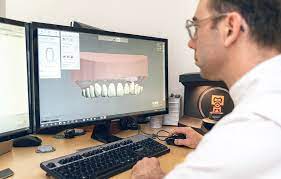

The rise of digital dentistry has brought transformative tools into dental labs and clinics, with dental 3D printing at the forefront. What originated as a means of rapidly creating models has developed into a vital patient care manufacturing technique.
In this day and age, 3D printing dental technologies enable the fabrication of custom dental components from surgical implant guides to temporary crowns, faster and more accurately than ever.
This article explores the evolution of 3D printing in dentistry and how it now powers the fast, precise production of surgical guides, temporary restorations, and other patient-specific solutions. Along the way, we’ll discuss the flexibility this technology brings to treatment planning and highlight real clinical and laboratory advantages like speed, customization, and cost-effectiveness.
How 3D Printing Is Redefining Dental Manufacturing
Dentistry has always been a leader in digital innovation, with CAD/CAM technology revolutionizing how restorations are designed and manufactured. While milling machines improved efficiency, they had limitations in material usage and design complexity. The arrival of 3D printing in the early 2000s brought a new, additive approach. Initially used for resin models, the technology soon advanced to produce clinical-grade restorations like surgical guides, temporaries, and custom implant components.
Nowadays, 3D printing is entering a mature stage. Even permanent zirconia crowns and removable dentures can now be printed, with bioprinting research pushing into tissue regeneration. This evolution sets a new benchmark in dental manufacturing: fast, precise, and fully digital workflows tailored to each patient’s needs.
Expanding Possibilities: From Surgical Guides to Fully Customized Prosthetics
The evolution of dental 3D printing has extended far beyond diagnostic models. Today, this technology is a powerful driver of innovation, enabling the creation of highly accurate, patient-specific devices such as surgical guides, temporary restorations, and a wide range of prosthetic components. Whether it’s a blue-toned surgical guide, a red lattice partial framework, or a pink denture base, each 3D-printed element serves a distinct clinical purpose. More importantly, these components can be produced rapidly, with precision that enhances both treatment quality and workflow efficiency.
Surgical Guides: Enhancing Implant Precision with Digital Support
Among the most impactful applications of 3D printing dental technology is the production of custom surgical guides for implant placement. These guides are digitally designed using the patient’s scan and treatment plan, then printed to fit securely in the mouth during surgery. Their role is critical: they guide drill angulation, depth, and position with exceptional precision, minimizing the risk of nerve damage or incorrect implant placement.
Clinicians consistently report that 3D-printed surgical guides help streamline procedures, reduce chair time, and improve outcomes. Rather than relying solely on visual estimates or stents from off-site labs, dentists can now produce accurate, patient-specific guides in-house often within 24 hours. This rapid production cycle allows even smaller practices to offer advanced implant services without weeks-long delays, directly translating into greater predictability, confidence, and clinical success.
Temporary Restorations
Temporary restorations—like crowns, bridges, and provisional prosthetics have been revolutionized by 3D printing. Instead of relying on manual sculpting or waiting days for lab results, clinics can now produce custom-fit temporaries within hours.
The workflow is simple: a digital scan is captured using an intraoral scanner, the restoration is designed with CAD software, and a 3D printer creates it layer by layer using biocompatible resin. These prints are ready the same day and often stronger than traditional acrylics.
Patients get comfortable, natural-looking temporaries, while clinics benefit from speed, precision, and easy reprinting if adjustments are needed, making this a powerful upgrade for modern dental practices.
Custom Prosthetics: Precision Personalization for Every Patient
3D printing revolutionizes dentistry by enabling precise, custom-made prosthetics. Instead of labor-intensive wax-ups or metal casting, devices like partial denture frameworks can now be digitally designed and printed with remarkable detail, often requiring no major adjustments.
Because full dentures, orthodontic aligners, occlusal guards, and implant components are all tailored to the unique anatomy of each patient, this digital technique has a broad variety of uses. 3D printing in implant dentistry makes it possible to create provisional restorations and bespoke healing abutments that are suited to the soft tissue shapes, implant depth, and angulation.
Key Advantages of 3D Printing in Dental Labs

- Speed and Efficiency: Turnaround times are significantly reduced by 3D printing. Previously time-consuming tasks, such as creating aligner models or surgical guidance, may now be finished in a single day. There is no need to wait for outside laboratories because chairside crowns may be completed in a single visit. In addition to increasing patient satisfaction, this speed enables laboratories to process more cases effectively.
- Precision and Accuracy: 3D printing captures fine details from digital scans with micron-level accuracy. It surpasses traditional techniques and even some milling processes in consistency. The result is better-fitting restorations, fewer adjustments, and more precise surgical guides—ensuring predictable outcomes across cases.
- Customization and Personalization: Each client receives a customized treatment. Crowns, prostheses, and other appliances can be easily customized by making changes to a CAD design. This enhances comfort and fit while also creating opportunities for creative, patient-specific designs that enhance both functionality and appearance.
- Cost-Effectiveness: Though initial setup requires investment, 3D printing cuts long-term costs. In-house production reduces outsourcing and shipping fees. Material waste is minimal since only the needed volume is printed. Fewer remakes mean less labor, and the technology often pays for itself over time through efficiency gains and higher case throughput.
VCAD: Delivering Precision and Speed With 3D Printing
VCAD – a digital dental laboratory founded in 2018, exemplifies how embracing 3D printing technology can elevate service quality for dentists and labs. As a full-service dental manufacturing partner, VCAD leverages cutting-edge CAD/CAM and 3D printing throughout its production workflow to achieve exceptional accuracy and turnaround times.
Every item, from fixed prosthetics to removable appliances, is produced with meticulous digital design and then fabricated using advanced milling or printing as appropriate. VCAD guarantees that every restoration or guide is exactly customized to the patient's data in this way, resulting in better fit and appearance upon delivery. The lab provides quick design and manufacturing, frequently completing orders in as little as 24 hours for urgent situations, which is the foundation of VCAD's value.
In practice, dentists who work with VCAD benefit from both the expertise of an experienced lab and the modern agility of digital production. By harnessing 3D printing to its fullest, VCAD exemplifies how dental labs can deliver patient-specific solutions with unmatched precision, speed, and reliability – a true manufacturing powerhouse behind dental success.
Reading more:
3D Printing of Dental Prostheses: Current and Emerging Applications
_______________________________________
Contact VCAD Dental Laboratory today to learn more about us.
Hotline: +84963870270
Email: partner@vcaddental.com
Website: https://www.vcaddental.com/
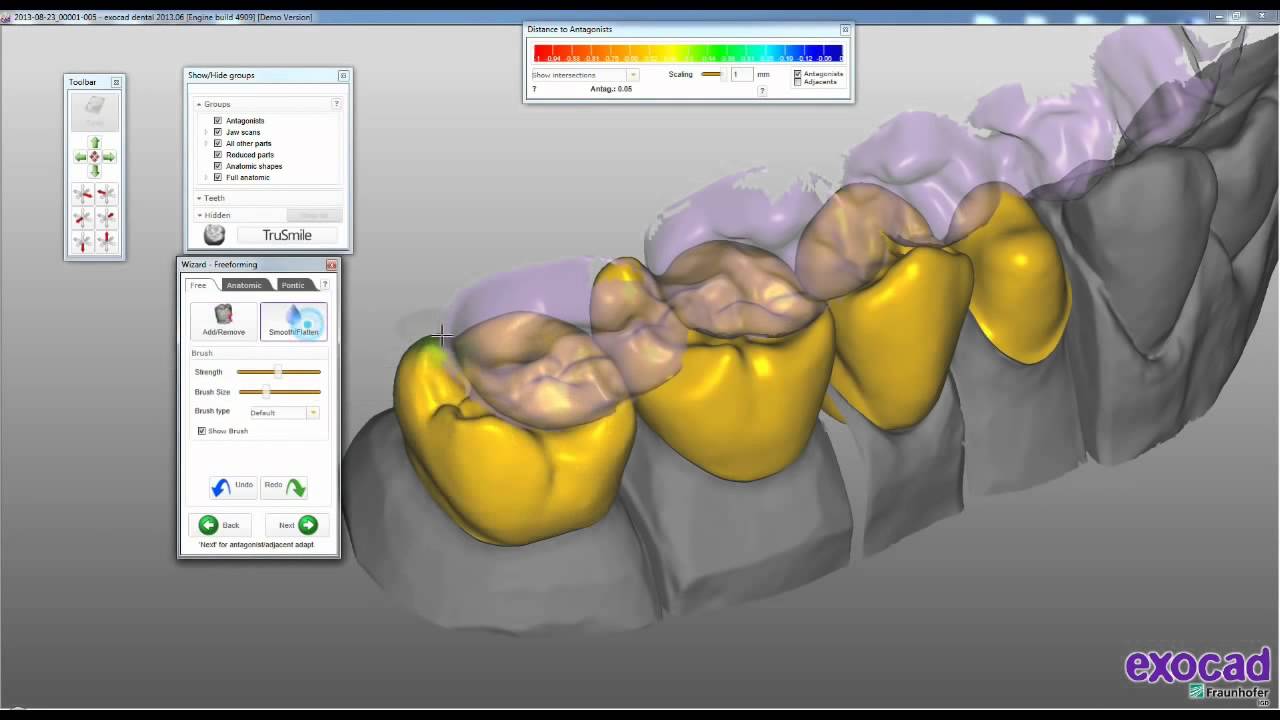

Modern dentistry demands a high level of precision. Dental restorations – whether crowns, bridges, or implants – must fit perfectly to ensure patient comfort, longevity, and oral health. Traditionally, crafting these restorations involved manual techniques prone to slight inconsistencies. Today, an overwhelming shift toward digital methods is transforming dental labs. CAD/CAM dental technology, which stands for Computer-Aided Design and Computer-Aided Manufacturing – has emerged as a game-changer in achieving restoration accuracy, efficiency, and quality.
This article examines how CAD/CAM improves crown, bridge, and implant production, why more than 80% of dental laboratories now use it, and how VCAD, as a modern dental lab, incorporates this digital method to provide better outcomes for dental practitioners.
CAD/CAM Dental Technology: The New Standard in Modern Dental Labs

CAD/CAM technology combines advanced dental CAD design software with automated manufacturing hardware to streamline how restorations are made. Instead of hand-carving wax models or casting metal in a furnace, technicians now use 3D scanners and specialized software to design restorations on a computer.
The design (CAD) is then sent to milling machines or 3D printers (CAM – computer-aided manufacturing) which precisely carve or print the crown, bridge, or implant component from high-strength materials. This digital workflow eliminates many of the manual steps that once introduced variability. The result is a digital dental lab process that is highly consistent and reproducible. A restoration designed on-screen will be fabricated exactly as specified, down to microscopic details, thanks to robotic milling accuracy.
According to Group Dentistry Now, over 80% of the laboratory industry now uses CAD/CAM as a primary manufacturing method for a wide range of products. In other words, eight out of ten dental labs have made CAD/CAM the backbone of their production. This widespread application demonstrates how crucial digital processes have become to provide reliable, superior restorations in contemporary dentistry.
Enhancing Restoration Accuracy and Fit
The increased precision that CAD/CAM offers to dental restorations is one of its greatest advantages. Using CAD software, professionals can precisely adjust every feature of a crown or bridge on-screen, guaranteeing that the margins, the places where the restoration and tooth meet, are perfect. When CAM equipment is used to produce this design, the end product is a restoration that fits the prepared tooth securely and has few gaps. Improved marginal adaptation lowers the possibility of leakage or recurring degradation at a crown's margins by creating less room for bacteria or cement.
Reduces Human Error
Digital fabrication also drastically reduces human error. Manual craftsmanship will always carry slight inconsistencies from one piece to another. In contrast, once a design is set in the CAD software, every milled unit will be virtually identical to that design. This consistency leads to far fewer mistakes and remakes in dental lab restorations.
In fact, labs that implement fully digital workflows see significantly fewer errors. According to a report by the National Institutes of Health, labs adhering to digital design and manufacturing protocols saw a 40% reduction in remakes and adjustments on dental lab restorations. Fewer remakes not only save time and cost for both the lab and the clinic, but also indicate that the restorations are done right the first time.
Restoration accuracy
Digital fabrication also drastically reduces human error. Manual craftsmanship will always carry slight inconsistencies from one piece to another. In contrast, once a design is set in the CAD software, every milled unit will be virtually identical to that design. This consistency leads to far fewer mistakes and remakes — a key advantage for any dental design lab focused on high-precision results in dental lab restorations.
In fact, labs that implement fully digital workflows see significantly fewer errors. According to a report by the National Institutes of Health, labs adhering to digital design and manufacturing protocols saw a 40% reduction in remakes and adjustments on dental lab restorations. Fewer remakes not only save time and cost for both the lab and the clinic, but also indicate that the restorations are done right the first time.
Efficiency and Faster Turnaround Times
Beyond accuracy, CAD/CAM brings remarkable efficiency improvements to dental lab workflows. Traditional hand-crafted restorations including waxing, casting, layering porcelain, and multiple rounds of try-ins. CAD/CAM automation shortens these production cycles. This means that labs can produce restorations much faster than before. A crown that might have taken a week or more with conventional methods can be milled in a single day with CAD/CAM if needed.
The streamlined digital process also cuts down on back-and-forth shipping and manual model handling. For example, digital impressions taken in the clinic can be sent electronically to the lab within minutes, eliminating the need to mail physical impressions. The lab can begin designing immediately, and once milled, the final product can be shipped out or even made chairside. This acceleration is why CAD/CAM-powered labs offer faster turnaround times for restorations, enabling dental practices to treat patients more efficiently.
Learn how VCAD leverages CAD/CAM for your cases
As a fully digital dental lab, VCAD has integrated CAD/CAM dental technology into the core of our services to provide tangible benefits for our clients. From the moment you send a case to us, our workflow leverages the latest in CAD/CAM dental systems to ensure speed, accuracy, and reliability. We use cutting-edge dental computer-aided design (CAD) software to design each crown, bridge, and implant restoration, and we use high-precision CAM milling machines to produce them. Because of VCAD's dedication to digital perfection, you can count on consistently excellent results whenever you work with them. Our CAD/CAM-driven methodology provides dentists and clinics with the following useful advantages:
- Exceptional Fit and Accuracy: Every restoration from VCAD is digitally designed for a superior fit and marginal adaptation. The precise CAD modeling and milling mean minimal chairside adjustments for you and a perfect fit for your patients from day one. Our crowns seat with tight margins and correct occlusion, reducing adjustment time and ensuring long-term success.
- Faster Turnaround Times: Faster Turnaround Times: Our method is designed to be digitally efficient. We may reduce the usual manufacturing schedule by days by producing a final product from a digital imprint or scan. This shorter turnaround enables your clinic to complete treatment plans more quickly and improve patient satisfaction by delivering restorations to patients sooner.
- Fewer Errors and Remakes: By minimizing manual steps, VCAD’s workflow significantly reduces the risk of errors. The accuracy of our CAD/CAM systems means that remakes are rare – cases are done right the first time. Fewer remakes and adjustments also translate to less wasted material and more predictable scheduling for your clinic.
- Consistent High Quality: With CAD/CAM dental technology, every product we deliver meets the same high standard of quality. Digital consistency ensures that whether it’s a single-unit crown or a full-arch implant bridge, you receive restorations with excellent anatomy, strength, and esthetics.

At VCAD, mastering precision isn’t just a slogan – it’s how we operate every day. We believe that embracing CAD/CAM technology is essential to provide the level of service and results that modern dental professionals expect. By leveraging a completely digital workflow, we help our clients achieve superior fit, faster service, and worry-free quality in their restorative cases. CAD/CAM dental technology has truly become the cornerstone of modern dental lab restorations, and VCAD is proud to be at the forefront of this digital revolution, delivering practical benefits to dentists and their patients through enhanced accuracy, efficiency, and overall excellence in every dental lab restoration we produce.
Reading more:
Top Remarkable Dental CAD Design Companies: Revolutionizing Precision in Dentistry
Advancements in CAD/CAM technology: Options for practical implementation
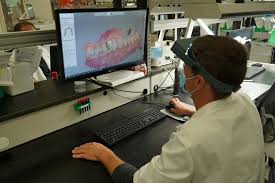

Dental bridge restorations are undergoing a major transformation in 2025. In international markets such as the U.S. and Europe, dentists and dental technicians are leveraging advanced materials and digital technologies to enhance the quality of restorations. The demand for high aesthetics, quick turnaround, and minimally invasive procedures—combined with the rise of metal-free ceramic materials have driven rapid progress in dental bridge solutions (Zarone et al., 2019).
This article will provide a detailed analysis of the leading trends in dental bridge restorations—including the key drivers behind their rapid evolution, the latest advancements in restorative materials (such as zirconia, lithium disilicate, and cast gold), the integration of CAD/CAM and 3D printing technologies, the clinical advantages, and real-life case studies demonstrating successful outcomes.
Why Are Dental Bridges Evolving in 2025?
Aesthetic Demand and New Materials
Patients are increasingly favoring metal-free materials for their superior aesthetics and to avoid metal allergies. The emergence of high-strength ceramics, hybrid composites, and new-generation dental polymers has significantly expanded the options for fixed restorations, while aligning with the growing trend of minimally invasive dentistry (Zarone et al., 2019b).
The Rise of Digital Technology
Dental technology is changing quickly thanks to digital innovations that allow for more flexibility and accuracy in prosthesis design. Digital impressions, CAD/CAM design, and 3D printing have all greatly accelerated and improved the process for dental bridges. Digital workflows provide same-week restorations, eliminating the need for patients to wait weeks for their prosthesis or put up with painful alginate impressions.
Competing with Implants
The widespread adoption of dental implants has pushed bridge techniques to evolve in order to remain relevant. Modern bridges emphasize preservation of natural teeth, avoid surgical bone intervention (as implants require), and offer cost-effective solutions, making them a compelling option in many clinical scenarios.
Advancements in Dental Bridge Materials and Technologies
Materials
- Zirconia (Zirconium Dioxide): a non-metal ceramic material, is emerging as the new gold standard in modern dental bridge restorations. With an exceptionally high flexural strength (ranging from 500 to 1200 MPa) and outstanding fracture resistance, zirconia enables the fabrication of long-span bridges even in high-load posterior regions. It is also highly biocompatible and non-irritating to the gingival tissue. Its smooth surface minimizes plaque accumulation, helping reduce inflammation around abutment teeth.
- Lithium Disilicate (IPS e.max): a glass-ceramic known for its natural beauty and adaptability in single-unit restorations, is most commonly marketed under the IPS e.max name. It performs noticeably better than conventional feldspathic porcelain because of its distinct crystalline structure and flexural strength of about 400 MPa. This makes it appropriate for anterior or premolar short-span bridges (usually up to three units).
- Full-cast gold: Full-cast gold crowns and bridges have a proven track record of lasting 30 to 40 years—or longer—with proper care. Their unmatched durability and marginal precision are key advantages. Thanks to high-fidelity impressions and the superior casting properties of noble alloys, gold restorations achieve an extremely accurate fit, hugging the tooth preparation closely and securely.
Digital Technology is Transforming the Dental Bridge Workflow ( CAD/CAM / 3D printing/ AI )
The workflow for dental bridges is being quickly transformed by digital innovation, which speeds up operations for dentists and produces more precise restorations. According to statistics, 57% of dental clinics in the United States will have intraoral scanners by 2025, and the percentage is still rising (Al-Hassani, 2025).
Dental technicians create the 3D dental bridge using CAD software, such as 3Shape or Exocad, once intraoral data has been collected. These sophisticated algorithms incorporate large tooth libraries that are arranged according to anatomical traits, age, and gender, enabling a high level of patient-specific customization. Based on the CAD design, the bridge is automatically manufactured during the CAM phase. 5-axis CNC milling machines are the most widely utilized devices for accurately machining ceramics, wax, or zirconia.
Furthermore, 3D printing technology is becoming a potent auxiliary instrument. Bridges are made with outstanding fit, little correction, and, when employing in-house laboratories, may frequently be finished in a single day because of this digital approach.
How these advancements are Revolutionizing Dental Bridge Workflows
The innovations in materials and digital technologies for dental bridges in 2025 bring a wide range of tangible clinical benefits. Here are the most significant:
1. Improved Durability and Longevity
Studies show that bridges made from zirconia and other new-generation biocompatible materials can last over 20 years with proper care, surpassing the typical 10 –15 years lifespan of traditional porcelain-fused-to-metal bridges. These materials are also more resistant to fractures and chipping, which means fewer repairs or remakes over time.
2. Better Gum and Bone Health
Thanks to adhesive bridges and bondable materials, dentists can now preserve more natural tooth structure, with less drilling on abutment teeth compared to conventional methods. This contributes to stronger supporting teeth and reduces the risk of pulp complications. Digital precision also ensures tighter margins and a snug fit against the gums, minimizing bacterial buildup and supporting healthier, inflammation-free gingiva.
3. Reduced Recovery Time and Fewer Adjustments
Digital innovations have greatly decreased the time from imprint to final placement. Digital laboratories can now provide bridges in a few days, or even the same day for simple applications, whereas older operations may take one to two weeks. In addition to improving the patient experience, this also cuts down on the number of visits, which is particularly advantageous for people who live far from the clinic or are busy.
Case Studies and Clinical Trials: Real-World Success with Modern Dental Bridges.
Case study – European Prosthodontic Association, 2025
In 2025, the European Prosthodontic Association carried out a clinical trial that compared the manufacturing of dental bridges using a digitally integrated workflow (CAD/CAM + 3D printing) with traditional methods, tracking 50 patients.
- The outcomes were remarkable: Compared to the traditional group, the digital group's overall treatment time was lowered by 60%.
- Compared to patients treated with the conventional approach, 98% of patients in the digital group expressed excellent satisfaction with the fit and comfort of their restorations.
A new generation of restorative solutions that are more robust, aesthetically pleasing, and highly customized is being delivered by the combination of zirconia, lithium disilicate, improved cast gold, CAD/CAM processes, 3D printing, and AI-powered design.
Adopting these advances enhances clinical efficiency for dentists and clinic owners, decreasing chairside modifications, saving time, and cutting long-term expenses, in addition to improving treatment quality and professional reputation. The advantages for patients are equally important: dental bridges that provide outstanding function and natural beauty, as well as quicker, more pleasant procedures.
Reading more:
Expectations and perceptions of Greek patients regarding the quality of dental health care
______________________________________
Contact VCAD Dental Laboratory today to learn more about us.
Hotline: +84963870270
Email: partner@vcaddental.com
Website: https://www.vcaddental.com/
Precision Engineering with Fast Turnaround Time
Time is critical in dentistry. VCAD is aware of this and has created a digital workflow that is efficient and backed by skilled specialists to ensure speed without sacrificing quality:
- Same-week turnaround for most common prosthetic cases
- Rush case options for urgent dental needs
- Real-time production tracking
- Design time: within 8 hours for cases under 7 units
- Production time: within 2 working days for crafted items under 7 units
Whether you need a single crown or a full-arch restoration, we deliver consistently and efficiently.
High-Quality Materials
To guarantee outstanding product quality and manufacturing efficiency, we collaborate with leading material suppliers who have a wealth of dental industry experience. In addition to premium metals like titanium, chrome, and cobalt, our materials include well-known names like Zirconia (Aidite, China), E.max (USA), Lava (USA), Cercon (Germany), and Orodent (Italy).
All restorations and materials adhere to strict international standards, such as CE, FDA, and ISO certifications, which ensure dependability, safety, and constant quality.
Highly qualified & experienced team
Behind every restoration at VCAD is a team of highly skilled dental technicians with more than 15 years of professional experience. Our specialists bring deep expertise in both analog and digital workflows, and continually engage in training programs to stay updated with the latest advancements. Their dedication to detail and precision ensures each product meets functional expectations and delivers superior aesthetics and long-term performance.

High-end technology and constantly updating advances skill
VCAD invests in advanced technologies to ensure every product is fabricated with the highest level of accuracy. Our facility houses premium equipment, including:

This seamless integration of cutting-edge machinery and skilled craftsmanship allows us to deliver restorations that exceed expectations in fit, esthetics, and long-term performance. Whether it's a single crown or a complex full-arch case, you can trust VCAD to deliver results that stand the test of time.
Dedicated After-Sales & Technical Support
Collaborating with VCAD Dental Laboratory entails more than just getting high-quality restorations; it also means having a committed, dependable support staff on your side. Our experts offer customized, case-by-case advice, whether you're handling a complicated implant situation or perfecting veneer shade selection.
As a trusted dental laboratory, we guarantee prompt, transparent communication via your preferred channels—phone, email, or instant messaging—so you can confidently focus on delivering the best outcomes for your patients.
Working process at VCAD dental lab
At VCAD Dental Lab, each dental restoration goes through a meticulously managed, step-by-step process to ensure optimal accuracy, aesthetics, and consistency.
A high-quality denture design lab follows a step-by-step process including:

How Our Products and Services Empower Our Clients
With our three core services — Dental CAD Design, Restorative Product Manufacturing, and OEM Lab Services — VCAD Dental provides effective, end-to-end solutions that address key challenges faced by dental clinics and laboratories worldwide. From reducing operational costs and increasing productivity to optimizing labor resources, our offerings help partners operate more efficiently and scale sustainably.
VCAD Dental Lab has established long-term partnerships with over 200 dental labs and clinics across 20 countries. Notably, many of our partners have experienced significant revenue growth and cost reduction since collaborating with us. This impact has not only improved their bottom line but also strengthened our reputation as a trusted global partner in the dental industry.
“Choosing the right dental lab partner, such as VCAD Dental, is crucial for a successful outsourcing experience, ensuring seamless communication, advanced technology utilization, and consistent, high-quality results.”
— Benzinga Magazine
Reading more:
Dental prostheses and tooth-related factors
VCAD Dental Laboratory Addresses Modern Dental Practice Challenges with Innovative Outsourcing Solutions
_______________________________________
Contact VCAD Dental Laboratory today to learn more about us.
Hotline: +84963870270
Email: partner@vcaddental.com
Website: https://www.vcaddental.com/
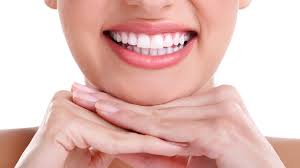

Aesthetic dentistry is a vital aspect of modern dental care, yet the perception of a “beautiful smile” varies significantly across cultures and countries. Numerous studies have confirmed that beauty standards are heavily influenced by an individual’s social and cultural context. Smile aesthetics in the U.S. and South Korea differ considerably in customer preferences, design approaches, materials used, and the influence of media and cultural values. This article offers an in-depth analysis of the key differences between the American-style and Korean-style natural smile design trends, helping dentists and clinic owners better meet patient expectations through tailored dental design services.
1. Why Understanding Regional Smile Design Trends Matters
The demand in cosmetic dentistry is shifting rapidly—from purely functional restorations to lifestyle- and experience-driven transformations. Patients today are not only looking for strong and healthy teeth but also for smiles that match their identity, facial features, and personal image.
Understanding the aesthetic preferences behind American and Korean smile styles enables dental professionals to:
- Offer accurate, style-aligned smile consultations tailored to each patient’s unique taste.
- Personalize restorations for higher satisfaction rates.
- Differentiate their services, elevating brand value and positioning in a competitive market.
In the era of personalized aesthetics, mastering and flexibly applying both American and Korean smile design philosophies is a powerful competitive advantage for dentists, clinics, and dental labs. This knowledge not only improves the quality of restorations but also supports strategic growth in the high-end dental service segment.
2. Dental Market Trends: Popular Aesthetic Preferences in the U.S., South Korea, and Vietnam
United States: A Shift Toward Natural Smile Aesthetics

The U.S. cosmetic dentistry market is highly developed, offering a wide range of services across both mid-range and premium segments. The “Hollywood Smile” has long been a flagship service in many cosmetic dental clinics, fulfilling the dream of a perfectly white, symmetrical smile (Dental, 2023). Americans are very fond of services that help achieve white and straight teeth: the most popular is professional teeth whitening, with approximately 19% of Americans having had their teeth whitened at a dental clinic according to a recent survey. (Ballard, 2023).
However, by 2025, the spotlight is shifting toward the “Natural Smile Makeover.” An increasing number of American patients now request smiles that appear naturally beautiful rather than overly perfect. New aesthetic benchmarks are emerging, such as semi-translucent tooth shades, slightly asymmetrical tooth shapes, and realistic surface textures.
This evolution in patient expectations is pushing U.S. dentists to diversify their offerings. In addition to traditional porcelain veneers, many clinics now include services like composite bonding, subtle whitening, and Invisalign orthodontics to meet this demand for natural, minimally invasive transformations.
South Korea: A Leader in Harmonious, Subtle Smile Design

South Korea is a well-established hub for cosmetic dentistry in Asia, attracting not only domestic patients but also a growing number of international dental tourists, especially from neighboring countries like China, Japan, and Vietnam.
Korean patients generally prefer subtle, harmonious smile designs, aligning with the cultural emphasis on natural beauty. As a result, services such as ultra-thin veneers, aesthetic orthodontics, and teeth whitening are especially popular (Tourism, 2025).
A notable trend in Korea involves early orthodontic treatment among young adults to achieve a well-aligned smile, followed by the selective application of just a few veneers to refine the aesthetics. This approach emphasizes minimal restoration combined with strategic alignment, in contrast to full-mouth porcelain treatments. Furthermore, dental design services in Korea are often linked to jaw and facial surgery. Many patients undergo orthognathic surgery to correct jaw alignment (e.g., protruding jaws) alongside dental treatment, seeking a comprehensive transformation of both smile and facial profile (Seo & Choi, 2021).
Table 1: Smile Design Style Comparison: Hollywood Smile vs Korean Smile
Criteria
Hollywood Smile
Korean Smile
Technique
Comprehensive intervention: tooth preparation, multiple veneers/crowns at once, whitening, gum surgery if needed. Fairly invasive but offers quick, dramatic results. Often utilizes DSD (Digital Smile Design) to visualize outcomes for patients.
Minimally invasive approach: mild orthodontics if needed, ultra-thin veneers on select teeth, minimal drilling (preserving pulp). Gradual adjustments using a combination of low-impact methods like orthodontics, bonding, and whitening.
Tooth Shape & Color
Teeth are often made larger and squarer (especially for men) to create a bold, healthy appearance. Incisal edges of front teeth are nearly aligned, forming a slightly curved but full smile arc. Tooth shades typically in bright tones (A1, B1, or bleached), often whiter than natural.
Tooth shapes are refined and softer: rounded corners, not overly long incisors, with proportions matching East Asian facial features. Smile arc follows the natural contour of the lower lip; corners of the mouth are not overly exposed. Shades are bright but within the natural range (A1, A2) to avoid excessive brightness.
Restorative Materials
Lithium disilicate veneers (e.g., E.max) commonly used for anterior teeth due to strength and aesthetics. Full-contour zirconia crowns are preferred for posterior teeth or high-load cases. Increasing use of multilayered ceramics to mimic enamel. Composite is rarely used for permanent veneers—mainly for temporary or minor bonding.
Ultra-thin porcelain veneers (e.g., multilayered feldspathic porcelain) used to minimize tooth reduction. E.max and zirconia are also used when needed but selected carefully to preserve natural translucency. Popular use of “no-prep” Korean veneers—specially formulated thin ceramics with strong bonding. Composite is often used for minor reshaping or as a precursor to ceramic work.
3. Strategic Insights for Dental Clinic Owners
For clinic owners and dental professionals, recognizing these evolving market preferences is key to building a competitive and sustainable service offering. By aligning with these dual trends—natural enhancement in the U.S. and harmony-focused minimalism in Korea—clinics can:
- Tailor treatment plans to meet specific cultural and aesthetic expectations
- Offer consultative services that prioritize long-term oral health and personalized beauty
- Position their practices for success in both local and international patient markets
Understanding the intersection between culture and cosmetic dentistry not only improves patient satisfaction but also provides a strategic advantage in the premium dental care landscape.
4. Why Choose VCAD?
For clinic owners and dental professionals, recognizing these evolving smile design trends is key to building a competitive and sustainable service offering. By aligning with these dual trends—natural enhancement in the U.S. and harmony-focused minimalism in Korea—clinics can:
Tailor treatment plans to meet specific cultural and aesthetic expectations
Offer consultative services that prioritize long-term oral health and personalized beauty
Position their practices for success in both local and international patient markets
Understanding the intersection between culture, smile design trends, and cosmetic dentistry not only improves patient satisfaction but also provides a strategic advantage in the premium dental care landscape.
Reading more:
_______________________________________
Contact VCAD Dental Laboratory today to learn more about us.
Hotline: +84963870270
Email: partner@vcaddental.com
Website: https://www.vcaddental.com/