
Category Archives: News

1. Introduction about CAD/ CAM


The field of restorative dentistry is undergoing a profound transformation. Traditional methods of creating crowns, bridges, and dentures—though effective—often come with significant limitations: lengthy turnaround times, inconsistencies in precision, and multiple chairside adjustments that consume both dentist and patient resources.

In this changing landscape, CAD/CAM technology (Computer-Aided Design and Computer-Aided Manufacturing)is emerging as a true game-changer. By digitizing the design and production process, it enables laboratories and clinics to achieve levels of accuracy, efficiency, and aesthetics that were once unattainable. For dental professionals seeking to elevate their practice and deliver world-class results, CAD/CAM is no longer a luxury—it is quickly becoming the global standard.

At VCAD Dental Outsourcing Lab, CAD/CAM is not just a tool but the very foundation of our workflow, allowing us to serve dental clinics and laboratories worldwide with speed and precision.

2. What is CAD/CAM in Dentistry?


CAD/CAM stands for Computer-Aided Design and Computer-Aided Manufacturing. In dentistry, this technology is applied to design and fabricate high-quality restorations such as crowns, bridges, veneers, and dentures with exceptional accuracy.

Explanation in context


Instead of relying solely on manual impressions and wax-ups, CAD/CAM transforms physical data into digital form, which is then processed to create restorations with micron-level precision. This not only reduces human error but also accelerates delivery times dramatically.

The CAD/CAM workflow typically includes:


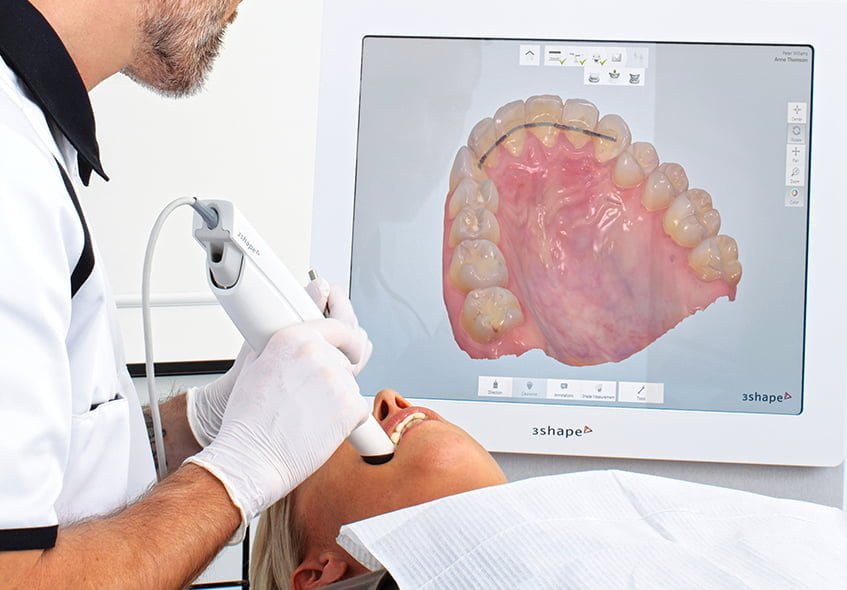
  1. Digital scanning – Intraoral scanners or model scanners capture precise 3D data of the patient’s teeth and gums.

  2. Design (CAD) – Software platforms like Exocad and 3Shape are used by technicians at VCAD to create a digital model of the restoration.

  3. Material selection – High-quality blocks such as zirconia, e.max, or metal alloys are chosen based on functional and aesthetic needs.

  4. Manufacturing (CAM) – Milling machines and 3D printing systems produce the restoration directly from the digital design.

  5. Finishing and quality check – Final polishing, shading, and inspection ensure that the product meets international standards (CE, FDA, ISO).


This process ensures restorations that are accurate, aesthetic, and reliable, reducing the need for multiple adjustments and providing a better patient experience.


3. Why CAD/CAM is a Breakthrough for Restorative Dentistry


The adoption of CAD/CAM has redefined what is possible in restorative dentistry. Traditional workflows often required multiple visits, time-consuming impressions, and significant manual labor. In contrast, digital workflows streamline every step, enabling both clinicians and laboratories to achieve superior results in less time.

Key reasons CAD/CAM is transforming restorative dentistry:


  • Speed and efficiency
    Restorations that once took 5–7 days in a conventional lab can now be designed within hours and manufactured in 1–2 days. At VCAD, our commitment is design in 8 hours, milling in 2 days, ensuring timely delivery without compromising quality.

  • Precision and consistency
    CAD/CAM systems deliver restorations with micron-level accuracy. This minimizes chairside adjustments, reduces remakes, and guarantees a better fit for the patient from the very first try.

  • Enhanced aesthetics
    Digital libraries allow technicians to design restorations that mimic natural tooth anatomy. Combined with high-quality materials like zirconia and e.max, the results achieve both strength and lifelike beauty.

  • Transparency and control
    Digital data is traceable. Dentists can follow the entire workflow—from scan to delivery—ensuring full visibility into how each restoration is made. This transparency builds trust between clinic, lab, and patient.


Example in practice


Consider a single zirconia crown case. Traditionally, the dentist would take a physical impression, ship it to a lab, and wait several days for a result that might require multiple adjustments. With CAD/CAM, the intraoral scan is transmitted instantly, the crown is digitally designed at VCAD, and the milled zirconia block can be delivered in nearly half the time—with higher accuracy and reduced need for correction.


4. CAD/CAM and Outsourcing Labs — Opportunities for Clinics & Dentists


While CAD/CAM technology is revolutionary, the reality is that not every dental clinic can afford to invest in high-end scanners, milling machines, and specialized technicians. The initial costs, training requirements, and maintenance can be overwhelming for smaller or mid-sized practices. This is where outsourcing to a digital dental lab like VCAD becomes a powerful solution.

Advantages of outsourcing CAD/CAM restorations to VCAD:


  • Cost efficiency
    Clinics avoid the heavy capital investment in equipment and software while still gaining access to cutting-edge technology.

  • Access to expertise
    VCAD employs highly skilled digital technicians proficient in software like Exocad and 3Shape, ensuring designs meet international standards.

  • Time savings
    With a workflow of 8-hour design and 2-day milling, dentists can treat patients faster, reduce chairside time, and increase patient turnover.

  • Consistency and reliability
    Every restoration is backed by strict quality control and international certifications (CE, FDA, ISO), ensuring dependable results across cases.

  • Scalability
    Whether a clinic needs a single crown or multiple full-arch restorations, outsourcing provides the flexibility to handle varying case volumes.


Comparison: In-house lab vs. Outsourcing to VCAD


Building an in-house dental laboratory equipped with CAD/CAM technology can be a major challenge for many clinics. The initial investment alone is substantial, often exceeding $100,000 when factoring in scanners, milling machines, furnaces, and software licenses. Beyond the financial cost, there is the ongoing responsibility of recruiting and continuously training skilled technicians to operate the systems effectively. Maintenance is another hidden expense: milling machines and furnaces require regular servicing, and when patient volume is low, expensive equipment may sit underutilized—turning into a financial burden rather than an asset.

By contrast, outsourcing to VCAD Dental Outsourcing Lab eliminates these barriers. Instead of facing heavy capital expenditures, clinics can operate on a pay-per-case model, giving them predictable and scalable costs. Each case benefits from the expertise of VCAD’s experienced team, who work daily with the latest CAD/CAM technology and are fully proficient in software such as Exocad and 3Shape. Turnaround times are also faster, with designs completed in as little as 8 hours and milling finalized within 2 days, ensuring clinics can meet patient needs without long delays. Moreover, every restoration is backed by strict quality control and compliance with international standards (CE, FDA, ISO)—providing peace of mind for both dentists and patients.

Ultimately, while running an in-house lab may suit very large clinics with high case volumes, for most practices the smarter option is outsourcing. Partnering with VCAD allows clinics to focus on delivering outstanding patient care, while leveraging world-class technology and expertise without the risks of high overhead.


5. Materials in CAD/CAM — Durable, Aesthetic, and Safe


The success of any restoration does not rely solely on design and manufacturing technology—it also depends on the quality of materials used. At VCAD Dental Outsourcing Lab, we combine CAD/CAM precision with internationally certified materials to ensure long-lasting, biocompatible, and aesthetically pleasing outcomes.

Key materials VCAD works with in CAD/CAM restorations:


  • Zirconia

    • Known for its exceptional strength and durability.

    • Ideal for crowns, bridges, and full-arch cases where mechanical load is high.

    • Provides a natural translucency that closely mimics enamel when layered or monolithic.


  • E.max (Lithium Disilicate)

    • Recognized worldwide for its superior aesthetics.

    • Offers lifelike translucency and color matching, making it perfect for anterior restorations.

    • Balanced strength and beauty — suitable for veneers, inlays, onlays, and crowns.


  • Metal alloys

    • Still valuable in specific restorative cases requiring maximum durability.

    • Often combined with porcelain for porcelain-fused-to-metal (PFM) solutions.

    • CAD/CAM milling ensures accurate frameworks that improve fit and longevity.


Why CAD/CAM enhances these materials


  • Micron-level precision: Milling machines produce restorations that fit perfectly, reducing micro-gaps and improving long-term success.

  • Standardized quality: Digital workflows ensure consistent results across every case, eliminating variability often seen in manual processes.

  • Global certifications: All materials used by VCAD are compliant with CE, FDA, and ISO standards—guaranteeing both safety and international acceptance.


By integrating advanced materials with CAD/CAM technology, VCAD delivers restorations that are not only strong and reliable but also indistinguishable from natural dentition.

6. The Future of CAD/CAM in Dentistry


The CAD/CAM revolution is only at the beginning. As digital dentistry continues to evolve, several trends are set to shape the next decade, bringing even greater opportunities for clinics and labs worldwide.

Emerging trends to watch:


  • Artificial Intelligence (AI) in design

    • AI-powered algorithms will assist in analyzing patient scans, recommending the best design, and even predicting occlusion adjustments.

    • This will further reduce human error and speed up design time.


  • 3D printing integration

    • While milling remains dominant, 3D printing is gaining traction for producing temporary crowns, surgical guides, and even permanent restorations in the near future.

    • Combining CAD/CAM with additive manufacturing will expand possibilities in material choice and case customization.


  • Personalized dentistry

    • Patients increasingly expect tailored solutions.

    • CAD/CAM allows for highly individualized restorations that reflect natural morphology and aesthetic preferences.


  • Global collaboration through outsourcing

    • With digital workflows, scans can be sent instantly across borders.

    • This enables labs like VCAD to support clinics worldwide, offering fast turnaround and international-grade quality without geographical barriers.


In the coming years, the integration of AI, 3D printing, and advanced biomaterials will take restorative dentistry to unprecedented levels. VCAD is committed to staying at the forefront of these innovations, ensuring that our partners are always one step ahead.

7. Conclusion & Call-to-Action


The rise of CAD/CAM technology represents more than just an upgrade in tools—it is a complete shift in how dentistry is practiced. From faster turnaround times and unmatched precision to improved patient outcomes and global collaboration, CAD/CAM has changed the rules of the game.

For clinics and laboratories, the question is no longer if they should adopt digital workflows, but how quickly they can integrate them. Those who leverage outsourcing partners like VCAD Dental Outsourcing Lab gain instant access to cutting-edge technology, experienced technicians, and internationally certified materials—all without the heavy burden of in-house investment.

We are proud to be the silent partner behind your practice's success.


Get in touch with VCAD Dental today

Website: vcadlab.com/

Email: support@vcaddental.com

Contact: WhatsApp/Viber/Telegram: (+84) 866 664 015

1. Introduction: Why Cost Matters in Modern Dentistry


Running a dental clinic today is as much about financial management as it is about delivering excellent patient care. While clinicians devote their expertise to diagnosis and treatment, the sustainability of their practice depends on how efficiently they manage operational costs. One of the most pressing financial questions many clinics face is whether to invest in an in-house dental laboratory or to partner with an outsourcing provider.


At first glance, an in-house lab may seem appealing—it promises control, immediate access, and integration into the clinical workflow. However, the hidden costs of staffing, equipment, and ongoing maintenance often outweigh the benefits. On the other hand, outsourcing to a trusted partner like VCAD Dental Outsourcing Lab offers a more predictable, scalable model where clinics only pay for what they use.

This decision has become even more significant as dentistry embraces digital workflows such as CAD/CAM, 3D printing, and digital design platforms. These technologies require not only upfront investment but also continuous upgrades and staff training. For many clinics, the question is no longer if outsourcing makes sense, but how much financial benefit outsourcing can bring compared to running an in-house lab.

By analyzing real-world costs and building a financial model, clinics can better understand the economic advantages of outsourcing and how it directly impacts profitability, efficiency, and patient satisfaction.

2. The Real Costs of Running an In-House Lab


Setting up and maintaining an in-house lab involves far more than purchasing a few machines. Clinics must commit to a high initial capital investment and then absorb recurring costs that often escalate over time.

  • Capital investment: To operate a digital lab, clinics must acquire equipment such as intraoral scanners, CAD software licenses, milling units, and sintering furnaces. This setup typically requires $100,000–$150,000 upfront, not including installation and training. These costs are sunk and non-recoverable if case volumes do not justify the investment.

  • Staffing costs: Skilled dental technicians are essential to running an in-house lab. In markets like the US or Europe, salaries range from $3,000–$5,000 per technician per month, with additional costs for recruitment, benefits, and ongoing training. Turnover among technicians is common, which adds hiring costs and disrupts consistency.

  • Maintenance and consumables: Milling machines and furnaces require routine servicing, replacement parts, and software upgrades. Add to this the expense of consumable materials such as zirconia blocks or ceramic powders. These recurring expenses can reach several thousand dollars per month, whether or not the lab is operating at full capacity.

  • Risk of underutilization: Perhaps the greatest hidden cost is underutilization. Unless a clinic has high case volume, expensive equipment may sit idle, draining resources without generating returns. This risk makes in-house labs economically inefficient for small to mid-sized practices.


In reality, the “control” of having an in-house lab often comes at the price of financial rigidity. Instead of allocating resources toward patient care, clinics must divert significant funds to maintaining infrastructure. For many practices, this creates unnecessary pressure on profit margins.

3. Outsourcing to VCAD: The Pay-Per-Case Advantage


Unlike the fixed, high-cost structure of in-house labs, outsourcing to VCAD Dental Outsourcing Lab allows clinics to adopt a far more flexible and predictable model. At its core, this model is based on pay-per-case pricing, which shifts financial risk away from the clinic and toward efficiency.


  1. No capital investment required
    Instead of spending $100,000–$150,000 upfront on CAD/CAM equipment, clinics outsourcing to VCAD only pay for restorations when they need them. This makes it possible for both small private practices and larger group clinics to access advanced digital restorations without locking up capital in machines that may not be used at full capacity.

  2. Predictable costs per restoration
    With VCAD, pricing is transparent and directly tied to case volume. For example:


  • Single-unit zirconia crowns range from $90–$120 per case depending on design complexity.

  • Bridges, implant abutments, and full-arch cases scale up proportionally but remain competitive compared to Western lab pricing.
    This clarity allows clinics to forecast treatment costs accurately, improving financial planning and pricing strategies for patients.


  1. Scalability and flexibility
    Outsourcing removes the bottleneck of staffing and equipment capacity. Whether a clinic needs 10 crowns in a month or 200, VCAD can scale production accordingly. This scalability ensures clinics never pay for idle machines or underutilized technicians—costs that are unavoidable in-house.

  2. Reduced overhead and risk
    Maintenance contracts, technician training, and consumables are all absorbed by VCAD. Clinics do not carry the burden of replacing milling tools, repairing furnaces, or updating software licenses. Instead, they enjoy the benefits of state-of-the-art CAD/CAM technology maintained by specialists.

  3. Quality assurance included
    VCAD integrates strict multi-stage quality control (QC) into every case. For clinicians, this means fewer remakes, less chairside adjustment, and ultimately lower indirect costs like wasted appointment time. Combined with VCAD’s transparency—clinicians can approve 3D designs before production—the model ensures predictable outcomes with minimal financial surprises.


By converting fixed costs into variable costs, outsourcing to VCAD increases financial agility. Clinics pay only for the value they receive, while eliminating the inefficiencies of in-house operations.

4. Financial Model: In-House vs. Outsourcing


To highlight the difference, consider a mid-sized dental clinic performing 100 restorations per month—a realistic workload for many practices.


In-House Lab (US/EU cost structure)

  • Fixed staffing: Two technicians at $4,000/month each → $8,000.

  • Equipment depreciation: Milling unit, scanner, furnace, software licenses (amortized over 5 years) → approx. $5,000/month.

  • Maintenance & consumables: Spare parts, servicing, zirconia blocks, ceramics → $3,000–$5,000/month.

  • Total monthly costs: $16,000–$18,000.

  • Cost per case: With 100 cases, average is $160–$180 per restoration.


Outsourcing with VCAD

  • Variable costs only: 100 restorations at $100 each → $10,000/month.

  • No fixed overhead: No staff salaries, no depreciation, no maintenance.

  • Predictable QC: Included in case pricing, reducing indirect costs from remakes.

  • Total monthly costs: $10,000.

  • Cost per case: $100 per restoration.


Annual Comparison

  • In-house model: ~$192,000–$216,000 per year.

  • VCAD outsourcing: ~$120,000 per year.

  • Savings: $72,000–$96,000 annually, while also reducing managerial workload.


Hidden financial benefits of outsourcing
Beyond direct savings, outsourcing provides intangible but significant financial advantages:

  • Time efficiency: Fewer remakes and adjustments mean dentists can treat more patients per day, increasing revenue.

  • Risk mitigation: No risk of equipment breakdowns or technician turnover disrupting clinical operations.

  • Cash flow stability: Instead of large upfront investment, clinics retain liquidity for growth initiatives (marketing, new branches, patient experience upgrades).


For group practices or chains managing multiple clinics, the savings scale even further. A network performing 500 restorations monthly could save $300,000+ annually by outsourcing to VCAD rather than managing multiple in-house labs.

Conclusion of the model: The numbers are clear. In-house labs lock clinics into rigid, high-cost structures with limited scalability. Outsourcing with VCAD creates a lean, efficient financial model where costs scale exactly with demand, while quality and turnaround remain predictable.

5. Conclusion: A Smarter Financial Choice


The choice between running an in-house dental lab and outsourcing to a partner like VCAD Dental Outsourcing Lab is not just about technology or convenience—it is fundamentally about economics. As the financial model clearly shows, outsourcing transforms laboratory costs from a heavy fixed burden into a flexible, scalable expense that aligns directly with clinical demand.


Clinics that operate in-house labs often face rising overheads, unpredictable maintenance expenses, and the constant challenge of retaining skilled technicians. These fixed costs can strain cash flow and reduce profitability, especially when case volume fluctuates. By contrast, outsourcing to VCAD eliminates these burdens. Clinics only pay per case, enjoy transparent pricing, and benefit from internationally certified materials and workflows without investing in expensive equipment or staff training.

The annual savings are significant—tens of thousands of dollars for small practices, and hundreds of thousands for multi-location networks. Beyond direct cost reductions, outsourcing also enhances operational efficiency. Dentists spend less time on chairside adjustments, avoid costly remakes, and can focus their energy on patient care and practice growth.

In an era where patient expectations are high and competition among clinics is intense, outsourcing provides not just savings but a strategic edge. Partnering with VCAD means access to advanced CAD/CAM restorations, strict quality control, and global-standard certifications—all while maintaining financial flexibility.

For clinics looking to stay competitive, outsourcing is no longer a secondary option. It is a smarter financial choice that secures both short-term profitability and long-term sustainability.

Contact us via:

Phone: (+84) 866 664 015

Email: support@vcaddental.com

Facebook: facebook.com/vcadoutsourcingdentallab


TikTok: tiktok.com/@vcaddentallab0


Aesthetic dentistry is a vital aspect of modern dental care, yet the perception of a “beautiful smile” varies significantly across cultures and countries. Numerous studies have confirmed that beauty standards are heavily influenced by an individual’s social and cultural context. Smile aesthetics in the U.S. and South Korea differ considerably in customer preferences, design approaches, materials used, and the influence of media and cultural values. This article offers an in-depth analysis of the key differences between the American-style and Korean-style natural smile design trends, helping dentists and clinic owners better meet patient expectations through tailored dental design services.

1. Why Understanding Regional Smile Design Trends Matters


The demand in cosmetic dentistry is shifting rapidly—from purely functional restorations to lifestyle- and experience-driven transformations. Patients today are not only looking for strong and healthy teeth but also for smiles that match their identity, facial features, and personal image.

Understanding the aesthetic preferences behind American and Korean smile styles enables dental professionals to:

  • Offer accurate, style-aligned smile consultations tailored to each patient’s unique taste.

  • Personalize restorations for higher satisfaction rates.

  • Differentiate their services, elevating brand value and positioning in a competitive market.


In the era of personalized aesthetics, mastering and flexibly applying both American and Korean smile design philosophies is a powerful competitive advantage for dentists, clinics, and dental labs. This knowledge not only improves the quality of restorations but also supports strategic growth in the high-end dental service segment.

2. Dental Market Trends: Popular Aesthetic Preferences in the U.S., South Korea, and Vietnam


United States: A Shift Toward Natural Smile Aesthetics


The U.S. cosmetic dentistry market is highly developed, offering a wide range of services across both mid-range and premium segments. The “Hollywood Smile” has long been a flagship service in many cosmetic dental clinics, fulfilling the dream of a perfectly white, symmetrical smile (Dental, 2023). Americans are very fond of services that help achieve white and straight teeth: the most popular is professional teeth whitening, with approximately 19% of Americans having had their teeth whitened at a dental clinic according to a recent survey. (Ballard, 2023).

However, by 2025, the spotlight is shifting toward the “Natural Smile Makeover.” An increasing number of American patients now request smiles that appear naturally beautiful rather than overly perfect. New aesthetic benchmarks are emerging, such as semi-translucent tooth shades, slightly asymmetrical tooth shapes, and realistic surface textures.

This evolution in patient expectations is pushing U.S. dentists to diversify their offerings. In addition to traditional porcelain veneers, many clinics now include services like composite bonding, subtle whitening, and Invisalign orthodontics to meet this demand for natural, minimally invasive transformations.

South Korea: A Leader in Harmonious, Subtle Smile Design


South Korea is a well-established hub for cosmetic dentistry in Asia, attracting not only domestic patients but also a growing number of international dental tourists, especially from neighboring countries like China, Japan, and Vietnam.

Korean patients generally prefer subtle, harmonious smile designs, aligning with the cultural emphasis on natural beauty. As a result, services such as ultra-thin veneers, aesthetic orthodontics, and teeth whitening are especially popular (Tourism, 2025).

A notable trend in Korea involves early orthodontic treatment among young adults to achieve a well-aligned smile, followed by the selective application of just a few veneers to refine the aesthetics. This approach emphasizes minimal restoration combined with strategic alignment, in contrast to full-mouth porcelain treatments. Furthermore, dental design services in Korea are often linked to jaw and facial surgery. Many patients undergo orthognathic surgery to correct jaw alignment (e.g., protruding jaws) alongside dental treatment, seeking a comprehensive transformation of both smile and facial profile (Seo & Choi, 2021).

Table 1: Smile Design Style Comparison: Hollywood Smile vs Korean Smile


Criteria


Hollywood Smile

Korean Smile


Technique Comprehensive intervention: tooth preparation, multiple veneers/crowns at once, whitening, gum surgery if needed. Fairly invasive but offers quick, dramatic results. Often utilizes DSD (Digital Smile Design) to visualize outcomes for patients. Minimally invasive approach: mild orthodontics if needed, ultra-thin veneers on select teeth, minimal drilling (preserving pulp). Gradual adjustments using a combination of low-impact methods like orthodontics, bonding, and whitening.
Tooth Shape & Color Teeth are often made larger and squarer (especially for men) to create a bold, healthy appearance. Incisal edges of front teeth are nearly aligned, forming a slightly curved but full smile arc. Tooth shades typically in bright tones (A1, B1, or bleached), often whiter than natural. Tooth shapes are refined and softer: rounded corners, not overly long incisors, with proportions matching East Asian facial features. Smile arc follows the natural contour of the lower lip; corners of the mouth are not overly exposed. Shades are bright but within the natural range (A1, A2) to avoid excessive brightness.
Restorative Materials Lithium disilicate veneers (e.g., E.max) commonly used for anterior teeth due to strength and aesthetics. Full-contour zirconia crowns are preferred for posterior teeth or high-load cases. Increasing use of multilayered ceramics to mimic enamel. Composite is rarely used for permanent veneers—mainly for temporary or minor bonding. Ultra-thin porcelain veneers (e.g., multilayered feldspathic porcelain) used to minimize tooth reduction. E.max and zirconia are also used when needed but selected carefully to preserve natural translucency. Popular use of “no-prep” Korean veneers—specially formulated thin ceramics with strong bonding. Composite is often used for minor reshaping or as a precursor to ceramic work.

3. Strategic Insights for Dental Clinic Owners


For clinic owners and dental professionals, recognizing these evolving market preferences is key to building a competitive and sustainable service offering. By aligning with these dual trends—natural enhancement in the U.S. and harmony-focused minimalism in Korea—clinics can:

  • Tailor treatment plans to meet specific cultural and aesthetic expectations

  • Offer consultative services that prioritize long-term oral health and personalized beauty

  • Position their practices for success in both local and international patient markets


Understanding the intersection between culture and cosmetic dentistry not only improves patient satisfaction but also provides a strategic advantage in the premium dental care landscape.

4. Why Choose VCAD?


For clinic owners and dental professionals, recognizing these evolving smile design trends is key to building a competitive and sustainable service offering. By aligning with these dual trends—natural enhancement in the U.S. and harmony-focused minimalism in Korea—clinics can:


  • Tailor treatment plans to meet specific cultural and aesthetic expectations


  • Offer consultative services that prioritize long-term oral health and personalized beauty


  • Position their practices for success in both local and international patient markets


Understanding the intersection between culture, smile design trends, and cosmetic dentistry not only improves patient satisfaction but also provides a strategic advantage in the premium dental care landscape.


Reading more:


Cultures of oral health


_______________________________________

Contact VCAD Dental Laboratory today to learn more about us.


Hotline: +84963870270

Email: partner@vcaddental.com 

Website: https://www.vcaddental.com/
Updating: Invisalign Palatal Expander - A New Era In Early Orthodonctic Treatment

Launch in London—Shaping the Future of Pediatric Orthodontic Treatment


Align Technology has officially launched the Invisalign Palatal Expander (IPE) system in the United Kingdom and Ireland during a prestigious black-tie event held in central London.


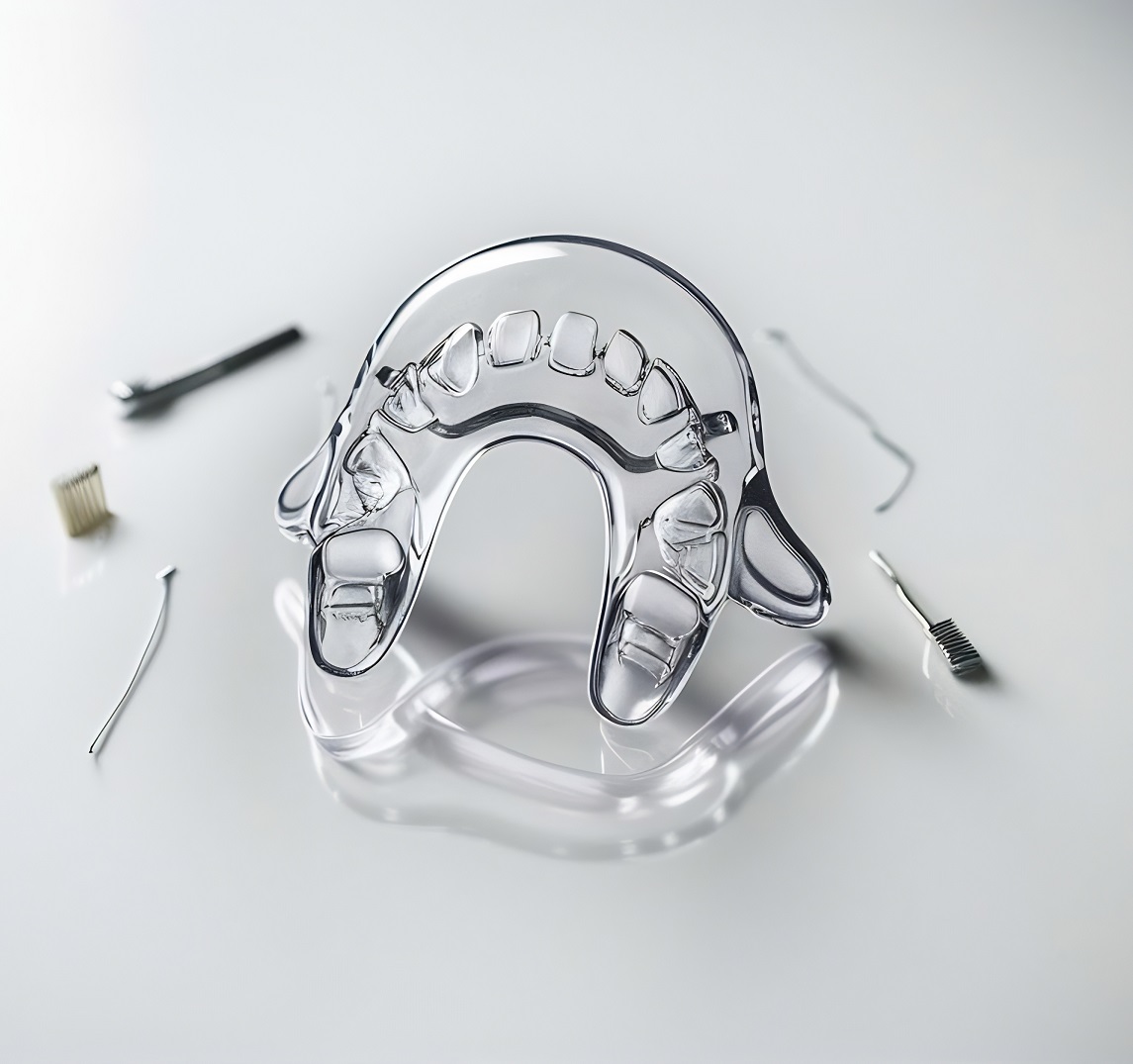
This groundbreaking innovation features a series of 3D-printed appliances designed to gradually expand the upper arch in children aged 6 to 11. With its removable and child-friendly design, this method offers a more comfortable experience for young patients while addressing several limitations of traditional palatal expanders—notably reducing the number of follow-up appointments required during orthodontic treatment.


Amid the growing demand for orthodontic treatment in children and adolescents, the launch of the IPE allows Align to offer a more comprehensive early intervention solution alongside its Invisalign First line. The system ensures a comfortable treatment experience while providing improved support for pediatric oral hygiene.


1. What Is the Invisalign Palatal Expander?


The IPE is a palatal expansion solution designed for children aged 6 to 11. It is digitally designed and manufactured using advanced 3D printing technology. The device enables precise, phased expansion of the palate while ensuring a comfortable experience, maintaining optimal oral hygiene, and fitting seamlessly into a child’s daily lifestyle.

  • Designed based on Itero Lumia scan data for maximum accuracy

  • Fully integrated with Invisalign First, creating a continuous treatment flow from expansion to alignment

  • Aesthetic and functional—no metal, easy to remove, boosting children's confidence in school and social interactions.


Moreover, the use of additive manufacturing (3D printing) enables the production of lightweight, flexible, biocompatible appliances that are not only clinically effective but also significantly more comfortable for pediatric patients. These appliances deliver controlled, gradual expansion forces over time, guided by a predetermined activation schedule built into the design—eliminating the need for manual screw adjustments.

2. Clinical Benefits of the Invisalign Palatal Expander vs Traditional Palatal Expanders


Compared to conventional metal-based fixed palatal expanders—which are attached to the teeth and require daily screw activation—this new appliance offers a number of outstanding clinical advantages for pediatric care. As an innovative 3D-printed solution, it is transforming early-phase treatment with a patient-centered approach. Below are the key benefits of using this system in early interceptive care:


  • Easy to remove, easier to clean, greater comfort for pediatric patients


  • Less pain and reduced anxiety


  • Aesthetic appeal


  • No food restrictions


  • Fewer appointments and fewer emergencies


Many orthodontists attending the event expressed enthusiasm for the device from their very first clinical experience. Dr. Marissa Bell, an orthodontic specialist based in the UK, remarked that “it looks fantastic compared to traditional fixed metal expanders.” She emphasized that its removable design makes oral hygiene significantly easier for young children and praised the appliance’s slim profile, noting it “takes up much less space in the mouth.”


Similarly, Dr. Catherine McCanny shared that the system is “much more patient-friendly” and described it as “truly exciting” to implement in today’s clinical workflows.


3. Future Potential: Clinical Potential for Practices and Benefits for Parents and Pediatric Patients. 


With the introduction of this advanced appliance, experts believe that early orthodontic care is entering a new chapter. According to recent statistics, treatments in younger age groups now account for approximately 20% of all cases each year, and this figure continues to grow. The trend reflects a rising awareness among parents who are seeking early intervention for their children, as well as a growing readiness among clinics to adopt next-generation solutions tailored to pediatric needs.


From the perspective of families, early-phase correction offers numerous practical advantages. Children can now experience palatal expansion in a gentler, less painful manner, with minimal disruption to their daily routines or oral hygiene. Parents also gain greater peace of mind, knowing the appliance is easy to remove for cleaning, gentle on tissues, and enables their child to eat and drink comfortably—without lifestyle limitations.


VCAD believes that the Invisalign Palatal Expander System represents a major breakthrough in global orthodontics, ushering in a new era of “smart and aesthetic treatment for children.” More than just a replacement device, this introduces an entirely new treatment philosophy: timely intervention, minimal invasiveness, and maximum personalization.

Reading more:

Transforming early orthodontic treatment with the Invisalign Palatal Expander System

Effective Dental Practice Management Tips for Optimal Performance

_______________________________________

Contact VCAD Dental Laboratory today to learn more about us.


Hotline: +84963870270

Email: partner@vcaddental.com 

Website: https://www.vcaddental.com/
What’s Next in Dentistry? The Top 5 Innovations Redefining Dental Industry by 2025

The dental industry is undergoing an unprecedented transformation, driven not only by technological advancements but also by a fundamental shift in patient expectations. Patients are no longer satisfied with conventional models of care. They increasingly demand fast, precise, and highly personalized treatment experiences. In response, dental professionals and laboratories are compelled to adopt cutting-edge technologies—such as artificial intelligence, digital scanning, CAD design, 3D printing, and cloud-based data management—not merely to enhance clinical outcomes but to remain competitive in an evolving healthcare landscape.

This transformation is further accelerated by the convergence of rising patient expectations and the evolving professional aspirations of a new generation of dentists and dental technicians. In this context, organizations that proactively embrace innovation—investing in advanced technologies, upskilling their workforce, and building globally scalable operational models—are poised to become the true leaders of next-generation dentistry.

1.Automation and AI are Transforming the Dental Industry


In the context of industry-wide digital transformation, automation and artificial intelligence (AI) are playing a central role in enhancing operational efficiency and improving the quality of patient care in modern dental clinics.

1.1 Automation in Practice Management


Modern dental management software integrates a wide range of automated functions, including:


  • Automated appointment scheduling and reminders via SMS or email


  • Instant electronic billing and invoicing after treatment


  • Cloud-based electronic health records for seamless tracking and accessibility


  • Real-time analytics for financial reporting, practitioner performance, and patient recall rates


These tools reduce administrative workload and create a smoother, more consistent patient experience.


1.2 AI-Powered Personalized Patient Experience


Thanks to AI, dentists are moving closer to delivering precision-based, personalized care tailored to each individual’s oral health profile.


  • AI-Assisted Diagnostics: AI systems can analyze X-rays, CBCT scans, intraoral images, and even digital impressions created during 3D dental design workflows to automatically detect caries, bone loss, periodontal disease, and more. They also suggest preliminary treatment plans, supporting dentists in making faster and more accurate clinical decisions.

  • Virtual Assistants (Chatbots): AI-powered chatbots can respond to patient inquiries, recommend appropriate services, and provide post-treatment care guidance—an especially useful enhancement for clinics offering advanced dental design services such as customized crowns, aligners, or splints.

  • Predictive Analytics: AI can anticipate future patient needs by analyzing clinical history and treatment data. This enables timely interventions and follow-ups, contributing to a more proactive approach in both general dentistry and specialized 3D dental design applications.


1.3 3D Printing in Dentistry


3D printing technology has rapidly entered the dental industry and is now becoming an essential tool in modern digital clinics and dental laboratories. Unlike traditional methods that rely on manual impressions, casting, and modeling, 3D printing enables the creation of highly accurate, fully customized dental restorations with significant time savings.

 Why Are Dentists Adopting 3D Printing?

Dentists and dental labs are increasingly turning to 3D printing due to its clear clinical and operational advantages:

  • Accelerated Workflow: The complete digital process—from intraoral scanning, design, to printing and finishing—can be completed in just a few hours.

  • Greater Precision: 3D printing eliminates many of the inaccuracies associated with traditional impressions and manual modeling.

  • High Customization: Each case can be tailored to a patient’s specific anatomy, resulting in better fit, function, and comfort.

  • Long-Term Cost Efficiency: Especially when printing in large volumes or in-house, it reduces the need for external lab services and lowers material waste.

  • Enhanced Patient Experience: Patients benefit from faster treatment times, more visually intuitive consultations, and high-quality esthetic results.


According to Grand View Research, the global dental 3D printing market was valued at USD 3.1 billion in 2023 and is projected to grow at a compound annual growth rate (CAGR) of 26.4% from 2024 to 2030. This growth reflects not just a passing innovation, but a true revolution in oral healthcare delivery—shaping a future that is faster, smarter, and more personalized.

1.4 Digital Workflow Integration (CAD/CAM Dentistry)


As the global dental industry shifts toward a smarter and more precise model of operation, CAD/CAM Dentistry plays a central role in establishing a fully digital treatment workflow—from digital impressions to final restoration fabrication.

Key Benefits of CAD/CAM Workflow

  • Exceptional Accuracy: Digital impressions and computer-guided design significantly reduce human error, resulting in superior fit and function.

  • Faster Treatment Turnaround: Cases can be scanned, designed, and fabricated in a fraction of the time compared to traditional workflows.
    Enhanced Patient Experience: Patients benefit from quicker procedures, less discomfort, and higher esthetic results.
    Operational Efficiency: Clinics and labs reduce dependency on manual labor, increase productivity, and streamline case management.

  • Easy Data Storage and Reuse: Digital files can be stored securely and reused for future treatments, modifications, or case comparisons.


What Types of Treatments Are Suitable for CAD/CAM?

CAD/CAM technology is highly adaptable and can be applied in a wide range of dental procedures, including:

  • Single-unit restorations: crowns, veneers, inlays/onlays

  • Bridges and customized implant abutments

  • Removable prosthetics: partial and full dentures, frameworks

  • Whitening trays and night guards/ splint

  • Surgical guides for precise implant placement

  • Orthodontic 

  • Increased Demand for Personalized & Preventive Care


As patients become more health-conscious and proactive, dentistry is shifting from a reactive model focused on fixing problems to a proactive, prevention-first and personalized care approach. This transition reflects broader changes in healthcare—where oral health is seen as part of the overall health ecosystem.

2. Why Is This Trend Accelerating?


  • Patients are more informed and proactive: They prefer understanding their oral condition and preventing issues rather than waiting for treatment.

  • The mouth-body connection: Studies have shown strong links between periodontal disease and systemic conditions like heart disease, diabetes, and pregnancy complications.

  • Digital and wearable technologies: These tools make it easier to track oral health and offer tailored insights in real time.


Personalized dentistry involves customizing treatment plans, recommendations, and products based on a patient’s genetics, lifestyle, habits, and medical history.

Examples include:

  • Saliva or microbiome testing to assess caries or gum disease risk.

  • Custom restorations (crowns, veneers) and aligners designed to match individual anatomy.


Personalized and preventive dentistry is not just a trend—it’s a long-term strategy. It helps clinics build trust-based relationships, improve treatment outcomes, and stand out in a competitive market. Those who embrace it early will gain a significant advantage in the era of modern, patient-centered dental care.

3. Global Outsourcing Trends in the Dental Industry


Over the past five years, the global dental industry has witnessed a significant surge in demand for digital restorations. However, dental clinics and laboratories in developed countries such as the United States, Canada, Australia, and the UK are increasingly facing several challenges:

  • High labor costs for skilled technicians

  • Shortage of experienced dental technicians

  • Pressure to shorten turnaround times

  • Limited capacity to handle high case volumes efficiently


As a result, there has been a sharp rise in the trend of outsourcing dental design and restoration production to overseas markets, particularly in Asian countries such as Vietnam, China, India, and the Philippines, where the workforce is highly skilled, operational costs are more affordable, and digital infrastructure is rapidly advancing.

4. Key Benefits of Outsourcing Dental Design


Reduced Internal Workload: Outsourcing allows clinics and labs to alleviate internal pressures by delegating design-heavy tasks, especially urgent or high-volume cases. This significantly reduces reliance on in-house personnel and increases overall efficiency—particularly for clinics seeking to scale or optimize their workflow through an outsourcing dental lab partner.

Cost Savings: Outsourcing helps eliminate or greatly reduce fixed operational costs, including:

  • Recruitment and training of full-time technicians

  • Investment in expensive CAD/CAM software and equipment

  • On-site infrastructure and maintenance


Improved Quality and Standardization: Many professional dental CAD centers maintain rigorous quality control systems, ensuring consistent, high-precision outputs. This minimizes the need for adjustments during clinical try-ins, saving time and enhancing the patient experience.

5. Preparing for the Future of Dentistry with VCAD Solutions


At VCAD Dental Laboratory, we’re not just following this trend—we’re helping lead it.

With a dedicated team of 120+ skilled dental technicians, cutting-edge CAD/CAM technology, and seamless remote workflows, VCAD offers high-precision dental design services for labs and clinics around the world. Whether you're a DSO scaling nationwide or a boutique lab needing overflow support, our outsourcing dental lab model ensures:

  • Strict quality control systems

  • Faster turnaround times

  • Precision engineering

  • Dedicated after-sales and technical support 

  • Certified quality


In this article, we’ll explore 5 key trends revolutionizing the dental industry and show how VCAD’s digital lab solutions are designed to help you thrive in this new era.

Reading more:

Dental Veneers Market Share Analysis Report & Size up to 2030

Top 5 best dental laboratiories in Florida

Current status on lithium disilicate and zirconia: a narrative review

_______________________________________

Contact VCAD Dental Laboratory today to learn more about us.


Hotline: +84963870270

Email: partner@vcaddental.com 

Website: https://www.vcaddental.com/


1. Design Personalized Denture in Modern Dentistry: Why Dentures Can’t Be One-Size-Fits-All


In today’s dental landscape, personalization is no longer optional—it’s expected. With a rapidly aging global population and a growing demand for esthetic restorations, the need to design personalized dentures has never been more urgent. According to the World Health Organization, over 30% of individuals over age 65 experience complete tooth loss, underscoring the demand for solutions that restore not only function but also confidence and quality of life—and, most importantly, are made just for them.

Yet despite this growing importance, many traditional denture solutions still follow a mass-manufactured, one-size-fits-all model. These generic restorations often ignore the complex individuality of each patient’s oral anatomy, resulting in discomfort, poor retention, and diminished esthetics. Ill-fitting dentures can lead to pressure sores, speech difficulties, accelerated bone resorption, and even long-term damage to oral tissues.

This is where a modern denture design service makes a transformative difference. By utilizing a fully digital workflow and expert prosthodontic knowledge, today's dental design services can produce highly precise, patient-specific outcomes that were not possible with conventional methods.

A specialized denture design lab applies CAD/CAM technology and clinical input to create restorations that truly fit the patient—restoring function, improving prosthesis stability, and delivering esthetics often indistinguishable from natural teeth. In this context, to design personalized dentures is not a luxury—it's the new standard of care.

Personalized dentures are not just a trend—they represent the future of restorative dentistry, made possible by precision, customization, and advanced dental design services.

2. The Limitations of Mass-Produced Dentures


While mass-produced dentures have long been the conventional solution for edentulous patients, they fall short in several key areas that directly impact patient satisfaction, oral health, and long-term outcomes. Designed to fit a wide range of patients using generic molds and standard measurements, these prosthetics often sacrifice precision, comfort, and function for speed and cost-efficiency.

  • Poor Fit and Retention: Mass-produced dentures often lack intimate adaptation to the unique anatomy of each patient’s ridge, palate, and soft tissue contours.

  • Increased Risk of Pressure Points and Oral Irritation: Because these dentures don’t account for anatomical variations (undercuts, bone

  • resorption, flabby ridges), they exert uneven pressure on the mucosa. 

  • Compromised Esthetics

  • Functional Limitations

  • Lack of Long-Term Viability


These problems not only cause discomfort and inconvenience for patients but also add to the workload and frustration of clinicians who must repeatedly manage ill-fitting prostheses.

3. Key Benefits of Design Personalized Denture Solutions for Patient


According to the Journal of Prosthodontics (2022), custom dentures reduce post-insertion adjustments by up to 65% compared to conventional options. Their advantages include

  • Precision Fit: Through digital impressions and CAD/CAM workflows, personalized dentures are engineered with sub-30 micron accuracy, ensuring a snug fit and stability even in complex ridge anatomies.

  • Natural Aesthetics: Custom denture design services allow full control over tooth shape, size, shade, and gingival contours — resulting in restorations that are often indistinguishable from natural teeth.

  • Improved Functionality: Optimized bite alignment reduces pressure points and enhances mastication

  • Enhanced Durability: High-performance materials extend lifespan up to 5–10 years

  • Minimal Chairside Adjustments: Custom dentures dramatically reduce chairside adjustments and reappointments, saving time and improving clinical workflow efficiency.


As a result of these benefits, customizing a person’s dentures gives them an option that cannot be found with traditional off-the-shelf solutions. 

4. Inside the Custom Denture Workflow: From 3D Scan to Final Smile


Crafting truly personalized dentures requires more than just replicating tooth positions; it involves a deep clinical understanding of the patient’s unique oral anatomy, facial dynamics, occlusal relationships, and esthetic expectations. Every curve, contour, and ridge must be accounted for to ensure optimal retention, bite balance, and natural appearance.

Thanks to the evolution of advanced dental design services, this process has become faster, more predictable, and significantly more precise than traditional methods. Here’s a breakdown of the modern custom denture workflow:

Working Process of Design Personalized Dentures

5. Why VCAD Dental Is the Ideal Custom Denture Provider


With the complexity and precision required to design personalized dentures that truly fit each patient, it’s essential to collaborate with a partner who not only understands the science of prosthodontics but also excels in digital dental design services and patient-centered care. That’s where VCAD Dental sets itself apart.


As one of Vietnam’s leading OEM dental labs, VCAD specializes in the design and manufacturing of customized dentures through cutting-edge CAD/CAM technology and an experienced team of dental designers. Whether you are a dental clinic or a denture design lab seeking a reliable outsourcing partner, VCAD provides tailored solutions that match clinical expectations and esthetic demands.


By offering a fully digital denture design service, we ensure accurate, high-fit restorations with reduced chairside adjustments—allowing our partners across the U.S., Canada, Australia, and Europe to deliver exceptional results efficiently. Every denture is crafted to reflect the patient’s anatomy, lifestyle, and smile goals—because personalized design isn’t a trend, it’s a commitment.


Reading more:

Advanced Dental Prosthetic Technology Solutions

Digital Dental Lab Solutions: Embracing the Future of Dental Prosthetics

Research on the Application of 3D Printing Technology in Custom Denture Manufacturing

_______________________________________

Contact VCAD Dental Laboratory today to learn more about us.


Hotline: +84963870270

Email: partner@vcaddental.com 

Website: https://www.vcaddental.com/
Selecting the right dental laboratory is a critical decision for any dental professional. Here’s a guide to the top considerations when choosing a dental lab in Texas to help you deliver exceptional care and grow your practice.

Dental laboratories in Texas


Top Dental Laboratories in Texas


1. Star Dental Lab - Dental laboratories in Texas


Star Dental Laboratory specializes in crafting natural-looking dental restorations with precision and artistry. Using advanced technology and premium materials, we create crowns, bridges, veneers, and implants that enhance smiles and restore confidence. Located in central Texas, we collaborate closely with dentists and patients to deliver exceptional quality and satisfaction.

Address: 2804 Great Valley Dr, Cedar Park, TX 78613

Service: Crowns, bridges, veneers, and implant restorations

Rating: 4.7 (15 reviews)


2. Hopetown Dental Lab - Dental laboratories in Texas


Founded in 2012, Hopetown Dental Lab has using CAD/CAM technology and digital materials in their work. They have zirconia and other millable restorations, delivering seamless fits that reduce turnaround time.

Address: 5725 Jacksboro Hwy, Fort Worth, TX 76114

Service: Crowns, abutment, all on X, removables, aligners, burs

Rating: 4.8 (18 reviews)


3. VCAD Dental Laboratory - Dental laboratories in Texas


VCAD Dental Laboratory was established in 2018, gathering experts and skilled technicians with many years of experience, they have created a dental lab that provides full services such as crowns & bridges, veneers, inlays/onlays, implants, dentures, trays, orthodontic appliances. From 3D design to finished products, their technicians always bring precise, complete and highly perfect products, providing dental solutions for dentists, clinic owners and lab owners.

Headquarters: VietNam

Service: Dental restoration, Implant, Dentures, Splints, Dental Technology, Dental Orthodontic Appliances, Dental Solutions

Establish: 2018

Review: 5.0 (81 reviews)


Key Factors to Consider When Selecting a Dental Laboratory in Texas


Choosing the right dental laboratory is a crucial decision that can significantly impact the quality of your restorations and the satisfaction of your patients. Here are the key factors to keep in mind when selecting a dental lab in Texas:

1. Comprehensive Services and Expertise


Choose a dental lab that offers a wide range of services to cover all your patients' needs, from crowns and bridges to advanced restorations like all-on-X implants, dentures, and surgical guides. A full-service lab eliminates the need to juggle multiple providers, ensuring seamless case management. Additionally, prioritize labs known for high-quality craftsmanship, delivering restorations with exceptional fit, aesthetics, and durability.

2. Technology and Efficiency


Partner with a lab that embraces advanced technology such as CAD/CAM systems and 3D printing. These tools enhance accuracy, efficiency, and turnaround time. Look for labs that can deliver fast results, such as completing designed products in hours or processed restorations within days, without compromising quality.

3. Collaboration and Support


Strong communication and personalized collaboration are essential for complex restorations and patient satisfaction. A reliable lab will work closely with you to tailor solutions for individual cases, while offering dedicated customer service to ensure smooth workflows. Additionally, consider cost-effective options and labs that incorporate sustainable practices to align with your clinic’s values.

By choosing the right dental laboratory in Texas, you can streamline operations, elevate patient care, and grow your practice with confidence.

VCAD Dental Laboratory - Your partner dental lab in Texas


Comprehensive Dental Restoration Services


VCAD Dental Laboratory offers a full suite of dental lab solutions, including fixed restorations like crowns, bridges, and implants, as well as removable options, splints, and braces. We are dedicated to delivering top-quality products and services to dentists.

Our services include advanced 3D dental design, enabling dentists to visualize final results and provide accurate diagnoses with ease. Unlike other labs, VCAD Dental Laboratory provides a one-stop solution for all types of dental restorations, eliminating the need to work with multiple providers.

From simple cases such as crowns, bridges, and inlays/onlays to complex restorations like all-on-X implants, dentures, and specialized guards (e.g., anti-grinding guards, surgical guides), every product is meticulously crafted and quality-checked to meet the highest standards.

Advanced Technology for Superior Results


At VCAD Dental Laboratory, we harness cutting-edge technology to deliver outstanding results. Since our founding, we’ve continuously adopted the latest innovations to enhance efficiency, precision, and product excellence.

With a team of over 50 CAD designers and state-of-the-art CAM machines, we leverage CAD/CAM technology to produce restorations with unmatched accuracy and speed. This allows us to complete designs in as little as 8 hours and processed products within 1-2 days. Our commitment to technology and quality has resulted in a customer satisfaction rate of 97.3%.

Your Trusted Partner for Dental Solutions


Beyond being a service provider, VCAD Dental Laboratory strives to be a reliable partner for dentists, dental clinics, and lab owners by offering tailored solutions to common industry challenges.

We address issues such as staffing shortages, high operational costs, overwhelming workloads, and increasing patient expectations for superior care. By partnering with VCAD Dental Laboratory, you gain access to a dependable lab that can streamline your operations, enhance restoration quality, and improve patient satisfaction.

Choosing the right dental lab is critical for the success of your practice. Collaborate with VCAD Dental Laboratory to elevate your restorations, meet patient demands, and grow your business with confidence.

There are 340 dental laboratories in New York, how do you determine which lab is the most suitable for your practice? In this article, we will show you the factors to consider when selecting a dental laboratory in New York and the top dental laboratories in New York so you can choose which is the best for your practice.


Choosing the right dental laboratory in New York


Selecting the right dental laboratory in New York is a pivotal decision for any dental practice. The quality of your restorations, the reliability of your workflow, and ultimately, patient satisfaction all depend on this choice. Here are the top factors that you should consider when choosing a dental lab

How many services do they have

A dental lab can specialize in 1 service or can offer a variety of services, including fixed prosthetics, removable dentures, implants, and hybrid restorations. You can choose which dental laboratory best meets your needs. A specialized lab may be highly skilled in the type of service it provides. It only focuses on a single service and ensures high quality for that service.

A full-service lab can handle all your cases, saving time and ensuring consistent quality. They can offer a full range of services from dental design to fabricating products. If you can choose a reliable dental lab, they can handle a wide range of services and ensure quality at the same time.

Ask about the turnaround time

Turnaround time is an important factor when working with a dental lab because timely delivery is critical for meeting patient schedules and keeping your clinic running smoothly. You should ask about standard turnaround times and how the lab manages urgent requests or complex cases.

Quality control is required

When choosing a dental laboratory in New York, quality control should be a top priority. A reputable lab will have stringent measures in place to ensure every restoration meets the highest standards of precision, durability, and aesthetics.

Top dental laboratory in New York


1. Advanced Dental Laboratory - Dental laboratories in New York

Advanced Dental Laboratory, based in New York City has been transforming smiles and building relationships with dentists for 30 years. They offer support and expertise services for clients. With a skilled, long-standing team of global technicians, they prioritize reliability, accessibility, and exceptional service in every case

Address: 274 Madison Ave #1701, New York, NY 10016

Service: Implant, Removables

Rating: 4.9 (8 reviews)


2. Streamline Dental Lab - Dental laboratories in New York

With nearly 20 years of experience, Streamline is a full-service dental lab delivering reliable, high-quality solutions at affordable prices. Established during the rise of digital technology, they specialize in in-house CAD/CAM design, milling, and 3D printing. They offer personal attention, consistent quality, exceptional value, and cutting-edge digital technologies for dental practices.

Address: 237 W 37th St 2nd Floor, New York, NY 10018

Service: Crowns and Bridges, implant abutments and removable

Rating: 4.5 (16 reviews)


3. VCAD Dental Laboratory - Dental laboratories in New York

VCAD Dental Laboratory was established in 2018, gathering experts and skilled technicians with many years of experience, they have created a dental lab that provides full services such as crowns & bridges, veneers, inlays/onlays, implants, dentures, trays, orthodontic appliances.

From 3D design to finished products, their technicians always bring precise, complete and highly perfect products, providing dental solutions for dentists, clinic owners and lab owners.

Headquarters: VietNam

Service: Dental restoration, Dental Technology, Dental Orthodontic Appliances, Dental Solutions

Establish: 2018

Review: 5.0 (81 reviews)


4. Ariana Dental Lab Inc. - Dental laboratories in New York

Ariana Dental Lab is a boutique, one-person-owned dental lab in New York City, operated by a denture specialist with 40 years of experience. They use vitalium metal frames and American-made materials to create finely crafted, durable dentures. With premium teeth and color-stable acrylic, our dentures offer superior quality and a natural appearance you can trust.

Address: 1367 Coney Island Avenue 3rd Floor Brooklyn, NY 11230

Service: Denture

Review: 4.7 (14 reviews)


VCAD Dental Laboratory - Your partner to success


Full Service of Dental Restoration


VCAD Dental Laboratory provides a full range of dental lab services, from fixed restorations such as crowns, bridges, implants to removable, all kinds of splints and braces. VCAD Dental Lab is committed to bringing the best quality products and services to dentists.

Our services include 3D dental design, helping dentists easily see the final results and make accurate diagnoses for patients. Unlike other Labs, when cooperating with VCAD Dental Laboratory, you can have all kinds of products that meet the requirements of patients without having to find another party.

We provide high-quality products from simple cases such as bridges and crowns, inlays/onlays to complex products such as all-on X implants, dentures and especially guards such as anti-grinding guards, surgical guides, etc. Each product is standardized according to the process, and has a strict control process, ensuring quality for all cases.

Cutting Edge Technology


VCAD Dental Laboratory leverages advanced CAD/CAM technology to deliver precise dental restorations with exceptional speed. Our investment in 50+ CAD design technicians and CAM machines allows for 8-hour design turnaround and 1-2 day processing. This efficiency, driven by technology, achieves a 97.3% customer satisfaction rate.

Best Dental Solutions And Trustful Partner For Dentists


More than just a dental lab service provider, VCAD Dental Laboratory's higher mission is to become a trusted partner for dentists, dental lab owners and dental clinic owners, providing comprehensive solutions for them.

Dentists, clinic owners and dental labs today are facing many problems that hinder their work and business operations. VCAD Dental Laboratory offers a comprehensive solution, solving problems such as staff shortage, high costs, excessive workload, and most importantly, customers' increasing expectations and demands for higher quality service. With these difficulties, cooperating with a reputable and quality dental lab like VCAD Dental Laboratory is important to solve business problems.

Choosing the right dental laboratory can significantly impact the quality of your restorations and the satisfaction of your patients. Take the time to explore and partner with a reliable dental lab among dental laboratories in New York to elevate your practice and provide exceptional care.
Finding the perfect dental laboratory is essential for ensuring high-quality care and patient satisfaction in your dental clinic. In New Jersey, the dental industry thrives with labs that blend advanced technology, skilled craftsmanship, and unparalleled service.

In this article, we’ll guide you through the top dental laboratories in New Jersey, helping you find the ideal partner to elevate your clinic’s success.


Top-rated dental laboratories in New Jersey


Finding the right dental laboratory is vital for any dental practice looking to provide exceptional patient care. Based on reputation, customer service, and technological capabilities, several laboratories stand out in New Jersey.

1. MRM Dental Lab - Dental laboratories in New Jersey

Since 1995, MRM Dental Lab has brought exceptional dental lab services for dentists and dental clinics. They specialize in crafting dental restoration products that excel in strength, durability, and precision. Their products are: fixed restorations, implants/hybrid and removable.

Founded in: 1995

Service: Dental restorations product

Contact: 609-645-1233

Address: 2511 Fire Rd, STE A11, Egg Harbor Twp, NJ 08234


2. Vitality Technologies - Dental laboratories in New Jersey

Vitality Technologies dental lab is a top dental lab in New Jersey, they are a digital dental lab that enhanced the advanced technology in their work. They specialize in creating 3D digital dentures, fixed restorations and removable products. Every product is made with cutting-edge technology to ensure a precise fit, high quality and excellent aesthetic of the products.

Service: Digital dental lab service

Headquarters: 442 Westfield St. West Springfield, MA 01089

Rates on Google: 4.5 (24 reviews)


3. VCAD Dental Laboratory - Dental laboratories in New Jersey

VCAD Dental Laboratory is a reputable dental laboratory headquartered in Vietnam, they have worked and cooperated with many large dental laboratories and clinics in countries around the world. In Florida, this dental laboratory has worked with many partners and dentists, bringing high results to patients.
The dental laboratory provides a full range of dental services such as ceramic restorations, fixed restorations, implants, removable restorations and 3D dental design providing a full range of services for dentists, dental clinics and dental laboratories.

Headquarters: Ho Chi Minh City, VietNam

Service: Dental Laboratory Full Service, Digital workflow support, Dental Solutions

Contact: (+84) 86 568 6564

Review on Google: 5.0 (85 reviews)


4. Global Dental Laboratories USA  - Dental laboratories in New Jersey

Based in Piscataway, New Jersey, Global Laboratories is a comprehensive dental laboratory specializing in crafted dental restorations. They offer a wide range of services, including fixed, removable, implant, and hybrid cases. Their skilled dental technicians combine cutting-edge technologies with artistic precision to create exceptional restorations, delivering outstanding results.

Headquarters: 144 12th St. Piscataway, NJ 08854

Service: Dental restoration

Review on Google: 4.8 (52 reviews)


VCAD Dental Laboratory - trustful partner for your clinic


Full Service of Dental Restoration


VCAD Dental Laboratory provides a full range of dental lab services, from fixed restorations such as crowns, bridges, implants to removable, all kinds of splints and braces. VCAD Dental Lab is committed to bringing the best quality products and services to dentists.

Our services include 3D dental design, helping dentists easily see the final results and make accurate diagnoses for patients. Unlike other Labs, when cooperating with VCAD Dental Laboratory, you can have all kinds of products that meet the requirements of patients without having to find another party.

We provide high-quality products from simple cases such as bridges and crowns, inlays/onlays to complex products such as all-on X implants, dentures and especially guards such as anti-grinding guards, surgical guides, etc. Each product is standardized according to the process, and has a strict control process, ensuring quality for all cases.

Cutting Edge Technology


We understand that in today's digital age, utilizing advanced technology will bring outstanding results. Therefore, since the establishment of VCAD Dental Laboratory, we have constantly updated the most advanced technologies to apply to the production process, helping to increase the efficiency, accuracy and perfection of the product.

Thanks to investing in CAD/CAM technology, with more than 50 CAD design technicians and a series of CAM machines, we are ready to create precise restorations quickly. The use of technology has helped us increase the completion time to only 8 hours for a designed product and 1-2 days for a processed product. That has raised the quality of service at VCAD Dental Laboratory to a new standard, bringing the customer satisfaction rate up to 97.3%.

Best Dental Solutions And Trustful Partner For Dentists


More than just a dental lab service provider, VCAD Dental Laboratory's higher mission is to become a trusted partner for dentists, dental lab owners and dental clinic owners, providing comprehensive solutions for them.

Dentists, clinic owners and dental labs today face many problems hindering their work and business operations. VCAD Dental Laboratory offers a comprehensive solution, solving problems such as staff shortage, high costs, excessive workload, and most importantly, customers' increasing expectations and demands for higher quality service. With these difficulties, cooperating with a reputable and quality dental lab like VCAD Dental Laboratory is important to solve business problems.

By partnering with a trusted dental lab, you can deliver superior restorations, enhance patient satisfaction, and grow your clinic’s reputation. Explore the options highlighted in this article and take the next step toward elevating your practice with a reliable and innovative dental laboratory in New Jersey.
The role of dental laboratories in modern dentistry is undeniable, with over 7,000 labs in the US and a projected international market of $43 billion by 2028. However, to truly optimize quality and workflow, clinics need a lab that aligns with their specific expertise. To help with that, this article will showcase the top dental laboratories in Michigan that match your clinic's expertise, simplifying the selection process


Essential Guide: Partnering with Dental Laboratories in Michigan


Dental laboratories serve as the backbone of any dental practice. They create custom solutions such as crowns, bridges, dentures, and orthodontic appliances based on the specific requirements provided by dentists. This partnership is vital for delivering tailored treatment plans to patients.

The landscape of dental laboratories has evolved significantly. Modern labs utilize advanced technologies like CAD/CAM systems and 3D printing, providing increased precision and efficiency. Understanding these innovations can greatly affect your choice of laboratory.

Top dental laboratories in Michigan


SK Dental Lab


SK Dental Lab was founded in 1978 by Boris Kaufmann, they offer many fields in dental restoration and specialize in crown & bridge, ceramic, removable full and partial dentures, dental implants, and full-cast restorations.

Headquarters: 23225 Northwestern Highway Southfield, MI

Service: Dental restoration, Dental Technology

Establish: 1978

Review: 5.0 (2 reviews)

Motor City Lab Works


Motor City Lab Works was founded in 2014 by orthodontists John Dumas and Christian Groth. At first, they want to create unique products for their orthodontic practices. Later, the lab grew into a full-service dental lab that designed and fabricated the physical product.

Headquarters: 2295 E. Lincoln, Suite 140 Birmingham, MI

Service: Dental restoration, Dental Technology, Dental Orthodontic Appliances

Establish: 2014

Review: 4.7 (13 reviews)

VCAD Dental Laboratory


VCAD Dental Laboratory was established in 2018, gathering experts and skilled technicians with many years of experience, they have created a dental lab that provides full services such as crowns & bridges, veneers, inlays/onlays, implants, dentures, trays, orthodontic appliances. From 3D design to finished products, their technicians always bring precise, complete and highly perfect products, providing dental solutions for dentists, clinic owners and lab owners.

Headquarters: VietNam

Service: Dental restoration, Dental Technology, Dental Orthodontic Appliances, Dental Solutions

Establish: 2018

Review: 5.0 (81 reviews)

>>> Make an appointment

Zedan Dental Lab


Zedan Dental Lab specializes in SLM frameworks, implant bars, full and partial dentures, obturators, attachment cases, etc. They offer products for prosthodontists, dentists, universities, and hospitals across the nation.

Headquarters: 27908 Orchard Lake Rd, Farmington Hills, MI

Service: Removables, Implants, Dental Technology, Dental Orthodontic Appliances

Establish: 1950

Review: No review

The future of dental laboratories in Michigan: Technological advancements and trends


The future of dental laboratories in Michigan looks promising, driven by technological advancements and emerging trends. As the dental landscape continues to evolve, laboratories will need to adapt to maintain relevance and provide value.

This section explores some of the trends shaping the future of dental laboratories.

Embracing digital transformation


Digital transformation is already reshaping the dental laboratory industry. With the advent of technologies such as intraoral scanning, digital impression-taking, and artificial intelligence, laboratories must adapt their processes accordingly.

Laboratories that embrace digital solutions will likely see improved accuracy, faster turnaround times, and enhanced patient satisfaction.

Sustainability practices in dental laboratories


Sustainability is becoming increasingly important across various industries, including dentistry. Dental laboratories are beginning to adopt sustainable practices, such as eco-friendly materials and waste reduction strategies.

By prioritizing sustainability, dental labs not only contribute to environmental conservation but also appeal to consumers who value responsible practices.

Continued education and professional development


As the dental industry evolves, so too must the skills of dental laboratory teams. Emphasizing ongoing education and professional development will be critical for laboratories to stay abreast of trends and technologies.

Laboratories that invest in their workforce will likely provide better service and continue to thrive in Michigan's competitive dental landscape.

Making the right choice in partnering with a dental laboratory is pivotal for both dentists and their patients. Ultimately, it is about creating a seamless experience that prioritizes quality, efficiency, and patient-centered care.

REQUEST A TRIAL ORDER

Request Sample Case VCAD