

Category Archives: News

Dental Lab Solutions : Understanding what matters most to your dental patients is crucial for building a successful practice. In today's competitive market, patients have more choices than ever before. To attract and retain them, it's essential to focus on the aspects of dental care that truly resonate with their needs and concerns. This article will explore the key factors that patients prioritize when choosing a dental practice, from quality of care and comfort to convenience and communication. 

How many factors affect a patient's continuing to visit your dental practice?


Why is patient satisfaction important for a dental practice?


Patient satisfaction is key to a successful dental practice. It drives patient loyalty, positive reviews, and new patient acquisition. Satisfied patients are more likely to return for regular care, recommend the practice to others, and leave positive online reviews, all of which contribute to the practice's growth and reputation. 

Additionally, a positive atmosphere created by happy patients boosts team morale and productivity, leading to a higher standard of service. Patient feedback is invaluable for identifying areas for improvement, ensuring the practice meets patient expectations. 

Prioritizing patient satisfaction also reduces stress and conflict, creating a harmonious environment for both patients and the dental team.

Factors affect a patient satisfaction


A patient's decision to continue visiting a dental practice is influenced by a complex interplay of factors, extending far beyond the technical quality of dental care. While effective treatment and positive health outcomes are fundamental, a patient's loyalty is cultivated through a comprehensive experience that encompasses various aspects of their interaction with the practice.

Quality of Care: The most fundamental factor is the quality of dental treatment and care received. Patients who are satisfied with the results of their procedures and feel that their oral health is improving are more likely to return.

Patient-Dentist Relationship: A positive and trusting relationship with the dentist and staff is crucial. Patients who feel heard, respected, and valued are more likely to remain loyal.

Communication and Education: Clear communication about treatment options, costs, and oral hygiene instructions empowers patients and builds trust.

Convenience and Accessibility: Factors like location, appointment availability, wait times, and office hours can significantly impact patient satisfaction and convenience.

Office Environment and Atmosphere: A clean, welcoming, and comfortable office environment contributes to a positive patient experience.

Cost and Financial Considerations: Transparent pricing and flexible payment options are important, especially for patients without dental insurance.

Technology and Modernization: Up-to-date technology and modern equipment can enhance the patient experience and demonstrate a commitment to quality care.

Pain Management and Anxiety Reduction: Effective pain management techniques and a focus on reducing dental anxiety can create a more positive experience for patients. 55% of all the respondents were dissatisfied with pain management aspects of care, more than double the 20.8% reported by Thomson et al, (1999) in a New Zealand study on dental anxiety and satisfaction with dental services. 

Personalized Care and Attention: Tailoring treatment plans to individual needs and preferences, and addressing specific concerns, can increase patient satisfaction.

Positive Online Reputation: Favorable online reviews and a strong digital presence can attract new patients and reassure existing ones.

Recommendations and Referrals: Word-of-mouth recommendations from friends and family can be a powerful motivator for patients to choose and continue visiting a particular dental practice.

Follow-Up and Post-Treatment Care: Checking in with patients after procedures and providing ongoing support demonstrates a commitment to their well-being.


How can dental practices improve the quality of care they provide to patients?


Elevating Dental Care: Strategies for Enhancing Quality and Patient Satisfaction


In the ever-evolving landscape of healthcare, dental practices must continually strive to improve the quality of care they provide.  This pursuit of excellence not only ensures optimal oral health outcomes for patients but also fosters a positive patient experience that cultivates loyalty and trust.

Enhancing dental care quality


A fundamental pillar of enhancing dental care quality is a commitment to ongoing learning and professional development. Encouraging dentists and staff to participate in continuing education programs ensures that the practice remains at the forefront of dental advancements. By staying abreast of the latest techniques, technologies, and research, practitioners can deliver the most effective and evidence-based treatments.

Patient-centered service


Equally important is a patient-centered approach to care.  This involves actively listening to patient concerns, understanding their preferences, and addressing any anxieties they may have.  Tailoring treatment plans to individual needs and goals empowers patients to take an active role in their oral health journey.  

Clear and comprehensive communication about diagnoses, treatment options, and associated costs further enhances patient engagement and fosters informed decision-making.

Approach with modern technology


The integration of modern technology is another key driver of quality improvement in dental care.  Digital X-rays, intraoral cameras, and laser dentistry offer enhanced accuracy, efficiency, and patient comfort.  Electronic health records streamline documentation, facilitate communication among providers, and promote continuity of care.  By embracing these technological advancements, dental practices can optimize their workflows and deliver more precise and effective treatments.

Effective communication


Effective communication extends beyond the clinical setting.  A welcoming and comfortable office environment, coupled with friendly and empathetic staff, creates a positive patient experience.  Clear explanations of procedures, risks, and benefits empower patients to make informed decisions about their care.  Offering amenities such as Wi-Fi, refreshments, and entertainment options in the waiting area further enhances patient comfort and satisfaction.

Good pain management


Pain management and anxiety reduction are paramount considerations in dental care.  Utilizing effective pain management techniques, such as local anesthesia, sedation dentistry, and nitrous oxide, ensures patient comfort during procedures.  Addressing dental anxiety through relaxation techniques and distraction tools can significantly improve the patient experience and promote regular dental visits.

Quality assurance


To ensure continuous improvement, dental practices should implement robust quality assurance measures.  Regularly soliciting patient feedback through surveys and feedback mechanisms provides valuable insights into patient satisfaction and areas for enhancement.  Internal audits and peer reviews can identify opportunities for optimization within the practice.  Participation in external quality assessments and accreditation programs demonstrates a commitment to maintaining high standards of care.

Collaborative and supportive team


Fostering a collaborative and supportive team environment is essential for delivering quality dental care.  Open communication and teamwork among dentists, hygienists, assistants, and administrative staff promote a seamless patient experience.  Regular team meetings provide a platform for knowledge sharing, problem-solving, and collective decision-making.

Connect with dental community


Finally, staying informed and engaged in the dental community is vital for continuous improvement. Keeping abreast of the latest research, clinical guidelines, and best practices ensures that dental professionals are equipped with the knowledge and skills necessary to deliver the highest standard of care. Participation in professional organizations and conferences fosters collaboration, knowledge exchange, and professional growth.

See top 5 dental community here!

VCAD Dental Laboratory - your dental solution for increasing patient satisfaction


VCAD Dental Laboratory understands that your focus as a dental practitioner is on providing exceptional care and ensuring patient satisfaction. Our comprehensive dental solutions are designed not just to deliver high-quality restorations, but to actively support your practice in achieving this goal.

By entrusting your lab work to us, you free up valuable chair time, allowing you and your team to dedicate more attention to patient interactions, treatment planning, and building lasting relationships. Our streamlined processes and timely delivery ensure that your restorations are ready when you need them, minimizing disruptions to your schedule and maximizing your productivity.

Furthermore, our commitment to precision, quality, and aesthetics means that your patients receive restorations that look, feel, and function naturally. This translates to increased patient confidence, improved treatment outcomes, and ultimately, higher satisfaction levels.

With VCAD Dental Laboratory as your partner, you can focus on what you do best – providing outstanding dental care – while we handle the technical aspects of creating beautiful and functional restorations. Together, we can elevate your practice and create a truly positive experience for every patient who walks through your door.

Hotline: (+84)963870270

Email: partner@vcaddental.com

Website: https://global.vcaddental.com/
The world of dental lab is buzzing with innovation and change. In this July 2024 roundup, we dive into five key news stories that are shaping the industry, from AI-driven workflows to groundbreaking 3D printing technology.

Top 3 Must-read Dental Lab News for July 2024


1. Ivoclar's Innovative Zirconia Discs: A New Standard in Lab Efficiency


Ivoclar Group, a global leader in dental solutions, has revolutionized zirconia restorations with their enhanced IPS e.max ZirCAD Prime discs. A simple yet ingenious addition – a color-coded ring around each disc – is set to transform lab workflows.

  • Streamlined Milling: The color-coded ring and repositioning notch make disc identification and placement into milling machines a breeze.

  • Minimized Waste: The ring design protects discs from chipping or fracturing during handling and milling, saving labs valuable material and money.

  • Proven Quality: Ivoclar's ZirCAD Prime discs have already established themselves as a top performer, with clinical studies showing a remarkable 96% survival rate after five years.


This enhancement underscores Ivoclar's commitment to providing with cutting-edge solutions that prioritize efficiency, reliability, and user-friendliness.

2. 3Shape Unleashes AI to Transform Dental Lab Workflows


3Shape, a pioneer in digital dentistry, has embraced artificial intelligence (AI) to revolutionize operations. Their latest AI-powered software advancements are set to redefine productivity and precision:

  • Model Builder Express: This innovative software automates model production, generating AI-driven proposals that technicians can swiftly review and adjust, saving valuable time and reducing manual labor.

  • 3Shape Automate: This remote digital design service now incorporates AI-powered anterior tooth design, expanding treatment capacity and providing invaluable support during busy periods or staffing shortages.

  • Intelligent Scanning: 3Shape's scanning software now harnesses AI to automatically trim gypsum model scans, minimizing user interaction and freeing up technicians for more complex design work.

  • Implant Studio 2024.1: The latest version of Implant Studio leverages AI to analyze jaw structures and create outlines for full-coverage surgical guides, significantly streamlining the design process.


By integrating AI into its software suite, 3Shape empowers dental technicians to work smarter, not harder, ultimately enhancing patient care.


3. Stratasys DentaJet XL: Accelerating Dental Lab Production with High-Speed 3D Printing


Stratasys has introduced the DentaJet XL, a cutting-edge 3D printer designed to revolutionize productivity. This high-speed PolyJet multi-material printer boasts larger resin cartridges, a spacious print tray, a "Super High-Speed" mode, and a streamlined post-processing workflow.

  • Cost and Time Savings: Early adopters have reported significant reductions in labor costs and cost per part, thanks to the printer's efficiency and automation features.

  • Uninterrupted Operation: The DentaJet XL supports continuous printing, even with large 4kg resin cartridges, minimizing downtime and maximizing productivity.

  • Multi-Material Versatility: The ability to print with two materials simultaneously opens up new possibilities for dental applications.


The DentaJet XL is poised to transform dental lab production, enabling labs to meet the increasing demand for dental appliances with unprecedented speed, efficiency, and precision.

Follow VCAD Dental Laboratory To Get The Latest Dental Lab News


The dental lab landscape is evolving rapidly, and staying informed is essential for success. By embracing technological advancements, adapting to changing regulations, and prioritizing patient well-being, dental laboratories can continue to thrive in the years to come. Follow VCAD to stay informed about the latest news is essential for success in this dynamic field.

Contact VCAD Dental Laboratory today to learn more about how our team of skilled technicians can elevate your practice and enhance your patients' smiles.

Hotline: (+84)963870270

Email: partner@vcaddental.com

Website: https://global.vcaddental.com/
The field of restorative dentistry has seen a significant shift towards using dental ceramics due to their exceptional aesthetic qualities and durability. But just how many kinds of dental ceramics are there, and which is the best choice for different dental needs? This article provides a comprehensive overview of the most popular types of dental ceramics, their properties, applications, and factors to consider when choosing the right material.

How many kinds of Dental Ceramics are there?


Zirconia: The Strong and Versatile Choice


Zirconia, a form of zirconium dioxide, is a ceramic material renowned for its exceptional strength and biocompatibility. It has become a preferred choice for dental restorations due to its ability to withstand the forces of biting and chewing. Zirconia restorations are also known for their long-lasting performance and resistance to wear and tear.

There are different types of zirconia used in dentistry, including:

  • Full-contour zirconia: This type is milled from a solid block of zirconia and is known for its high strength and opacity. It's often used for posterior crowns and bridges where aesthetics are less critical.

  • Layered zirconia: This type combines a zirconia core with a porcelain veneer. It offers a balance of strength and aesthetics, making it suitable for anterior restorations.


Advantages of zirconia restorations:

  • Exceptional strength and durability: Zirconia is one of the strongest dental ceramics available, making it ideal for high-stress areas in the mouth.

  • Biocompatibility: Zirconia is well-tolerated by the body, reducing the risk of allergic reactions or adverse effects.

  • Natural-looking aesthetics: Layered zirconia restorations can be customized to match the color and translucency of natural teeth.

  • Minimal tooth preparation: Zirconia restorations often require less tooth reduction compared to other materials.


Applications of zirconia in dental procedures:

  • Crowns: Zirconia crowns offer a strong and aesthetically pleasing solution for restoring damaged or decayed teeth.

  • Bridges: Zirconia bridges provide a durable and biocompatible option for replacing missing teeth.

  • Implants: Zirconia abutments and implant-supported restorations offer excellent stability and long-term success.


Lithium Disilicate: The Aesthetic Alternative


Lithium disilicate is a glass-ceramic material known for its exceptional translucency and natural appearance. It is a popular choice for anterior restorations where aesthetics are of primary concern. Lithium disilicate restorations can be customized to match the exact shade and characteristics of the surrounding teeth, resulting in a seamless and beautiful smile.

Advantages of lithium disilicate restorations:

  • Excellent aesthetics: Lithium disilicate restorations closely mimic the appearance of natural teeth, making them virtually indistinguishable.

  • High strength: While not as strong as zirconia, lithium disilicate offers sufficient strength for most dental restorations.

  • Conservative preparation: Lithium disilicate restorations often require minimal tooth reduction, preserving natural tooth structure.


Applications of lithium disilicate in dentistry:

  • Veneers: Lithium disilicate veneers provide a thin, durable, and aesthetically pleasing solution for correcting imperfections in the front teeth.

  • Inlays and onlays: Lithium disilicate inlays and onlays offer a conservative and aesthetically pleasing alternative to traditional fillings for restoring moderate tooth decay.


Factors to Consider When Choosing Dental Ceramics


Several factors come into play when selecting the most suitable dental ceramic material for a patient:

  • Patient's needs and expectations: The patient's desired outcome, aesthetic preferences, and functional requirements play a crucial role in material selection.

  • Location of the restoration: The location of the restoration (anterior vs. posterior) influences the choice of material based on aesthetic and strength requirements.

  • Budget: The cost of different dental ceramics can vary, and budget considerations may influence the final decision.


You can read more specifically about choosing materials for dental restoration here!

The Future of Dental Ceramics


The field of dental ceramics is constantly evolving, with ongoing research and development aimed at improving the properties and performance of these materials. Emerging trends and advancements include:

  • 3D printing: 3D printing technology is revolutionizing the fabrication of dental restorations, allowing for more precise and customized results.

  • Nanoceramics: Nanoceramic materials offer enhanced strength, wear resistance, and aesthetic properties compared to traditional ceramics.

  • CAD/CAM technology: Computer-aided design and manufacturing (CAD/CAM) systems enable the efficient and accurate production of dental restorations.


VCAD Dental Laboratory - Providing the Best Dental Ceramic Restoration Solutions for Your Practice


At VCAD Dental Laboratory, we understand the importance of utilizing the latest advancements in dental ceramic technology to deliver exceptional results for your patients. We offer a comprehensive range of dental ceramic restoration solutions, including:

  • Zirconia restorations: Our state-of-the-art zirconia crowns, bridges, and implants are crafted with precision and expertise to ensure optimal fit, function, and aesthetics.

  • Lithium disilicate restorations: Our lithium disilicate veneers, inlays, and onlays are meticulously designed to provide natural-looking and durable restorations that blend seamlessly with your patients' smiles.

  • Other ceramic restorations: We also offer a variety of other ceramic materials to cater to your patient's unique needs and preferences.


Our team of experienced technicians is committed to providing personalized service and support to help you achieve the best possible outcomes for your patients. We work closely with you to understand your specific requirements and deliver restorations that exceed your expectations.

Partner with VCAD Dental Laboratory for Excellence in Dental Ceramics and get a FREE SAMPLE!

When you choose VCAD Dental Laboratory, you can trust that you are partnering with a team that is dedicated to providing the highest quality dental ceramic restorations. We combine our expertise in dental materials, advanced technology, and personalized service to deliver restorations that enhance your patients' smiles and improve their overall oral health.

Contact us today to learn more about our dental ceramic restoration solutions and how we can help you elevate your practice.

Hotline: (+84)963870270

Email: partner@vcaddental.com

Website: https://global.vcaddental.com/
The dental lab industry is competitive, and standing out requires more than just excellent technical skills. Effective marketing can make the difference between a thriving lab and one that struggles to attract clients. 

This article explores two key areas of marketing: building a strong brand and leveraging digital marketing to reach your target audience.

Why you should focus on Marketing for your dental lab now


The dental laboratory market is experiencing significant growth, driven by factors such as an aging population, rising demand for cosmetic dentistry, and advancements in dental technology. 

In recent research, the global dental laboratory market was valued at USD 35.0 billion in 2022 and is expected to reach USD 46.5 billion by 2027, growing at a CAGR of 5.9% during the forecast period. This indicates a large and expanding market with ample opportunities for dental labs. 

The dental lab industry is highly competitive, with numerous labs vying for the attention of dentists. Effective marketing can help your lab stand out and attract a larger share of clients.

you should focus on Marketing for your dental lab now

Building a Strong Brand: Differentiating Your Dental Lab


  • Developing a Unique Value Proposition: What makes your lab special?  Is it your turnaround time, the quality of your materials, your expertise in complex cases, or your exceptional customer service? Identify what sets you apart and clearly communicate this to potential clients.

  • Creating a Memorable Logo and Visual Identity: Your logo and visual branding should be professional, modern, and reflective of your lab's personality. Consistent use of colors, fonts, and imagery across your website and marketing materials helps build brand recognition.

  • Crafting a Compelling Brand Story: Share your lab's history, mission, and values. A well-told brand story creates an emotional connection with dentists, making them more likely to choose your services.


Leveraging Digital Marketing Dental Lab: Reaching Your Target Audience


  • Search Engine Optimization (SEO):  Optimize your website to rank higher in search engine results for relevant keywords. This involves using strategic keywords throughout your content, building high-quality backlinks, and ensuring your website is mobile-friendly and fast-loading.

  • Pay-Per-Click (PPC) Advertising:  Consider running targeted PPC ads on platforms like Google Ads to reach dentists actively searching for services. PPC ads can be an effective way to drive traffic to your website and generate leads.


Social Media Marketing:  Establish a presence on relevant social media platforms like LinkedIn, Facebook, and Instagram. Share informative content, showcase your work, and engage with dentists to build relationships and trust.

Dental Lab Marketing: Building Your Brand and Reaching Dentists Effectively 2024

Collaboration with VCAD Dental Laboratory: Your Perfect Partner for Dental Lab Marketing


At VCAD Dental Laboratory, we understand that marketing can be a challenge for busy labs. That's why we offer comprehensive marketing solutions to help you reach your target audience and grow your business. Our services include:

  • Email outreach: Reach 1,000 potential customers with targeted email campaigns.

  • Content creation: Engage your audience with informative blog posts, articles, and social media content.

  • SEO optimization: Improve your website's visibility in search results and attract more qualified leads.


By differentiating your practice, reaching the right audience, and partnering with VCAD Dental Laboratory to meet the needs of both restoration quality and marketing, you can attract more customers, build long-term relationships and grow your business.

Contact us now: 

Hotline: (+84)963870270

Email: partner@vcaddental.com

Website: https://global.vcaddental.com/ 
In the competitive dental industry, understanding and optimizing your dental lab profit margins is essential for long-term success. This comprehensive guide will break down everything you need to know to boost your profitability, from industry benchmarks to actionable strategies.

What Is A Good Profit Margin For Dental Practice?


Determining a "good" profit margin for your dental lab isn't a one-size-fits-all answer. Several factors come into play:

Industry Benchmarks for Dental Lab Profitability


While profit margins can vary, according to the National Association of Dental Laboratories a typical dental lab earns between 5% and 10% profit margin. For reference, 10% is considered a good profit margin for most industries.

Profit Margin vs. Net Profit: Understanding the Difference for Dental Labs


Profit margin is the percentage of revenue that remains after deducting the cost of goods sold (COGS). Net profit is what's left after all expenses are factored in, including overhead, salaries, and taxes. Both metrics are crucial for assessing financial health.

How Lab Size and Specialization Impact Profit Margins


Larger labs often benefit from economies of scale, allowing them to negotiate better prices on materials and potentially achieve higher profit margins. Specialization in high-demand services can also command premium pricing.

Factors Affecting A Dental Lab Profit Margin


A dental lab's profitability is a complex equation influenced by numerous interconnected factors. Understanding these factors is key to identifying areas for improvement and maximizing your financial performance.

Case Volume: The number of cases a lab processes directly impacts revenue. Higher case volume generally leads to increased profitability, but it's important to balance it with pricing strategies and operational efficiency.

Pricing Strategies: How you price your services is crucial. You need to cover material costs, labor, overhead, and generate a profit. Consider factors like the complexity of the case, materials used, turnaround time, and your lab's reputation when setting prices.

Material Costs: The cost of materials like metals, ceramics, and resins can fluctuate and significantly impact your profit margins. Negotiating favorable contracts with suppliers and exploring cost-effective alternatives can help control these expenses.


Labor Costs: Salaries, benefits, and training expenses for technicians and other staff are a major expense for labs. Optimizing staffing levels, investing in training to improve efficiency, and managing overtime can help control labor costs.

Overhead Expenses: Rent, utilities, equipment maintenance, insurance, and other operational costs are essential to consider. Look for ways to streamline processes, reduce waste, and negotiate better deals with vendors to minimize overhead.

Operational Efficiency: How efficiently your lab operates directly impacts profitability. Streamlining workflows, minimizing errors and remakes, and optimizing production processes can reduce costs and improve your bottom line.

Technology and Equipment: Investing in modern technology and equipment can improve efficiency, reduce labor costs, and enhance the quality of your work, leading to higher case acceptance rates and increased profitability.

Marketing and Sales: Effective marketing strategies can attract new clients and increase case volume. Investing in building relationships with dentists and showcasing the quality of your work can also boost referrals.

Competition: The level of competition in your area can influence pricing and demand for your services. Differentiating your lab through specialized services, quality, turnaround times, or customer service can help you stand out.

Economic Conditions: Economic factors like inflation, recessions, and changes in healthcare policies can impact consumer spending and affect demand for dental services, ultimately influencing lab profitability.

How Can I Improve My Dental Profit Margin?


Boosting your dental lab profit margin requires a multi-faceted approach that addresses various aspects of your operations and business strategy.

Optimize Operations for Efficiency:


  • Lean Manufacturing: Implement lean principles to eliminate waste, streamline workflows, and reduce production time. This can lead to significant cost savings and improved productivity.

  • Technology Integration: Invest in modern dental lab software and equipment to automate tasks, reduce errors, and improve efficiency. Consider CAD/CAM systems, 3D printers, and digital impression scanners.

  • Inventory Management: Maintain optimal inventory levels to avoid excess stock and minimize waste. Implement inventory tracking systems to monitor usage and prevent shortages.

  • Quality Control: Establish rigorous quality control procedures to minimize remakes and ensure customer satisfaction. This can improve your reputation and lead to increased case volume.


Strategic Pricing and Cost Management:


  • Pricing Analysis: Regularly review your pricing structure to ensure it covers all costs and generates a healthy profit margin. Consider factors like material costs, labor, complexity of cases, and market demand.

  • Negotiate with Suppliers: Regularly review contracts with material suppliers and negotiate better pricing. Explore alternative suppliers or bulk purchasing options to reduce costs.

  • Value-Added Services: Offer additional services like consultations, case planning, or digital smile design to increase revenue and differentiate your lab.

  • Track Expenses: Maintain meticulous financial records and track all expenses. Identify areas where costs can be reduced without sacrificing quality.


Outsourcing Certain Tasks or Processes


Consider outsourcing specific tasks or processes that are not your core competencies or are more cost-effective to outsource. This can free up resources to focus on your strengths and potentially reduce costs.

  • Cost Reduction: Outsourcing can lower labor costs, as you don't have to pay for full-time employees and associated benefits.

  • Specialized Expertise: Access specialized skills and knowledge from experts in specific areas, such as CAD/CAM design or implant fabrication.

  • Scalability: Easily scale production up or down based on demand without the need to hire or lay off staff.


Reduced Overhead: Eliminate the need for additional equipment or space for certain tasks.

VCAD Dental Laboratory - Best Solution For Your Dental Profit Margin


VCAD Dental Laboratory understands the unique challenges faced by dental labs. Our comprehensive solutions are designed to optimize your operations, reduce costs, and maximize your profit potential.

VCAD Lab's Value Proposition: How We Boost Your Bottom Line


We offer a range of services, from streamlined workflows to expert consultation, tailored to enhance your lab's efficiency and profitability.

Streamlined Workflows: We analyze your current processes and implement lean manufacturing principles to eliminate waste, reduce bottlenecks, and optimize efficiency.

Cutting-Edge Technology: We leverage the latest advancements in dental technology, including CAD/CAM, 3D printing, and digital impression scanning, to deliver high-quality restorations with unmatched precision and speed.

Expert Consultation: Our team of experienced dental professionals provides expert guidance on everything from case planning and material selection to pricing strategies and marketing.

Cost Reduction: We help you negotiate better prices with suppliers, optimize inventory management, and reduce overhead costs to improve your bottom line.

Quality Assurance: Our stringent quality control measures ensure that every restoration meets the highest standards, reducing remakes and ensuring customer satisfaction.

Try our FREE SAMPLE here!

Case Studies: How VCAD Lab Transformed Other Dental Practices


See firsthand how we've helped numerous dental labs achieve significant improvements in their profit margins.

We've forged enduring partnerships with leading dental labs worldwide, including 3 of the top five in the US, 2 of the top seven in Australia, eight prominent labs in major European cities, and over 200 others across 20 countries.

Our impact is evident in the remarkable success stories of our partners. Notably, three European partners witnessed their revenue soar from $500-$700k to $2 million within 18 months of collaborating with us. In the US, one partner slashed operating costs by a substantial 32% through our partnership.  

These are just a few examples of the consistent revenue growth and cost savings we've enabled for our valued clientele, solidifying our reputation as a trusted global partner for over 200 dental labs.

VCAD Outsourcing Dental Laboratory's Commitment:


  • We are committed to delivering exceptional product quality and aesthetic excellence.  

  • Our streamlined processes and efficient workflows ensure timely delivery and optimal productivity.  

  • We provide dedicated support and reliable partnership to help your business thrive.  


Elevate your practice or lab with VCAD's comprehensive dental solutions. VCAD Outsourcing Dental Laboratory: The Manufacturing Powerhouse Behind Your Dental Success

Contact us today to learn more!

Find more information on exclusive offer and to learn more about VCAD Outsourcing Dental Laboratory, please visit their website - https://vcadlab.com/  

Follow VCAD Outsourcing Dental Laboratory on social media for updates:

Linkedin: https://www.linkedin.com/in/vcad-digital-dental-cad-design-center-a0940a20b/ 

Instagram: https://www.instagram.com/vcad_digital_dental_design/?hl=en 

X: https://x.com/vcad_dentallab 

Get a Free Consultation: See How VCAD Lab Can Help You


Contact us today for a free consultation to discuss your specific needs and learn how VCAD Dental Laboratory can elevate your dental lab profit margin.

Hotline: (+84)963870270

Email: partner@vcaddental.com

Website: https://global.vcaddental.com/
The integration of Computer-Aided Design (CAD) software has revolutionized the dental lab landscape. Choosing the right software and understanding its learning curve are pivotal for labs seeking to harness the power of digital dentistry. This comprehensive guide explores the top CAD software solutions preferred by industry leaders, delves into the benefits of incorporating CAD into your workflow, and outlines the time commitment required to master this technology.


The Top 5 CAD Software Powering Today's Dental Labs


3Shape Dental System


Developer: 3Shape


  • Platform: Windows

  • Type: Comprehensive CAD/CAM software for dental labs

  • Key Features: Wide range of indications (crowns, bridges, implants, dentures, orthodontics), intuitive user interface, powerful design tools, seamless integration with 3Shape scanners and milling machines, extensive library of restorative options, AI-powered workflows for increased efficiency.

  • Advantages: User-friendly interface, extensive library of restorative options, seamless integration with milling systems, excellent customer support, renowned for its intuitive design tools and realistic rendering capabilities.

  • Disadvantages: Higher price point, potentially steep initial learning curve for beginners, updates may temporarily disrupt established workflows.


exocad


  • Developer: exocad GmbH

  • Platform: Windows

  • Type: Open-architecture CAD software for dental labs

  • Key Features: High flexibility and customization, compatibility with various scanners and milling machines, extensive module library for different indications, affordable pricing, active user community.

  • Advantages: Open architecture for customization, high flexibility and adaptability, compatibility with diverse hardware, affordable pricing, active user community for support and collaboration.

  • Disadvantages: Requires a certain level of technical proficiency, user interface may be less intuitive for some, official support may be less comprehensive compared to other brands.


Dental Wings:


  • Developer: Straumann Group

  • Platform: Windows

  • Type: CAD/CAM software specializing in implant dentistry

  • Key Features: Intuitive design for implant planning and restorations, comprehensive suite of tools for fixed and removable restorations, renowned for precision and accuracy, integrated with Straumann CARES digital workflow.

  • Advantages: Intuitive design, powerful implant planning tools, comprehensive features for various restorations, strong reputation in the industry, known for its precision and accuracy in complex cases.

  • Disadvantages: Can be costly, primary focus on implant dentistry, some users may find the interface less user-friendly compared to other options.


inLab CAD Software (Sirona)


  • Developer: Dentsply Sirona

  • Platform: Windows

  • Type: CAD/CAM software integrated with Sirona CEREC system

  • Key Features: Streamlined workflow for in-house production, intuitive design tools, efficient for single-unit and multi-unit restorations, seamless integration with CEREC Omnicam and Primescan scanners.

  • Advantages: Seamless integration with the CEREC system, efficient workflow for in-house production, intuitive design, reliable performance, strong support network from Sirona.

  • Disadvantages: Exclusive to Sirona users, less flexible than open-architecture software, potentially expensive investment for smaller labs.


DWOS (Dental Wings Open System):


  • Developer: Open-source community

  • Platform: Windows, Linux, macOS

  • Type: Open-source CAD software for dental labs

  • Key Features: Highly customizable and adaptable, free to use, large community of developers and users, suitable for labs with technical expertise.

  • Advantages: Open-source and highly customizable, free to use, large community of developers and users, ideal for technically inclined labs seeking flexibility.

  • Disadvantages: Demands technical knowledge and experience, interface might be less polished compared to commercial software, limited official support.


The Benefits of Using CAD in Your Dental Lab


Precision and Accuracy: CAD software eliminates human error from manual model creation, leading to restorations with precise fit and fewer remakes.

Efficiency and Productivity: Streamlined workflows significantly reduce production time, allowing labs to handle more cases and boost revenue.

Expanded Treatment Options: CAD software enables labs to offer a wider array of restorations, attracting a larger clientele and increasing profitability.

Cost Savings: Optimized material usage, reduced remakes, and improved workflow efficiency result in considerable cost savings over time.

Mastering CAD Software: A Journey of Time and Dedication


The time required to master CAD software varies depending on several factors:

  • Prior Experience: Users with previous CAD experience or a background in design may learn faster than those new to the technology.

  • Software Complexity: Some software options are more intuitive and easier to learn than others.

  • Dedication to Learning: Consistent practice and active learning significantly accelerate the mastery process.

  • Training and Resources: Utilizing tutorials, online courses, and manufacturer-provided resources can expedite learning.


Generally, it takes a few weeks to become familiar with the basics of CAD software and several months to achieve proficiency. However, true mastery comes with continuous practice, ongoing learning, and staying updated with the latest software advancements.

Outsourcing Dental Lab: The Key to Unlocking Your Lab's Full Potential


Focus on Your Core Competencies


Partnering with an outsourcing lab like VCAD Dental Laboratory frees you to concentrate on patient care, marketing, and business development while entrusting the technical aspects of restoration production to skilled professionals.

Access to Cutting-Edge Technology 

Outsourcing labs invest in the latest CAD/CAM technology such as 3Shape, exocad and employ experienced technicians, ensuring top-quality restorations for your patients without the need for significant upfront investments.

Scalability and Flexibility 


Easily adapt your production capacity to match demand fluctuations without the need for additional equipment or personnel, providing financial stability and peace of mind.

Proven Results 


VCAD Dental Laboratory's successful partnerships with leading dental labs worldwide and numerous success stories attest to our dedication to excellence and commitment to client success.

Incorporating the right CAD software and collaborating with a reputable outsourcing lab like VCAD Dental Laboratory are pivotal decisions that can propel your dental lab to new heights. Embrace these technological advancements to boost efficiency, broaden your services, and ultimately deliver exceptional care to your patients.

Ready to Transform Your Dental Lab?


Reach out to VCAD Dental Laboratory today for a complimentary consultation and discover how our expertise and state-of-the-art technology can elevate your lab's performance and outcomes.

Absolutely! Here's a breakdown of some basic information for each of the top 5 CAD software options, to help you better understand their features and suitability for your dental lab.

Website: https://global.vcaddental.com/
Email: partner@vcaddental.com

Hotline: (+84)963870270
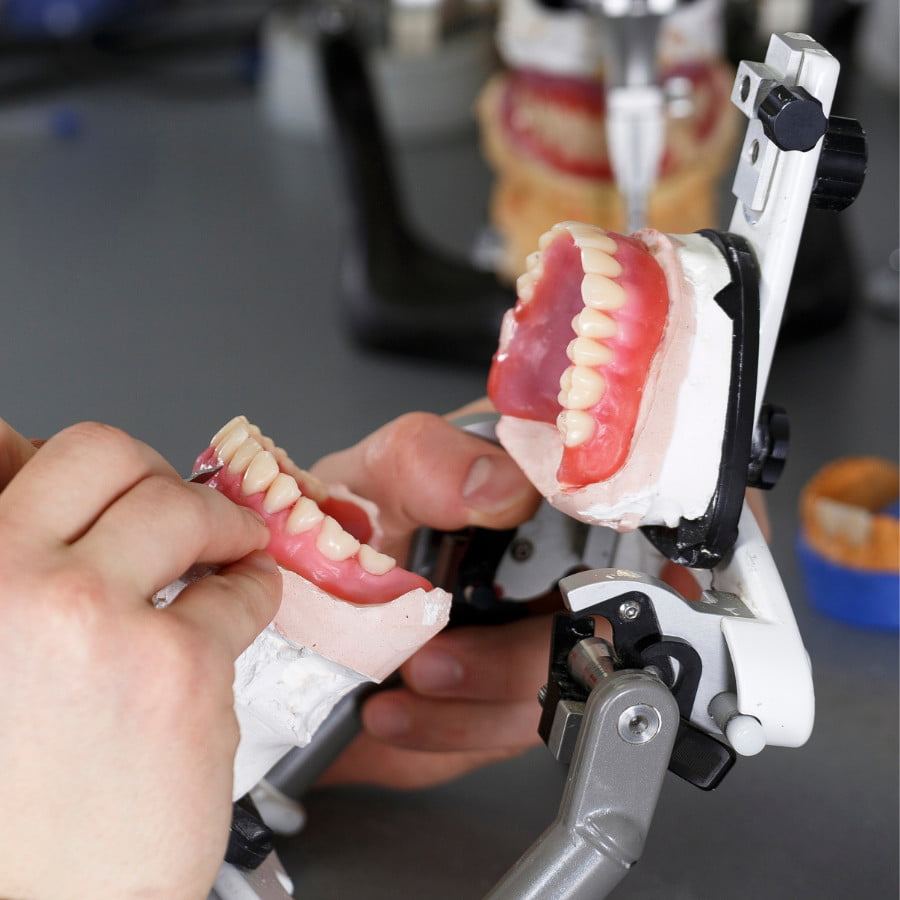
The loss of teeth can be a traumatic experience, often triggering a cascade of emotions from anxiety to grief. A groundbreaking study by the University of Sheffield has revealed the emotional rollercoaster patients endure while adapting to removable dentures, highlighting the importance of empathetic dental care and effective communication throughout the process.

Understanding the Emotional Journey


The study, a pioneering endeavor in the field, uncovered four distinct phases in the patient's journey with tooth loss and dentures:

  1. Tooth Loss: The initial phase is often marked by shock, sadness, and a sense of loss of identity.

  2. Emotional Tunnel: As patients enter the denture fitting process, they may experience a range of emotions, including embarrassment, shame, and fear, hindering their ability to fully engage with treatment.

  3. Prosthetic Hope: When patients try on their new dentures for the first time, a glimmer of hope emerges. The prospect of regaining their smile and functionality sparks excitement and optimism.

  4. Prosthetic Compromise: This final phase involves adapting to life with dentures, managing expectations, and learning new ways to eat and speak. Patients realize that dentures, while functional, require ongoing adjustments and care.


The Crucial Role of the Dental Team


The research underscored the critical role dentists and their teams play in guiding patients through this emotional journey. Empathetic communication, clear explanations, and ample time for questions foster trust and confidence, leading to a more positive experience for patients.

Researchers have developed tools like patient questionnaires and artistic representations of the denture journey to facilitate open communication between dentists and patients. These tools empower patients to express their concerns and expectations, leading to more personalized treatment plans and improved outcomes.

The Importance of Denture Quality: More Than Just Function


The study highlights that "The overall goal of removable denture treatment for patients is to avoid the disclosure of having lost teeth in the first place, as this loss is still associated with stigma. Therefore, ill-fitting, loose or painful dentures were regarded as a threat to disclosure." This underscores the fact that denture quality goes beyond mere functionality. A well-fitting, comfortable denture not only restores oral function but also plays a crucial role in maintaining a patient's self-esteem and social confidence.

The Importance of Ongoing Care


The study emphasizes the importance of ongoing care for denture patients. Regular check-ups, adjustments, and relines are essential to ensure optimal fit, function, and comfort.


Outsourcing: Reducing Dentist Stress, Enhancing Patient Care


Dentists are often tasked with providing comprehensive care, which includes addressing patients' emotional needs alongside clinical treatment. Outsourcing specific aspects of denture fabrication to a specialized laboratory can alleviate the workload, allowing dentists to devote more time and attention to patient care.

VCAD Dental Laboratory: Precision, Quality, and Timely Delivery


VCAD Dental Laboratory, a global leader in dental prosthetics, offers a solution that empowers dentists to prioritize patient care. Utilizing cutting-edge CAD/CAM technology and premium materials, VCAD Dental Laboratory delivers high-quality, precise dentures within a predictable timeframe. This allows dentists to streamline their workflows and ensure a positive experience for patients throughout the denture journey.

Benefits of Partnering with VCAD Dental Laboratory:


  • State-of-the-Art Technology: VCAD Dental Laboratory utilizes the latest digital dentistry tools and techniques to ensure accuracy, precision, and superior aesthetics in every restoration.

  • Experienced Technicians: A team of highly skilled technicians meticulously craft each denture, providing exceptional quality and craftsmanship.

  • Streamlined Workflow: VCAD Dental Laboratory's efficient processes and digital workflows ensure fast turnaround times without compromising quality.

  • Dedicated Support:VCAD Dental Laboratory provides comprehensive support to dentists throughout the entire process, from case planning to final delivery.


Ready to explore how VCAD Dental Laboratory can transform your practice and enhance patient care? Contact us today for a free trial sample and discover the power of partnering with a global leader in dental prosthetics.


Dentistry News 2025 - Two dental practices to close for software update


Manx Care temporarily closed Hillside Dental and the Community Dental Service on June 10th for a software upgrade, ensuring better patient care.


Manx Care Dental Practices Closing Temporarily for Software Upgrade


Acorrding to BBC, Manx Care, the healthcare provider on the Isle of Man, has announced a temporary one-day closure of two of its dental practices to facilitate the installation of a new software system. Hillside Dental Practice and the Community Dental Service was closed to patients on June 10th.

Software Upgrade and Staff Training


The closure is primarily aimed at providing staff with the necessary training on the new software system. This move underscores Manx Care's commitment to modernizing its operations and ensuring a smooth transition to updated technology.

Outsource to Stay Updated, Reduce Downtime, and Boost Profits


Dental laboratories and practices often face challenges with software upgrades, as evidenced by the temporary closure of Manx Care's practices. Outsourcing certain aspects of your operations, such as digital design or milling, can be a strategic solution. Here's why:

  • Access to Latest Technology: Outsourcing partners invest in the most up-to-date software and equipment, eliminating the need for your practice to allocate resources to costly upgrades.

  • Minimized Downtime: Upgrades can be seamlessly integrated into the outsourcing lab's workflow, reducing disruptions to your practice's operations.

  • Increased Efficiency: Outsourcing can streamline your workflow, allowing you to focus on patient care while experts handle technical aspects.


Cost Savings: By avoiding the expenses associated with software purchases, upgrades, and training, you can potentially improve your bottom line.

Previous IT Challenges

The Manx Care takeover of the Hillside practice faced previous delays due to IT issues, highlighting the complexities that healthcare providers can encounter with technology implementation.

Manx Care's decision to temporarily close its dental practices for a software upgrade showcases the importance of staying current with technology in the healthcare sector. By investing in modern software and considering outsourcing options, dental practices and labs can improve efficiency, enhance patient care, and potentially increase profitability.

VCAD Dental Laboratory - Outsourcing dental lab helps you update the latest technologies


VCAD Dental Laboratory, a leading innovator in the dental industry, is committed to providing quality restoration solutions for dentists and dental practices worldwide using the latest technologies. With a global network spanning over 200 partners in 20 countries, we boasts a track record of success in enhancing lab efficiency and reducing operating costs for its clients.  

Leveraging cutting-edge CAD/CAM technology and a team of skilled technicians, we ensures top-quality restorations and a streamlined outsourcing experience, allowing dental professionals to focus on what they do best – providing exceptional patient care.

Get our Free Trial here!

VCAD Outsourcing Dental Laboratory's Commitment:


  • We are committed to delivering exceptional product quality and aesthetic excellence.  

  • Our streamlined processes and efficient workflows ensure timely delivery and optimal productivity.  

  • We provide dedicated support and reliable partnership to help your business thrive.  


Elevate your practice or lab with VCAD's comprehensive dental solutions. VCAD Outsourcing Dental Laboratory: The Manufacturing Powerhouse Behind Your Dental Success

Contact us today to learn more!

Find more information on exclusive offer and to learn more about VCAD Outsourcing Dental Laboratory, please visit their website - https://vcadlab.com/  

Follow VCAD on social media for updates:

Linkedin: https://www.linkedin.com/in/vcad-digital-dental-cad-design-center-a0940a20b/ 

Instagram: https://www.instagram.com/vcad_digital_dental_design/?hl=en 

X: https://x.com/vcad_dentallab 

Contact Info:
Name: VCAD TRADING SERVICE JOINT STOCK COMPANY
Email: partner@vcaddental.com
Organization: VCAD Outsourcing Dental Laboratory
Address: 18D Cong Hoa Street, Ward 4, Tan Binh District, Ho Chi Minh City, Vietnam
Phone: (+84) 963870270
Website: https://vcadlab.com/  


#VCAD #DentalSolutions #DentalLab #CADCAM #DentalDesign #DentalRestoration #OEMDentalLab #DentalTechnology #Bestupperdenture #Bestlowerpartialdenture #Upperdenture #Lowerpartialdenture #Upperdentures #Lowerpartialdentures #Aestheticupperdenture #Aestheticlowerpartialdenture #High-qualityupperdenture #High-qualitylower partial denture #VCAD #DentalSolutions #DentalLabInUSA #DentalLabInEurope #DentalLabInAustralia
Outsourcing Dental Lab: Building a profitable and efficient dental lab depends on having the right number of skilled technicians. Understaffing can lead to delays and burnout, while overstaffing can strain your budget.

In this comprehensive guide, we will explore:

  • The complexities of dental lab staffing and how to calculate your ideal team size.

  • The qualifications and skills required for dental lab technicians.

  • The importance of teamwork in lab productivity and quality.

  • The costs associated with building an in-house team.

  • The advantages of outsourcing dental lab services and how it can address staffing challenges.


How Many Staff Does a Dental Lab Need?


Determining the ideal number of technicians for your dental lab is a crucial decision that directly impacts your efficiency, quality, and bottom line. While there's no one-size-fits-all answer, you can consider the following key factors:

Case Volume:


When planning your dental lab, the projected volume and complexity of dental restoration cases will play a significant role in determining the size and structure of your team.

  • High-Capacity Lab: If you plan to handle a large volume of diverse restoration cases, from crowns and bridges to implants, you'll need a large and versatile team of technicians. This ensures your lab has enough manpower to meet demand, maintain fast turnaround times, and ensure product quality.

  • Specialized Lab: If you focus on specialized services like full-mouth restorations, complex implants, or cosmetic dentistry, you might need a smaller team with highly specialized skills and extensive experience in their respective fields. Investing in training and professional development for these technicians is key to ensuring the quality and accuracy of your products.


Turnaround Time Expectations:


Turnaround time – the time from receiving a case to completing the product – is a crucial factor influencing customer satisfaction and your lab's reputation.

  • Fast Turnaround: If you aim to build a reputation for fast and reliable service, you'll need a sufficiently large team to handle restoration cases efficiently. This might involve clear task delegation, streamlined workflows, and the use of advanced technology to accelerate production.

  • Standard Turnaround: If you prioritize quality and accuracy over speed, you can build a smaller team. However, it's important to ensure you have enough staff to meet demand without overburdening any individual, ensuring product quality remains at the highest level.


By carefully considering the volume and complexity of restoration cases, as well as turnaround time expectations, you can build a team that aligns with your dental lab's goals and business strategies.

Types of Restorations and Technology:


When building your dental lab, deciding on the types of restorations you'll offer and the technology you'll use will directly impact the size and expertise of your team.

  • Diverse Restorations: If you plan to offer a wide range of restoration services, from crowns and bridges to implants and dentures, you'll need a team with diverse skills. This ensures you have the expertise to handle any type of restoration, meeting the needs of various clients.

  • Specialized Restorations: If you choose to focus on a specific type of restoration, such as implant restorations or cosmetic dentistry, you can build a smaller, more specialized team. This allows you to invest in training and development, ensuring the highest quality and precision for your products.

  • Advanced Technology: Investing in advanced technology like CAD/CAM (computer-aided design and manufacturing) systems can reduce the number of technicians needed. These systems automate many processes, minimizing human error and speeding up production. However, you'll still need skilled technicians to operate and maintain the equipment.

  • Traditional Methods: If you opt for traditional methods and techniques, you might need a larger team to ensure timely and quality work. These techniques often require more manual labor and can be more time-consuming than digital methods.


Quality Control Standards:


Product quality is paramount for any dental laboratory.

  • Stringent Standards: If you aim for the highest quality, you should establish rigorous quality control procedures. This might involve multiple inspections by different technicians, using precise measuring tools, and adhering to international standards. A larger team might be necessary to effectively implement these quality control processes.

  • Standard Practices: If you follow basic quality control standards, you might not need a large team. However, ensuring that all technicians are well-trained in these standards and committed to maintaining product quality is crucial.


Dental Lab Technician Requirements: The Foundation of Expertise


Recruiting and retaining top talent is essential. Look for the following qualifications:

  • Education: Dental technology programs, certificates, or diplomas demonstrate foundational knowledge. On-the-job training and apprenticeships also play a significant role.

  • Certifications: Certified Dental Technician (CDT) credentials are highly valued. Specialty certifications in areas like crown and bridge or ceramics indicate advanced expertise.

  • Experience: Seek experience relevant to your lab's specific offerings. Years of practice hone skills and problem-solving abilities.


Essential Skills: Manual dexterity, meticulous attention to detail, critical thinking, effective communication, and the ability to adapt to new technologies are crucial for success.


The Financial Realities of Building an In-House Team


Building and maintaining an in-house team involves substantial costs, directly impacting the profitability of your dental laboratory. These costs can be categorized into two main types: direct costs and indirect costs.

Direct Costs:


These are the most obvious and easily measurable expenses associated with hiring and maintaining a team of dental lab technicians. They include:

  • Salaries: The base pay for dental technicians, depends on their experience, qualifications, and position.

  • Benefits: Employer contributions to health insurance, dental insurance, life insurance, paid time off, sick leave, and other benefit programs.

  • Recruitment Fees: Costs associated with posting job ads, screening applicants, conducting interviews, and performing background checks.

  • Training Programs: Expenses for initial training of new employees, as well as ongoing training to enhance their skills and knowledge.

  • Continuing Education Expenses: Investments in workshops, conferences, and courses to ensure your technicians stay up-to-date with the latest advancements in dentistry.


Indirect Costs:


Indirect costs are less obvious but can significantly impact your lab's profitability. They include:

  • Lost Productivity Due to Understaffing: When your lab is understaffed, the workload can pile up, leading to delays, missed deadlines, and potential loss of clients.

  • Lost Productivity Due to Turnover: Replacing employees who leave is costly in terms of time and resources, as the lab must recruit, train, and integrate new staff members.

  • Quality Issues: Mistakes or poor-quality work can lead to costly remakes, causing financial losses and damaging the lab's reputation.

  • Management Overhead: Supervising, evaluating performance, and resolving conflicts within the team all require time and effort, which can increase indirect costs.


Understanding and managing both direct and indirect costs is crucial for maintaining the profitability of your dental lab. Labs may consider alternative solutions like outsourcing to mitigate some of these costs, especially when facing fluctuating demand or local talent shortages.

Outsourcing Dental Lab: A Strategic Solution for Staffing Challenges


Outsourcing dental lab work offers an attractive alternative:

  • Access to Global Talent: Tap into a vast network of skilled technicians worldwide, overcoming local shortages and expanding your capabilities.

  • Cost Efficiency: Lower labor costs in some regions, along with reduced overhead expenses for equipment and facilities, can significantly improve your bottom line.

  • Scalability and Flexibility: Quickly adjust your capacity to meet fluctuating demand without the long-term commitment of hiring full-time employees.

  • Focus on Core Business: Free up your internal resources to concentrate on patient care, practice growth, and marketing efforts.


VCAD Dental Laboratory - The Perfect Staffing Solution


With a team of over 200 technicians with more than 7 years of experience, VCAD Dental Laboratory is the perfect staffing solution for dental clinics and labs.

Outsourcing to a reputable dental lab like VCAD Dental Laboratory will provide you with a skilled team that delivers perfect restorations.

We are committed to product quality and fast turnaround times.

Experience our FREE TRIAL today to see the skills of our team!
Maintaining an in-house dental lab can be a significant financial burden for dental practices. The costs of equipment, materials, skilled labor, and ongoing maintenance can quickly add up, straining your budget and diverting resources from patient care. Fortunately, outsourcing your dental lab needs is a proven solution that offers numerous benefits, including cost savings, access to specialized expertise, and streamlined workflows.

In this comprehensive guide, we'll delve into the world of dental lab outsourcing, examining its advantages, cost considerations, and the essential factors to consider when selecting a reliable outsourcing partner.

What are dental lab supplies and equipment?


Dental labs play a crucial role in creating custom dental restorations and appliances. Skilled technicians utilize a wide range of supplies and equipment to fabricate crowns, bridges, dentures, implants, and more. While having an in-house lab may seem appealing, it's not always the most practical or cost-effective choice for every practice.

Dental lab supplies


Dental lab supplies encompass the materials used to create dental restorations. This includes:

  • Impression Materials: Alginate, silicone, polyether, and other materials used to create accurate molds of teeth and gums.

  • Gypsum Products: Plaster and stone used to create models from impressions.

  • Waxes: Used for creating patterns and models for crowns, bridges, and dentures.

  • Acrylic Resins: Used for denture bases, partials, and temporary restorations.

  • Metals: Alloys used for crowns, bridges, and partial dentures.

  • Porcelain: Used for veneers, crowns, and bridges.


You might interested in: Choosing the Right Material for Your Restorations – Zirconia vs.Metal

Dental lab equipment


Dental lab equipment includes the tools and machinery used in the fabrication process, such as:

  • Model Trimmers: For shaping and trimming dental models.

  • Articulators: To simulate jaw movement for proper restoration fit.

  • Furnaces: To fire porcelain and metal restorations.

  • Dental Lathes: For polishing and finishing restorations.

  • CAD/CAM Systems: For digital design and milling of restorations.


Quality standards for supplies and equipment


High-quality dental lab equipment is essential for producing precise, durable, and aesthetically pleasing restorations. But how do you know if the equipment a lab uses meets the necessary standards? Here's what to look for:

Certifications and Compliance:


  • ISO Standards: The International Organization for Standardization (ISO) sets globally recognized standards for various types of dental lab equipment. Look for equipment that complies with relevant ISO standards, such as:

    • ISO 13485: Medical devices – Quality management systems

    • ISO 22674: Dentistry – CAD/CAM milled ceramic restorations


  • Regulatory Compliance: Ensure the equipment complies with local regulations and safety standards in your region or country.

  • Manufacturer Certifications: Reputable manufacturers often have their own certifications or quality marks that indicate their equipment meets specific performance and safety criteria.


Key Equipment Considerations:


  • Accuracy and Precision: Equipment like milling machines, 3D printers, and articulators must be highly accurate to ensure precise fit and function of restorations.

  • Durability and Reliability: Dental lab equipment should be built to withstand the demands of daily use and have a long lifespan to minimize downtime and replacement costs.

  • Ease of Use and Maintenance: User-friendly interfaces and simple maintenance procedures can help ensure consistent and efficient operation.

  • Calibration and Validation: Regular calibration and validation of equipment are essential to maintain accuracy and ensure compliance with quality standards.


Additional Factors to Consider:


  • Technology: Modern dental labs often utilize advanced technologies like CAD/CAM systems, laser scanners, and 3D printers. Look for labs that invest in the latest technologies to offer the best possible results for your patients.

  • Maintenance and Service: Inquire about the lab's maintenance procedures and service contracts. A well-maintained machine is more likely to produce consistent and accurate results.

  • Training and Expertise: The lab technicians' skills and training are just as important as the equipment they use. Ensure the lab's staff is knowledgeable and experienced in operating the equipment properly.


The Importance of Quality Assurance


A reputable dental lab will have a comprehensive quality assurance program in place. This typically includes:

  • Equipment validation: Ensuring equipment is installed and operates according to manufacturer specifications.

  • Regular calibration and maintenance: Scheduling routine checks and maintenance to keep equipment in optimal condition.

  • Performance monitoring: Tracking equipment performance and identifying any potential issues early on.

  • Documentation: Maintaining detailed records of equipment maintenance, calibration, and performance for traceability and quality assurance purposes.


How much do supplies in dental lab cost?


While the allure of having complete control over the fabrication process may seem tempting, it's important to understand the true costs associated with running an in-house dental lab. These costs go far beyond the initial investment in supplies and equipment.

The Expenses: Equipment, Materials, and More


  • Equipment: Costs can range from thousands to tens of thousands of dollars for essential equipment like furnaces, articulators, and CAD/CAM systems.

  • Materials: Ongoing expenses for impression materials, gypsum, waxes, acrylics, metals, and porcelain.

  • Maintenance and Repairs: Regular upkeep and unexpected repairs for equipment.

  • Calibration and Testing: Ensuring equipment accuracy and compliance with standards.

  • Utilities: Increased electricity, water, and gas usage for lab operations.


Waste Disposal: Proper disposal of hazardous materials.


Hidden Costs: Maintenance, Training, and Lost Chair Time


Training and Education: Keeping technicians up-to-date on the latest techniques and technologies requires ongoing training and education.

Lost Chair Time: If your dentist spends time in the lab, it means less time treating patients, which can affect revenue.

Opportunity Cost: The space occupied by the lab could be utilized for additional treatment rooms or other revenue-generating activities.

Why outsourcing a dental lab can help with supplies and equipment?


Here's how outsourcing helps you save money on equipment and supplies, allowing you to allocate resources more effectively:

Equipment Savings:

  • Eliminate Upfront Costs: In-house labs require a substantial initial investment in a wide range of equipment, from furnaces and milling machines to articulators and 3D printers. Outsourcing eliminates this upfront cost, freeing up capital for other essential needs in your practice.

  • No More Maintenance Headaches: Dental lab equipment requires regular maintenance, repairs, and calibration to ensure accuracy and longevity. Outsourcing shifts these responsibilities to the lab, saving you both time and money.

  • Technology Upgrades Without the Investment: Dental technology is constantly evolving. Keeping up with the latest advancements can be expensive. Outsourced labs often invest in cutting-edge equipment, allowing you to access these technologies without the hefty price tag.


Supply Savings:

  • Bulk Purchasing Power: Dental labs purchase supplies in bulk, often at discounted rates. By outsourcing, you benefit from their bulk purchasing power, effectively lowering the cost of materials for your restorations.

  • Reduced Waste: In-house labs often have excess materials that expire or become obsolete. Outsourcing eliminates this waste, as you only pay for the materials used in your specific cases.

  • Inventory Management: Maintaining an inventory of dental supplies can be time-consuming and costly. Outsourcing eliminates this burden, as the lab handles all aspects of supply management.


Additional Cost Considerations:

  • Labor Costs: In-house labs require skilled technicians, whose salaries, benefits, and training expenses can add up quickly. Outsourcing eliminates these labor costs.

  • Space Savings: In-house labs occupy valuable space that could be used for additional treatment rooms or other revenue-generating purposes. Outsourcing frees up this space, potentially increasing your practice's earning potential.

  • Insurance and Liability: Operating an in-house lab may increase your insurance premiums and liability risks. Outsourcing transfers these responsibilities to the lab.


Choose VCAD Dental Laboratory for an affordable solution. 


At VCAD Dental Laboratory we are proud to provide leading dental laboratory services, providing effective solutions for clinics. Notable achievements include European partners experiencing significant revenue growth—from $500-700K to $2M—in a short period of 18 months. Furthermore, a US partner achieved an impressive 32% reduction in operating costs through our collaboration. That is a testament to our effective way of working.

VCAD Dental Laboratory uses modern equipment and premium materials to ensure the highest quality and durability of restorations. Our streamlined workflow and commitment to efficiency allow us to deliver fast restorations, helping you maintain a smooth and efficient practice.

Cooperate with VCAD Dental Laboratory today to get top-quality supplies and equipment while still ensuring cost issues for your dentistry.

Fill in this form to get a FREE TRIAL to experience our high-quality products.

REQUEST A TRIAL ORDER

Request Sample Case VCAD